
The complete guide
How To Choose And Fit A Bath Pop Up Plug
The slow sinking bath
You know the feeling. You run a deep bath, get in, settle down, and by the time you have read half a chapter the water is noticeably lower. You top it up with the hot tap. Ten minutes later you do it again. Eventually you give up and get out, slightly cold and slightly annoyed.
That is almost always the plug, not the plumbing. Bath plugs are consumable parts. The rubber that makes the seal goes hard, the spring in a push plug loses tension, and limescale builds on the seat where the two surfaces meet. None of it happens overnight, which is why people put up with a leaking bath for months before doing anything about it.
Replacing the plug is one of the cheapest fixes in a bathroom. There is no need to drain anything, lift anything or call anyone. If your waste hole is a standard size, the whole job is a two minute swap.
How a click clack plug actually works
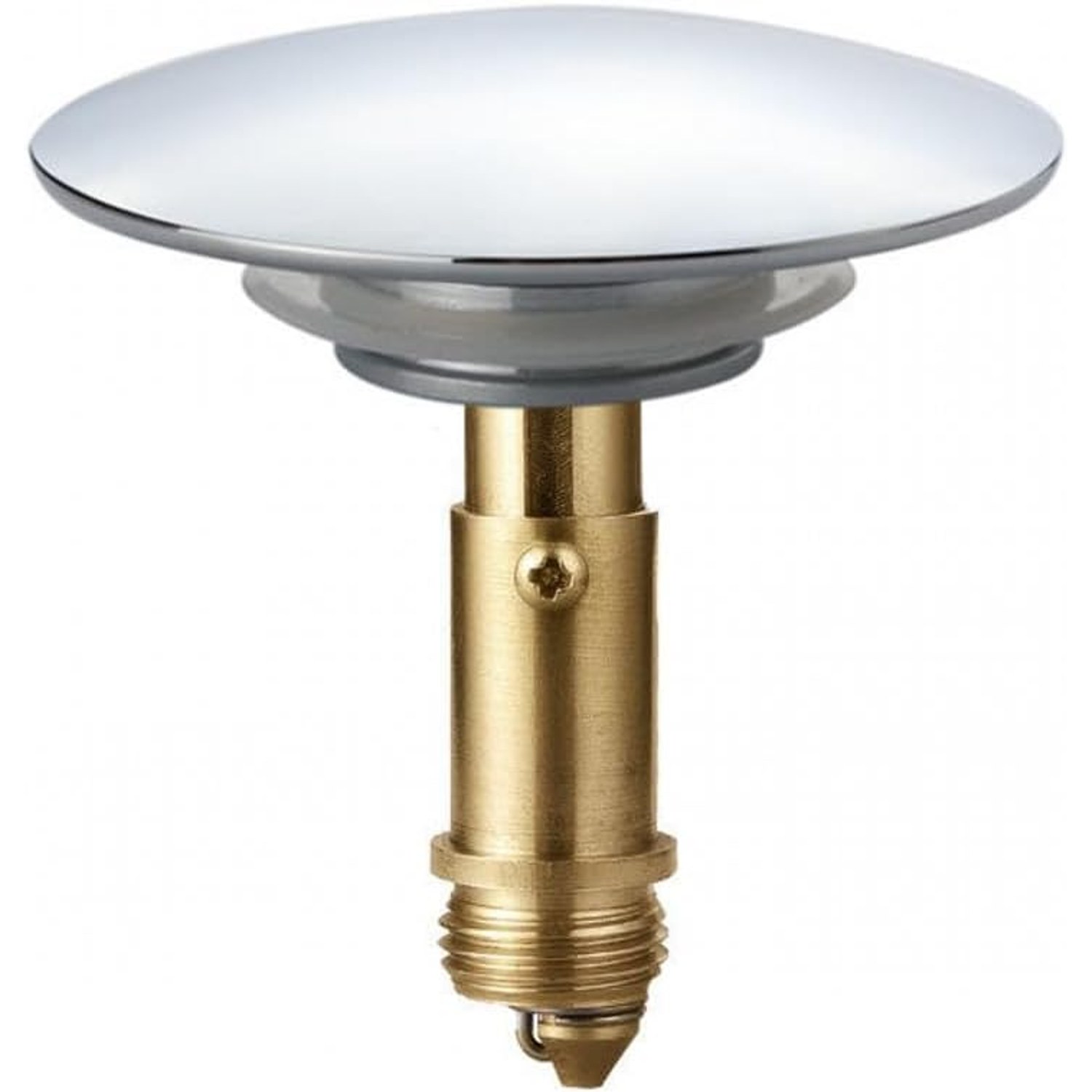
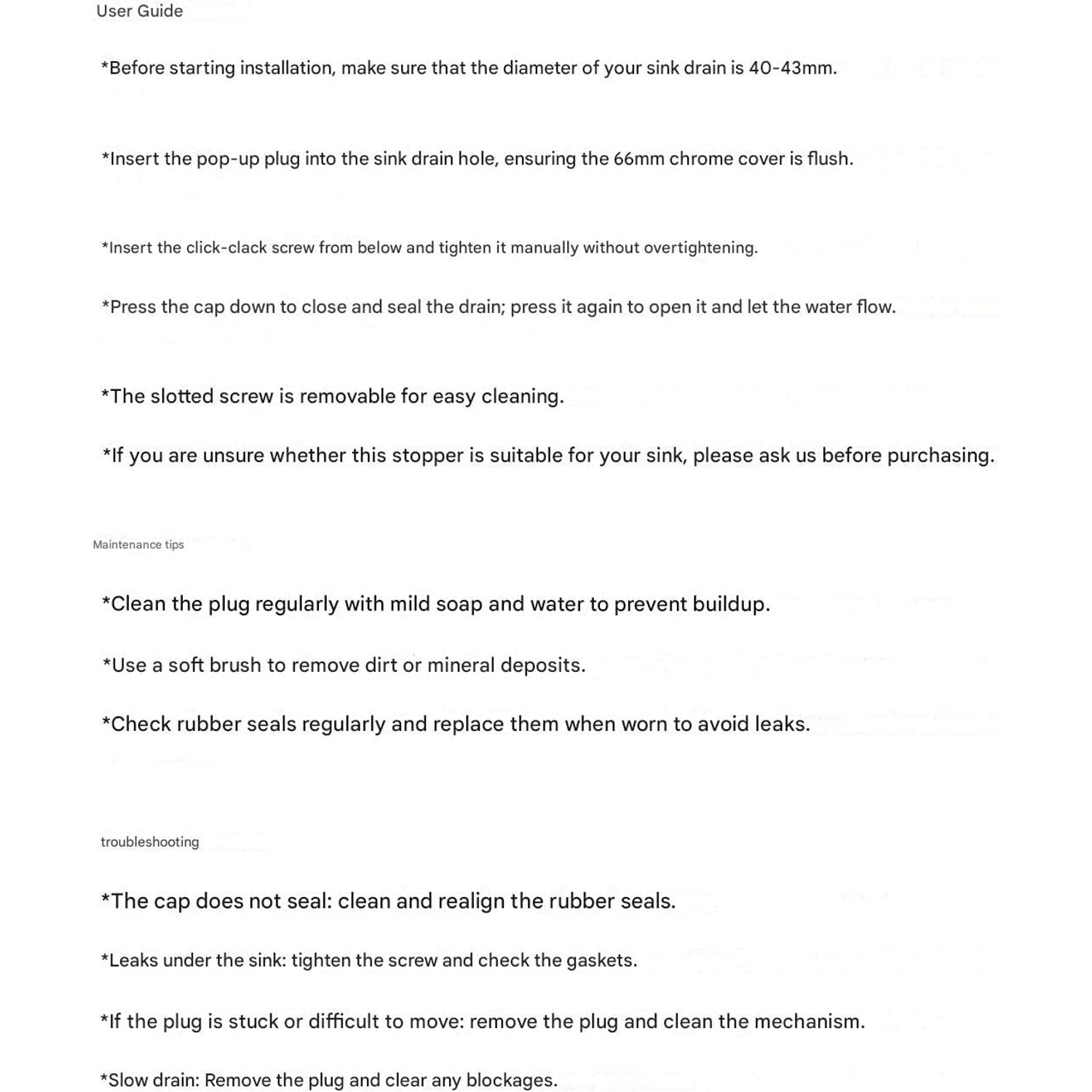
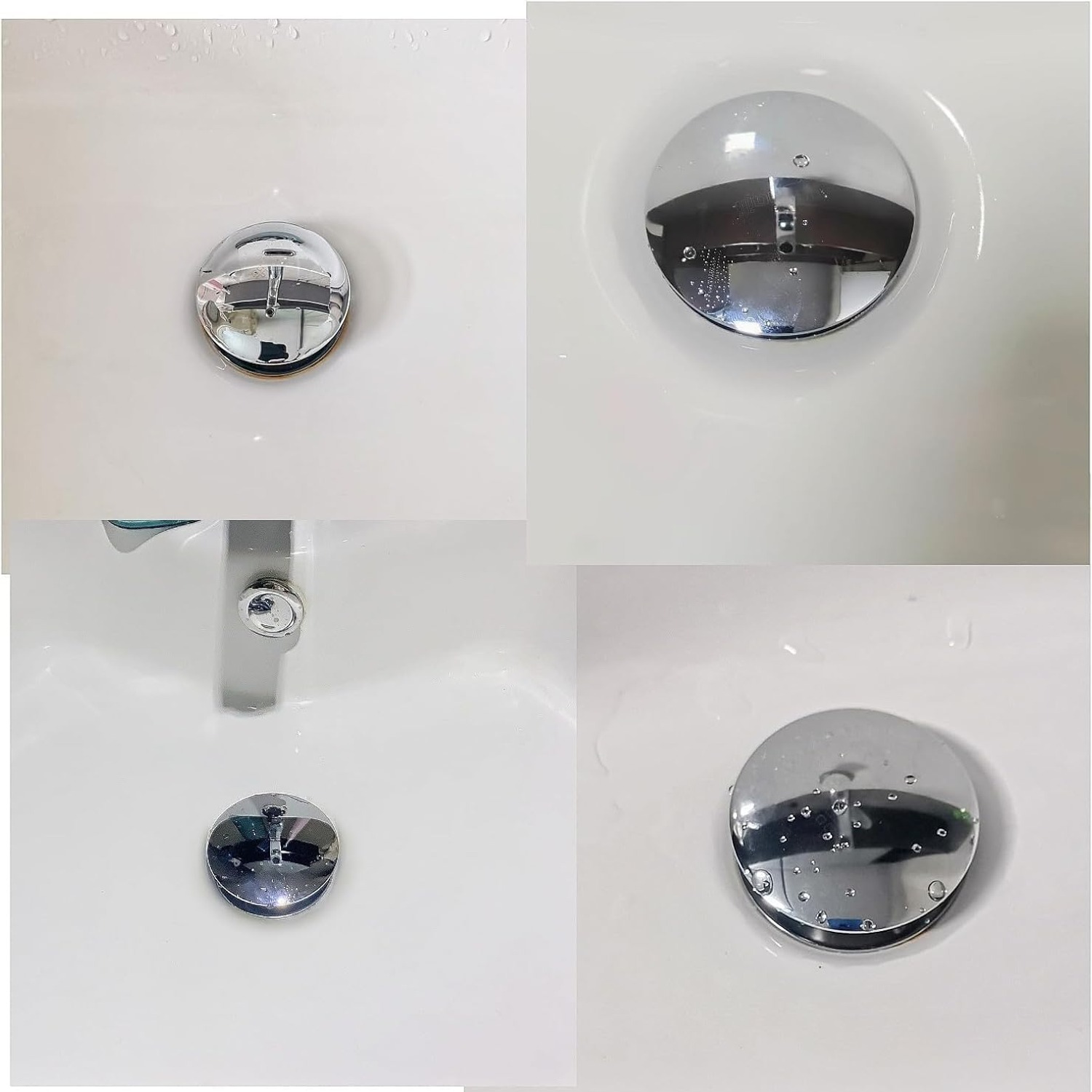
A click clack plug, sometimes called a sprung plug or pop up plug, has two parts. There is the visible chrome cover that sits over the drain, and there is a bolt underneath that screws down into the waste hole.
Inside that bolt is a spring and a latch. Press the cover and the latch catches, holding the plug down against a rubber seal. Press again and the latch lets go, the spring pushes the cover back up, and the water drains around the edges.
The quality of the plug comes down to two things. First, what the sprung core is made of. On this model it is solid brass, which keeps its spring strength far better than thin pressed metal and does not corrode. Second, the sealing rings. Rubber rings sit between the plug and the waste, and they are what turns "mostly closed" into "actually watertight".
That is the whole mechanism. There is no chain, no lever, no linkage running to an overflow. Fewer moving parts means fewer things to go wrong.
Who this plug suits
This is a replacement part, so the people who buy it fall into a few groups.
The most common is someone with an existing push plug that has stopped sealing or stopped latching. If yours sinks under the water and will not pop back up, or it pops up when you do not want it to, the internals have worn and a new unit sorts it.
Next are people who have just moved into a place where the plug is simply missing. Previous owners take the strangest things. A screw in plug is better than a loose bung here, because it cannot wander off again.
Then there are people switching from a chain and bung setup, as long as their bath has a waste hole that suits a threaded plug. The look is cleaner and nothing dangles over the edge of the bath.
Finally, there are people who want a spare in the cupboard. Plugs fail at awkward times, usually when guests are due.
Getting the sizes right
This is the part worth slowing down for, because it is where nearly every mistake happens.
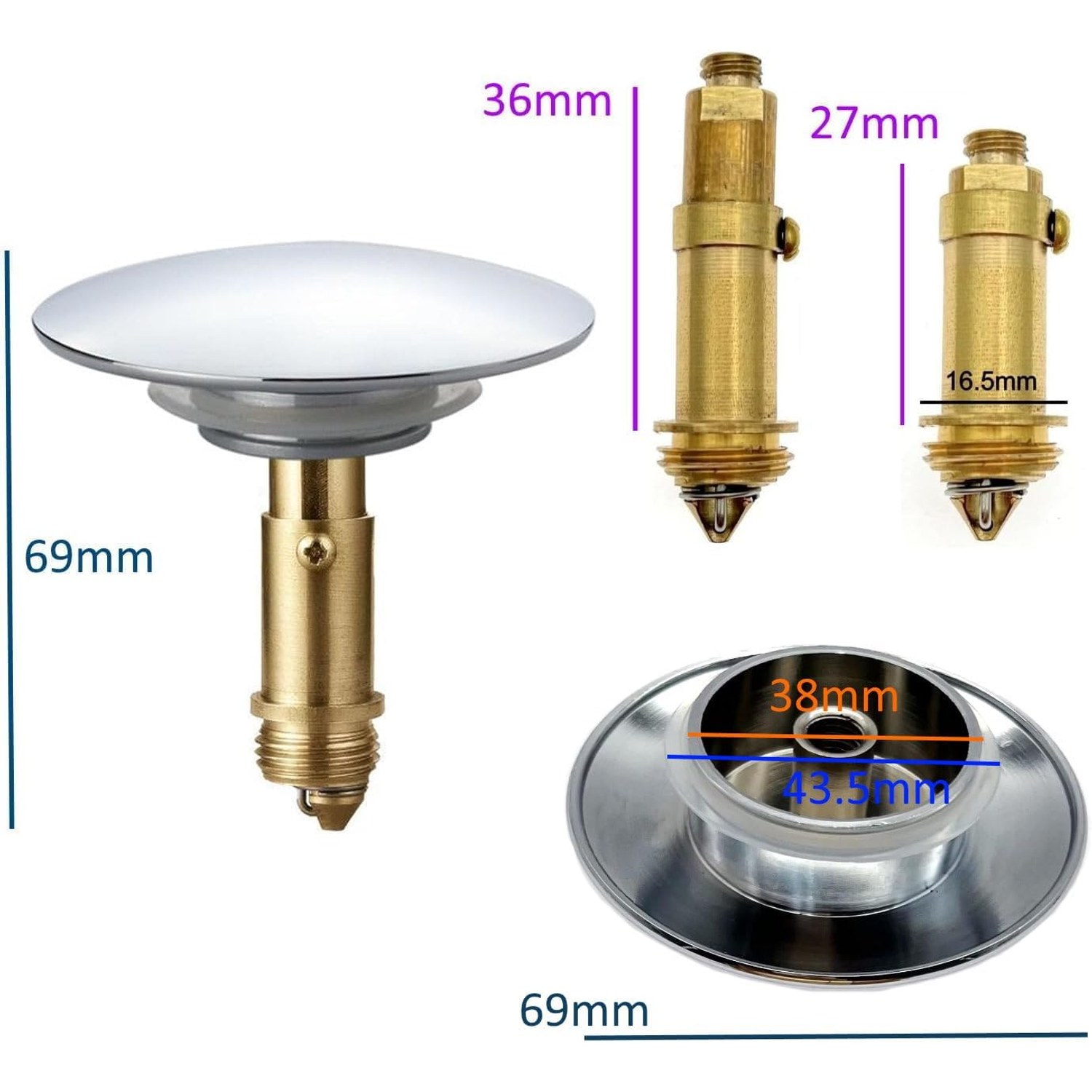
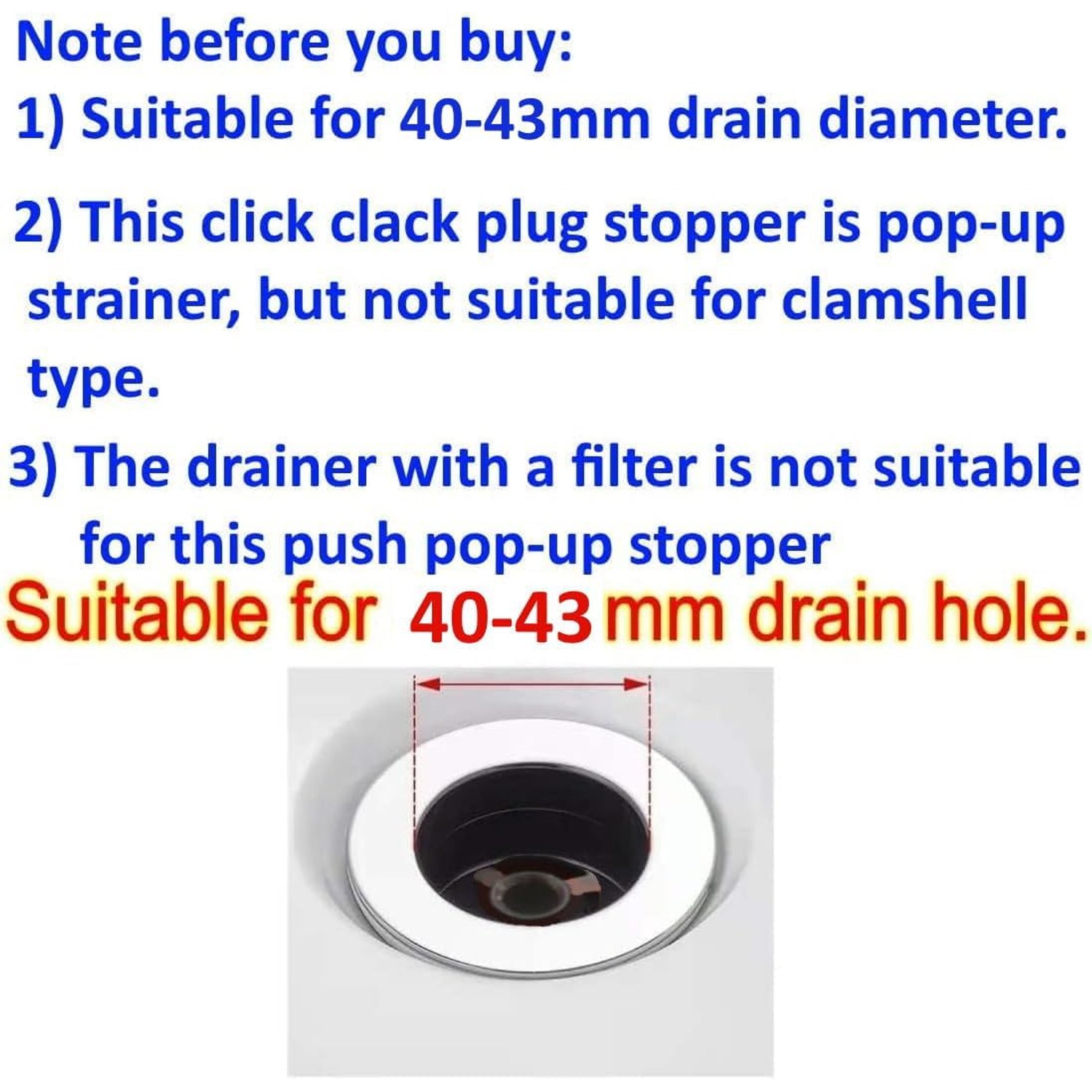
There are two measurements, and they are not the same thing. The cover on this plug is 69mm across. That is the visible disc that sits on top of the drain. The waste hole it threads into is a standard 43mm. People sometimes measure the big one, see 69, and assume their 40 something millimetre hole is wrong. It is not, those are different parts.
To check yours, lift out the existing plug if it comes out, and measure straight across the opening in the bath where the waste fitting sits. That opening is the figure that needs to be around 43mm. Then have a look at how much flat surface there is around that opening, because the 69mm cover needs somewhere sensible to rest.
Bath wastes are more varied than they look, especially on older baths and imported suites. If your measurement comes back noticeably different, a 43mm plug is not going to thread in and forcing it will damage the waste. Measure once, order once.
Fitting it
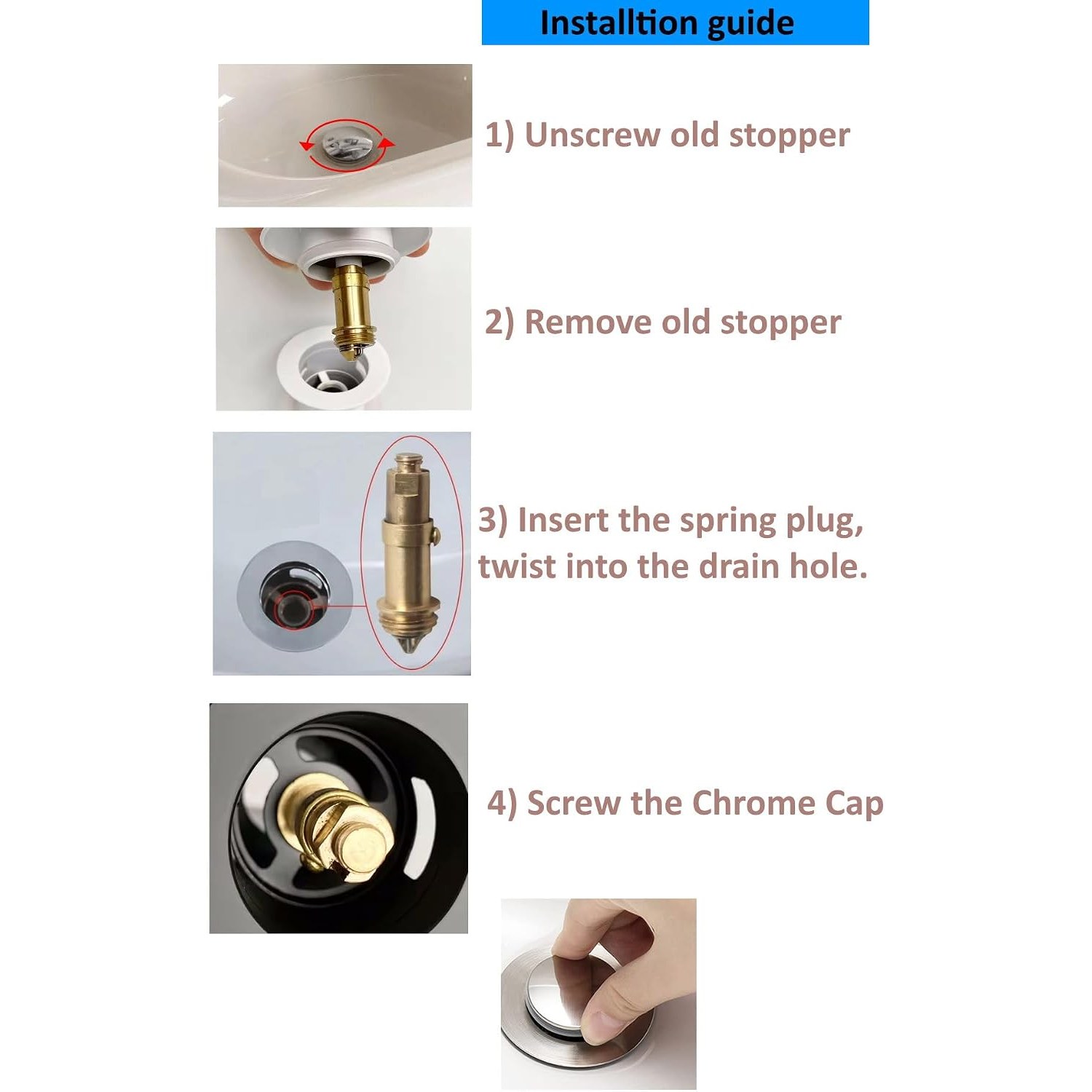
Start by cleaning the waste seat. This matters more than people think, because old soap film and limescale stop the new rubber seal from sitting flat. An old toothbrush, a bit of mild cleaner and a rinse is enough. Dry it afterwards.
Remove the old plug. Most screw out anticlockwise. If it has been in a long time it may need a firm grip and a cloth for purchase. If there are broken bits of the old bolt left in the waste, pick them out before going further.
Drop the new bolt into the hole and start threading it clockwise by hand. It should turn easily. If it binds straight away, stop, back it off and check you have it straight. Cross threading a waste is a bad afternoon.
Tighten it hand snug. You are not trying to crush anything, you are just making sure the seal ring is in solid contact. Then test it. Run a few inches of water, press the plug down and leave it for ten minutes. If the level holds, you are done. If it drops, take it out, clean the seat again and refit.
Keeping it working
A pop up plug lives in the one place in your house where hair and soap collect. That is not a design flaw, it is just physics, and it means a little cleaning keeps it smooth.
Every few weeks, unscrew the top of the plug. The bolt set on this one is designed to come apart, which is exactly why it is worth doing. Pull off the hair that has wrapped around the shaft, rinse everything, and put it back. The action should feel crisp again.
For the chrome itself, a damp soft cloth and a dry buff is the right approach. Avoid bleach, scouring powder and abrasive pads. They will dull the plating and, over enough time, harden the rubber seals. If you live somewhere with hard water, an occasional mild descaler on the seat makes a visible difference to how reliably the plug latches.
If the plug ever starts sticking, resist the urge to force it. Sticking almost always means debris, not failure. Clean it first.
Common problems and what they mean
If the plug will not stay down, check it is screwed fully home and the seat is clean. A loose bolt lets the whole assembly shift when you press it.
If it stays down but water still seeps away, the seal ring is either not seated flat or the waste seat itself is pitted. The first is fixable in a minute. The second is a bath problem, not a plug problem.
If the plug pops up on its own, the latch is usually fouled with hair. Take it apart.
If it rattles, the bolt has worked a little loose. Hand tighten it again.
The short version
A bath that will not hold water is nearly always a worn plug, and a worn plug is a cheap part. This one is a 69mm chrome plated cover over a solid brass sprung core, with rubber seal rings doing the watertight work, sized for a standard 43mm bath waste hole.
Measure your waste hole before you order. Clean the seat before you fit it. Take it apart for a rinse every few weeks. Do those three things and you get your deep bath back, with no plumber, no chain, and no topping up the hot tap halfway through.