Drains Company
Company
Shop By Category
T&Cs
Shop Online
  • Size, material and fit listed
  • Free tracked delivery across Ireland over €120
  • 14-day returns

Double Ended Drain Brush 170cm | Flexible pipe cleaning brush | hose and drain cleaner

Double Ended Drain Brush 170cm

€18.99
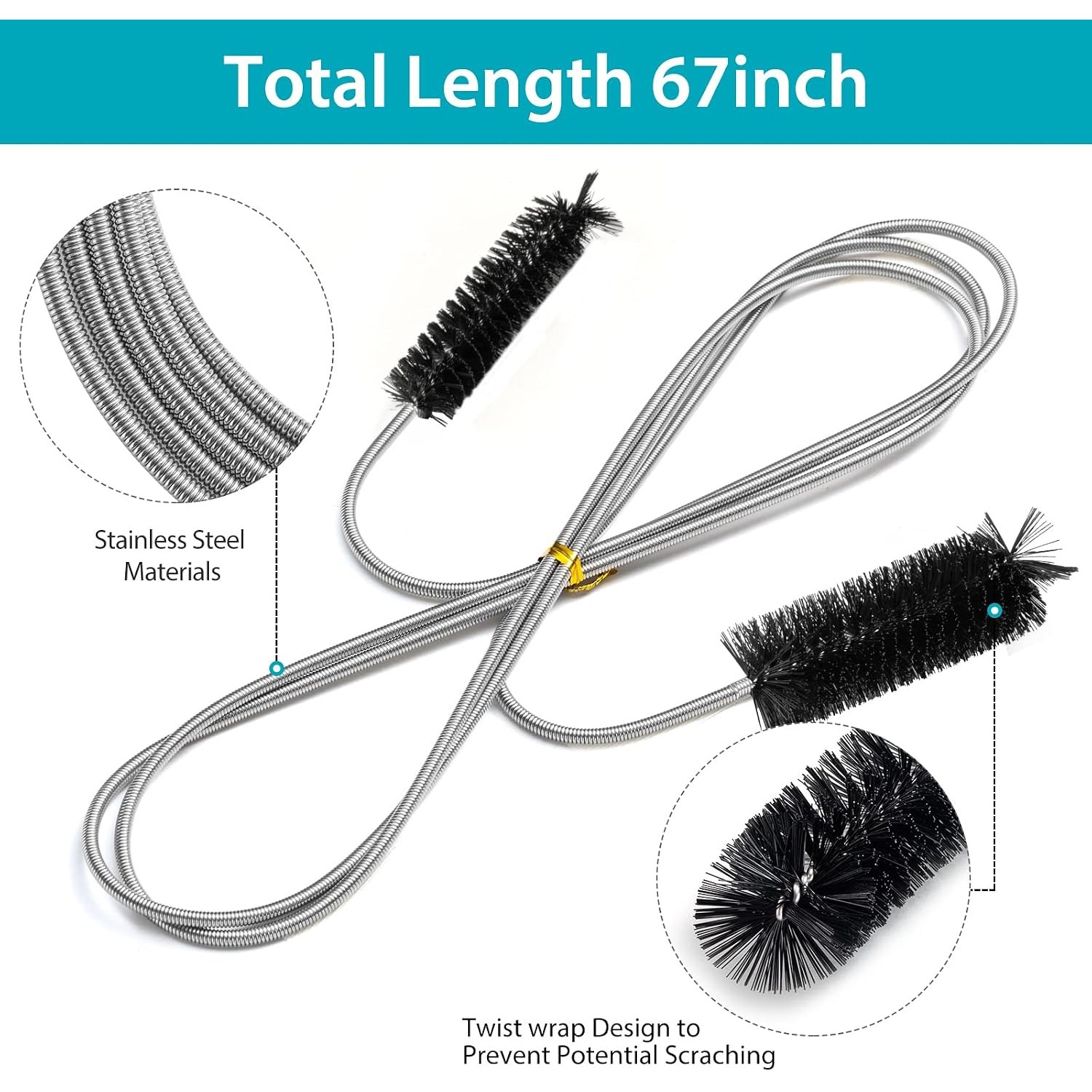
  • 170cm Reach
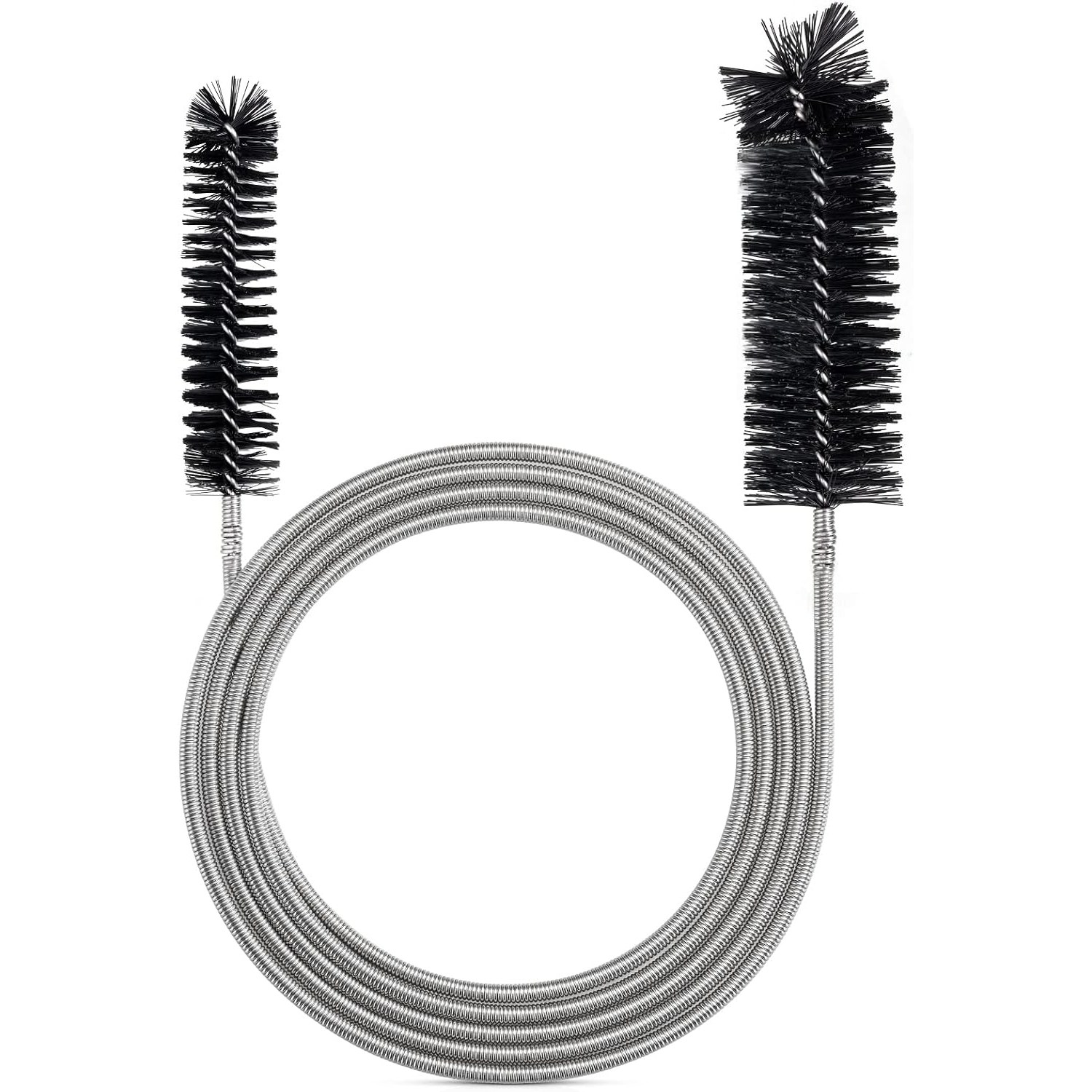
  • Two Bristle Heads
  • Flexes Round Curves
  • No Chemicals Needed

Price: €18.99

  • Free tracked delivery across Ireland on orders €120+, otherwise a flat €15
  • Pay by card or PayPal, handled by the payment provider
  • 14 days to change your mind, plus your statutory rights
Product specifications
TypeFlexible double ended drain and pipe brush
Overall Length170 cm
Bristle Heads2, one at each end
Bristle MaterialNylon
ShaftStainless steel spring
Bends It SuitsLess than 90 degrees, according to the maker
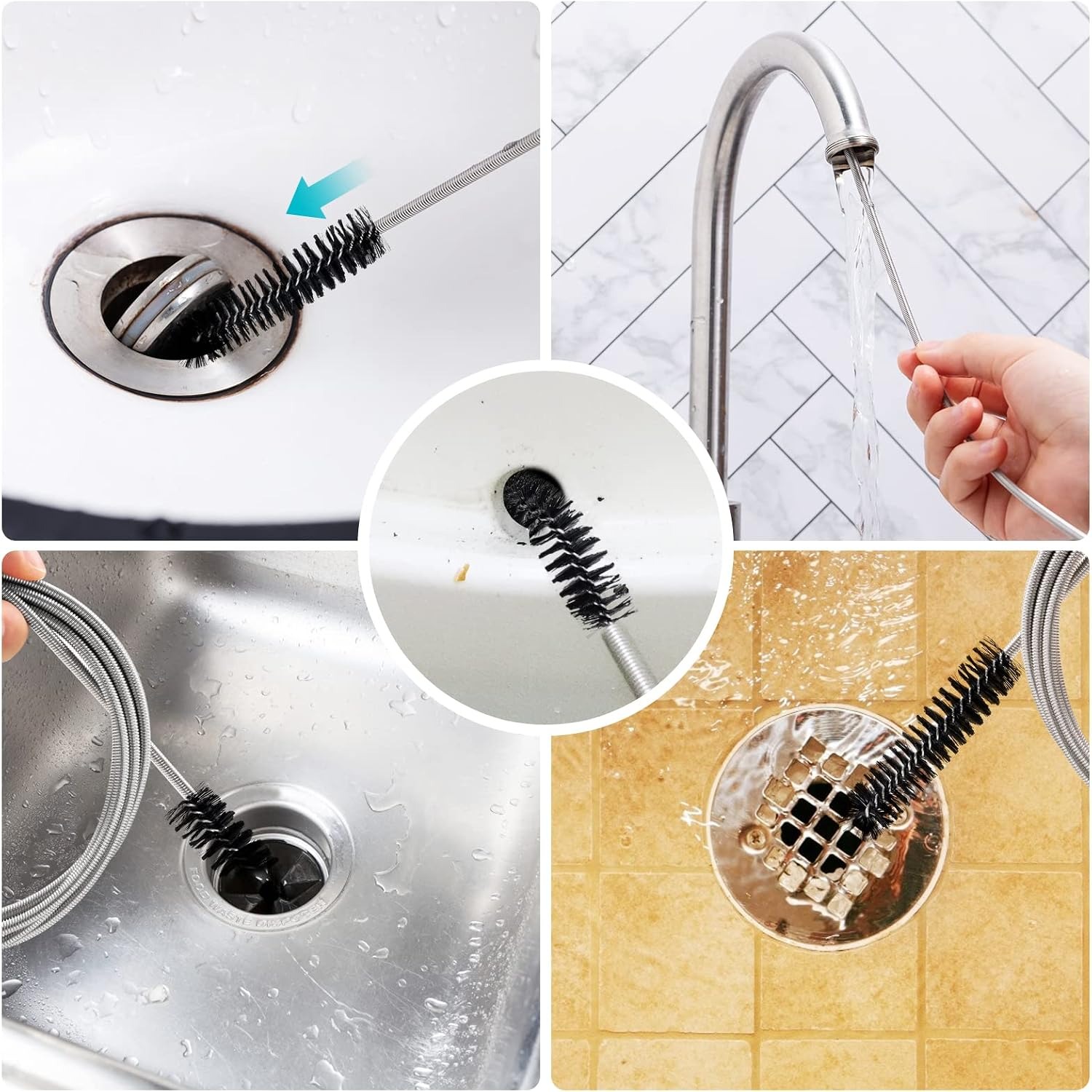
Uses Listed By The MakerPipes, hoses and drains
Weight0.09 kg
Colour Listed By The MakerBlack
Bristle Head DiameterNot stated by the maker
Quantity1 brush
Weight0.09 kg
Shipping & returns

Tracked delivery anywhere in Ireland. It is free on orders of €120 or more, and a flat €15 below that. Most orders arrive within 4 to 8 working days.

Under the Consumer Rights Act 2022 you have 14 days from delivery to cancel for any reason, and a further 14 days to send it back. You may handle the item as you would in a shop. We refund the price you paid, including standard delivery, though we may reduce the refund if it has been used beyond that. You cover the cost of returning it unless the item is faulty.

If it arrives faulty, damaged or not as described, we put it right at no cost to you under the Consumer Rights Act 2022 and the EU Sale of Goods Directive 2019/771, return postage included.

Shipping details · Refunds and returns

170cm ReachLong enough to work well past the plughole and along the pipe behind it.
Two Bristle HeadsA nylon bristle head at each end of the shaft.
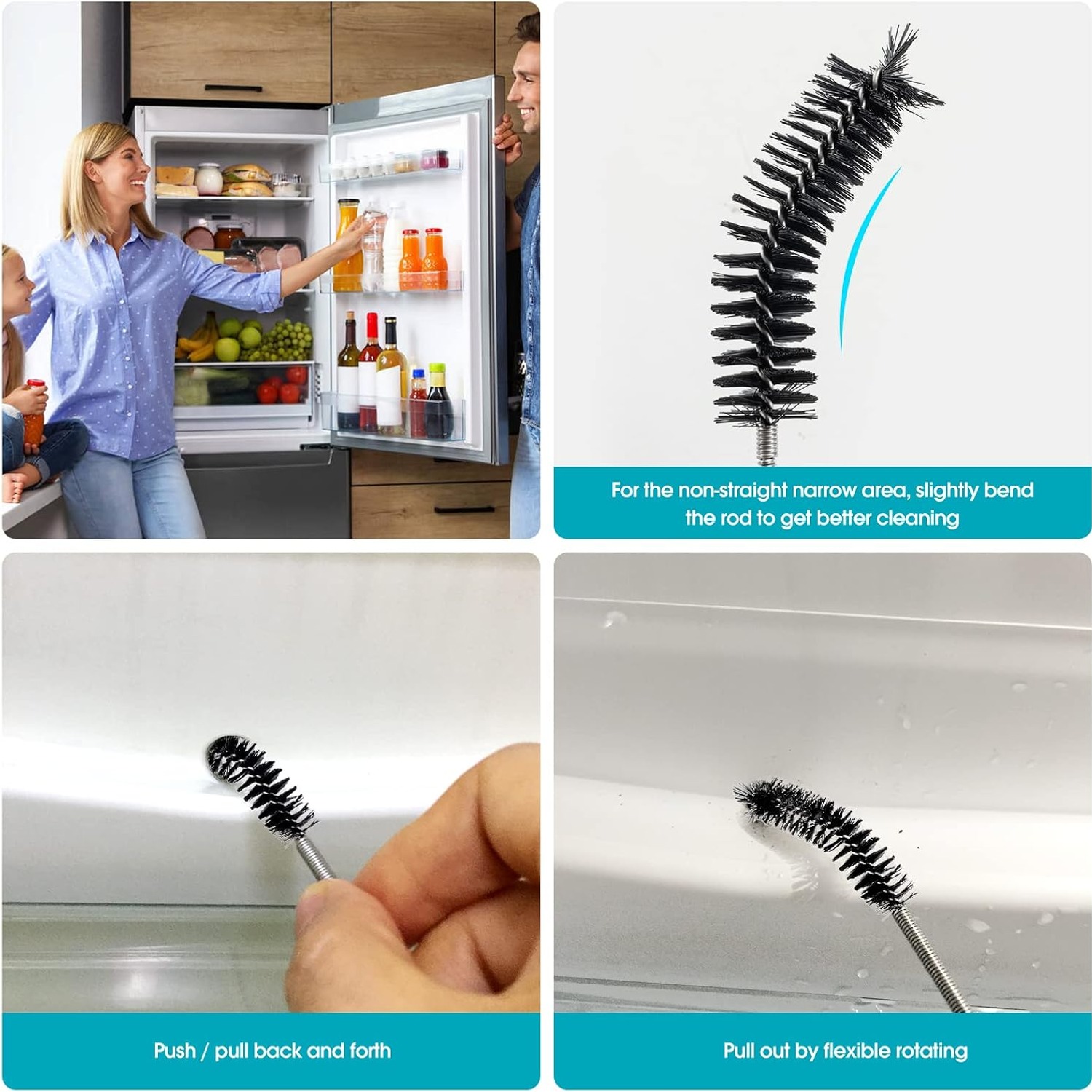
Flexes Round CurvesThe maker says it suits curved pipes with bends of less than 90 degrees.
No Chemicals NeededHot water, washing-up liquid and a scrub do the work.

Scrub the inside of a slow, smelly waste pipe with a flexible pipe cleaning brush that reaches 170cm.

A stainless steel spring shaft with a nylon bristle head at each end bends through gentle curves to clean pipes, hoses and household drains by hand.

A 170cm double ended drain brush for scrubbing the film of soap, grease and slime off the inside of pipes and hoses.

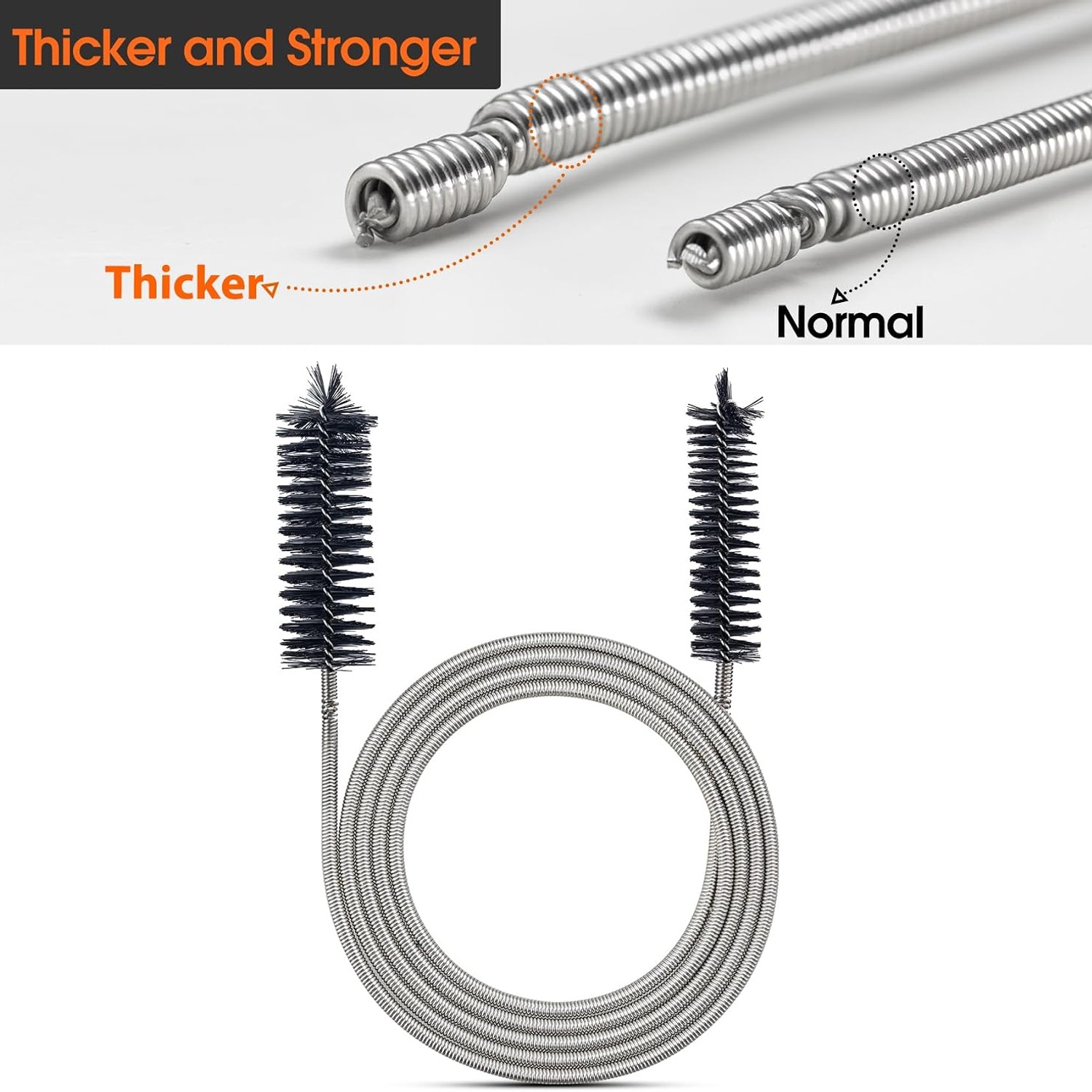
The shaft is a stainless steel spring, which the maker describes as an extra thick version, so it bends without snapping back at you.

Each end carries a nylon bristle head, so there is a second head ready when the first is clogged.

The maker says it works in curved pipes and tubes with bends of less than 90 degrees, and lists pipes, hoses and drains as its uses.

At 0.09 kg it rinses clean under the tap and coils up in a drawer or hangs on a hook.

Double Ended Drain Brush 170cm

Not every slow drain is blocked. Often the pipe is simply coated. Soap, toothpaste, hair product and kitchen grease leave a layer on the inside wall, and that layer narrows the pipe and starts to smell. Nothing is jammed in there, so a plunger does little. What the pipe needs is a scrub.

Double Ended Drain Brush 170cm

This brush is built for that job. It is 170cm long from tip to tip, with a spring shaft made from stainless steel and a head of nylon bristles at each end. The maker describes the spring as an extra thick, stronger version. You feed one head into the pipe or hose, push and pull, and the bristles wipe the wall as they go.

Double Ended Drain Brush 170cm

Because the shaft is a spring, it bends. The maker says the brush suits curved pipes and tubes with bends of less than 90 degrees. That covers gentle sweeps and angled runs. A tight U-bend under a basin is a much sharper turn, so plan on unscrewing the trap and cleaning that part by hand.

Double Ended Drain Brush 170cm

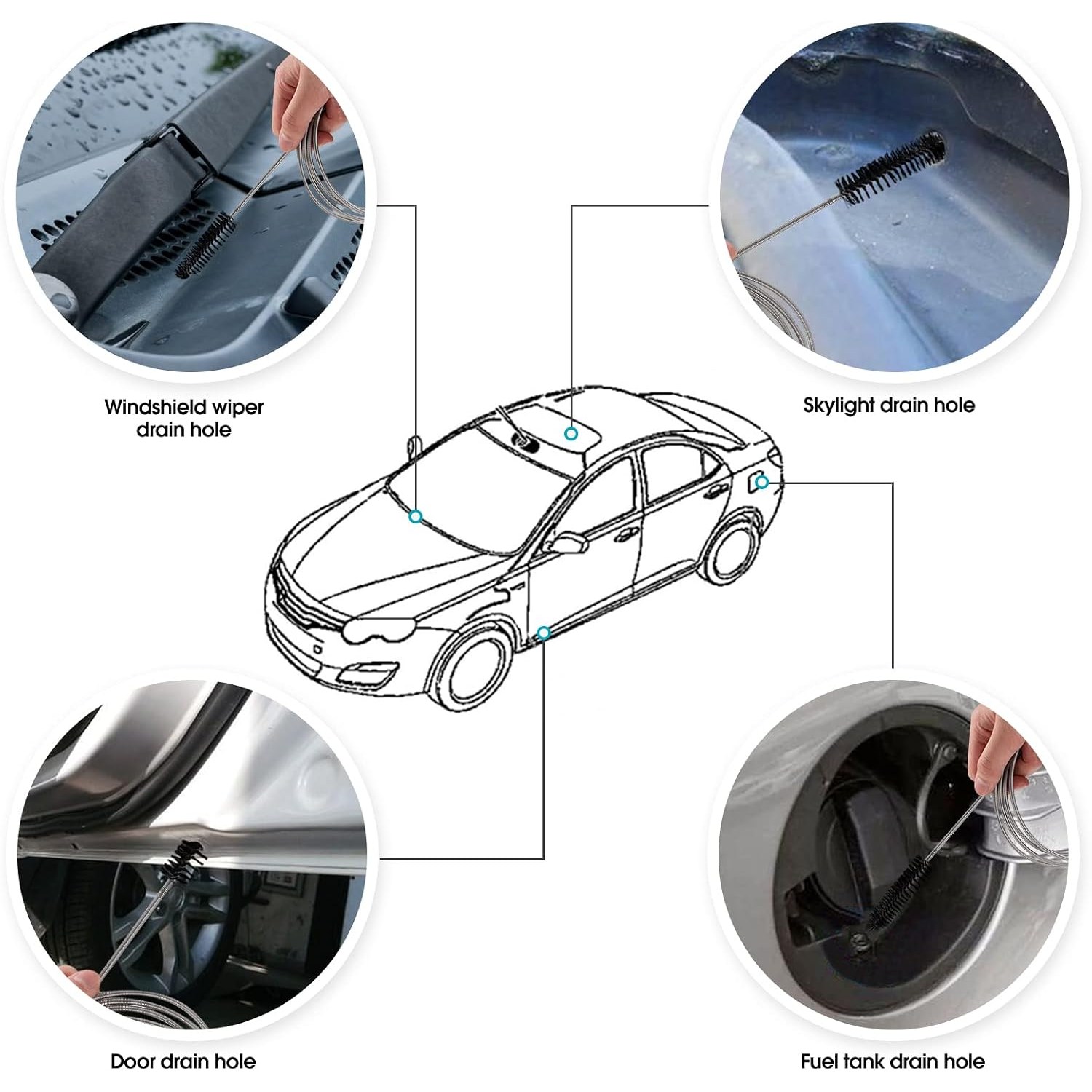
The maker lists pipes, hoses and drains as its uses. In a house that tends to mean basin and shower wastes, overflow channels and lengths of flexible hose. The diameter of the bristle heads is not stated by the maker, so we cannot confirm a fit for a particular narrow tube.

Double Ended Drain Brush 170cm

It weighs 0.09 kg and needs nothing but hot water and a squirt of washing-up liquid. Rinse it, hang it up to dry and it is ready for the next round. It is a cleaning tool, not a blockage tool. If the pipe is fully blocked, clear it first and brush it afterwards.

Not sure yet? That is fine.

A drain part has to fit the drain you have, and you cannot always judge that from a photograph. Under the Consumer Rights Act 2022 you have 14 days from delivery to cancel for any reason, and a further 14 days to send it back. You can handle it as you would in a shop to check the fit. We refund the price you paid, including standard delivery, though we may reduce the refund if the item has been used beyond that.

If it turns up faulty, damaged or not as described, that is on us. The Consumer Rights Act 2022 and the EU Sale of Goods Directive 2019/771 cover you, and we pay the return postage. Read the full detail on our refunds and returns page, or ask us anything before you order.

Frequently Asked Questions

What is a double ended drain brush?

It is a long, bendy brush for cleaning the inside of pipes and hoses. This one has a spring shaft with a head of nylon bristles at each end. You push it into the pipe and work it back and forth so the bristles scrub the wall.

How long is it?

The maker gives the total length as 170cm, measured across both heads. That is far more reach than a bottle brush or a short sink drain brush, and enough to get well past the plughole in most basins and showers.

Why does it have a head at each end?

A second head means you can keep working when the first is clogged with residue, or keep one end for dirtier jobs. The maker does not say whether the two heads are the same size. Check both when it arrives and decide which suits which pipe.

What are the bristles made of?

Nylon. Nylon bristles are softer than wire ones, so they scrub without the scraping you get from a steel brush.

What is the shaft made of?

The maker says it is built with stainless steel, in the form of a spring. The maker also describes this as an extra thick, stronger spring version. The coil is what lets it bend.

How wide are the bristle heads?

The diameter of the heads is not stated by the maker. If you need a brush for a specific narrow tube, we cannot confirm it will fit. It is described for pipes, hoses and household drains in general.

How heavy is it?

It weighs 0.09 kg, which is 90 grams. You will hardly feel the weight. The effort is in pushing it along the pipe.

What colour is it?

The maker lists the colour as black but does not say which part that refers to. Treat the photos as a guide.

How many brushes do I get?

One brush, with two bristle heads. It is a single item, not a set.

What can I clean with it?

The maker lists pipes, hoses and drains. Around the house that usually means basin, bath and shower wastes and lengths of flexible hose. It works as a hose and drain cleaner wherever the head fits and the bends are gentle.

Will it go round bends?

The maker says it suits curved pipes and tubes with bends of less than 90 degrees. Gentle sweeps and angled joints are within that. A sharp right angle or tighter may stop it, and forcing it will kink the spring.

Will it go through the U-bend under my sink?

Probably not, and you should not force it. A trap is a much tighter turn than the bends the maker describes. Unscrew the trap over a basin, wash it out by hand, then use the brush on the straight pipe above and beyond it.

Will it clear a blocked drain?

It is a brush, so it is for cleaning and not for breaking through a solid plug. For a full blockage use a plunger or a drain snake first. Once water is flowing again, a flexible drain brush is a good way to scrub off what is left on the pipe wall.

How do I use it?

Run hot water for a minute, add a little washing-up liquid, then feed one head into the pipe. Push it in a short way, pull it back, and go a little deeper each time. Rinse the head when it is dirty and finish by running hot water through the pipe.

Should I twist it as I push?

A gentle twist helps the bristles reach all round the pipe wall. Keep the movement slow. If the brush stops, pull back a little and try again at a slightly different angle. Do not ram it.

Can I use it in a toilet?

It is not the tool for a toilet. The pan outlet is much wider than a waste pipe and the bend is tight. Use a toilet brush for cleaning and a toilet plunger for a blockage.

Can I use it on a washing machine or dishwasher hose?

The maker lists hoses among its uses. The head diameter is not stated, so check it against your hose before pushing it in. Switch the appliance off at the socket and disconnect the hose first, with a towel and a bowl ready for the water left inside.

Is it safe for plastic waste pipes?

Nylon bristles are gentle on plastic. The shaft is steel, though, so the risk comes from forcing it. Use light pressure and stop if it meets something that will not give.

Should I use it with a chemical drain cleaner?

No. We do not recommend chemical drain cleaners. Working a brush in a pipe that holds one can flick it onto your skin or into your eyes. Hot water and washing-up liquid are all this job needs.

My drain smells. Will this help?

Often, yes. A lot of drain smell comes from the slimy layer that builds up in the first stretch of pipe below the plughole, and a sink drain brush removes it. If the smell stays after a proper clean, the cause may be a dry trap or a venting fault, which is one for a plumber.

How often should I use it?

For a bathroom basin or shower that sees daily use, every month or two keeps the film from building up. Kitchen wastes that take a lot of grease may want it more often. Use it whenever a drain starts to slow or smell.

How do I clean the brush itself?

Hold each head under hot running water and work the bristles with a gloved hand. Wash with washing-up liquid, rinse and shake off the water. Wipe the shaft down with a cloth.

How should I store it?

Let it dry first. Then hang it from a hook or coil it loosely in a drawer or bucket. Do not wind it tightly or fold it, as that puts a set in the spring.

Will it rust?

The maker says it is made with stainless steel, which resists rust far better than plain steel. It still pays to rinse and dry it after every use, because dirt left on any metal will mark it over time.

Can the spring kink?

Yes, if it is forced into a bend that is too tight or pushed hard against a stop. A kinked spring does not travel well afterwards. Slow, light strokes avoid the problem.

Can I cut it shorter?

No. There is a bristle head at each end, so cutting it would leave a sharp spring end and one head fewer. If 170cm is more than you need, just use the first part of it and let the remainder trail behind you.

Is it long enough for an outside drain?

The length may reach, but outside gullies and underground pipes are much wider than a household waste pipe. The bristle heads will not fill them, so they will not scrub the walls. This is a brush for indoor wastes and hoses.

Who is it most useful for?

Anyone with a basin or shower that slows down every few months, and anyone who would sooner scrub a pipe than pour something into it. It is also handy in rentals and holiday homes, where drains go unused and start to smell.

How is it delivered?

Delivery is tracked within Ireland. Please see our Shipping page for the current details.

What if it is not right for me?

You have a 14-day right to cancel after delivery. Our Refunds & Returns page sets out how to send it back. As it is a drain tool, please return it unused.

How To Choose And Use A Long Drain Cleaning Brush

6 min read Drains Company

The slow drain that is not really blocked

There is a kind of drain problem that never becomes an emergency. The basin empties, but slowly. The shower tray holds a centimetre of water until you have finished. And there is a smell near the plughole that no amount of bleach on the surface seems to shift.

Nothing is stuck in the pipe. The pipe is dirty. Every day it carries soap, toothpaste, shaving foam, skin, hair product and, in the kitchen, fat. A little of that stays behind on the wall each time. Over months it becomes a soft grey layer. It narrows the pipe, it catches hair, and it is where the smell lives.

A plunger does nothing to a layer like that. Pressure passes straight through the open middle of the pipe. Pouring products down the drain is not something we recommend either. What works is the same thing that works on a dirty bottle. You put a brush inside and scrub.

What a drain brush does that a snake does not

People often mix up drain brushes and drain snakes. They look alike, with a long bendy shaft and something on the end, but they do different jobs.

A drain snake is for blockages. It has a coil or hook that bites into a plug of hair and drags it out. It leaves the pipe wall more or less as it found it.

A drain brush is for cleaning. Its bristles spread out to touch the wall of the pipe and wipe it as the brush moves. It does not grip a blockage and will not pull one out. If your pipe is fully blocked, clear it with a plunger or a snake first, then follow with the brush to remove what is left.

Used together, the two give you a pipe that is both open and clean. Used on its own, a brush is a maintenance tool. A few minutes every month or two stops the layer building up in the first place.

How this one is built

The brush is 170cm long. That is the full length from one tip to the other.

The shaft is a spring. The maker says the brush is built with stainless steel and describes this as an extra thick, stronger spring version. A spring shaft bends where a solid rod would not, and it carries a push along its length without folding over on itself, as long as you do not force it.

At each end there is a head of nylon bristles. Nylon is a sensible choice for pipe work. It is stiff enough to scrub off soft residue and much kinder to plastic and chrome than wire bristles would be.

The whole thing weighs 0.09 kg, or 90 grams. The maker lists the colour as black, without saying which part that describes.

One detail is missing. The maker does not state the diameter of the bristle heads. That matters if you have a particular narrow tube in mind, and it means we cannot promise a fit for any one pipe size. The maker describes the brush for pipes, hoses and household drains.

Bends, traps and where it will not go

The maker says the brush works in curved pipes and tubes with bends of less than 90 degrees. Read that carefully, because it sets the limits.

A gentle sweep is fine. So is an angled joint where the pipe turns partway. The spring will follow those.

A sharp right angle is at the edge of what the maker describes. A U-bend, the trap under a basin or sink, is tighter still. It turns the pipe back on itself. Do not expect the brush to pass through one, and do not try to make it. Forcing a spring into a turn it cannot make puts a kink in it, and a kinked spring never runs smoothly again.

The better way is to work around the trap. Put a basin under it, unscrew the two nuts by hand and lift it away. Wash the trap in a bucket of hot soapy water. That is where much of the muck sits anyway. Then use the brush in two directions, up into the waste from below and along the pipe that leads away from the trap.

If your trap is glued, corroded or will not come apart by hand, leave it alone. Altering fixed pipework is a job for a qualified plumber.

Where it earns its keep

Bathroom basins are the obvious place. The short stretch between the plughole and the trap collects more residue than any other part of the house plumbing, and it is the source of most basin smells. A long drain cleaning brush cleans it in a few strokes.

Showers and baths are next. Lift the grate or the pop-up waste if it comes out, and brush down into the pipe. You will bring up hair along with the slime, so have kitchen roll ready.

Then there are hoses. The maker lists them among the uses, and a 170cm brush will run a fair distance along a length of flexible hose once it is disconnected and laid out reasonably straight. Check the head against the hose bore before you push it in. For any appliance hose, switch off at the socket first and expect water to come out of the hose when you unhook it.

It is not for toilets, and it is not for outside drains. Both are far wider than the brush heads, so the bristles would not touch the walls.

Using it step by step

Start by running hot water down the drain for a minute. Warm residue comes away more easily than cold. Add a squirt of washing-up liquid at the plughole.

Put on rubber gloves. Feed one head into the opening and push it in about a hand's length. Pull it back. Push again, a little further. Work in short strokes and add depth gradually. A slow twist of the shaft as you go helps the bristles reach right round the wall.

When the brush stops, do not lean on it. Draw it back a few centimetres, turn it slightly and try once more. If it stops at the same point, you have reached a bend it will not take. That is as far as it goes from this side.

Pull the brush out now and then and rinse the head under the tap. What comes off it will tell you whether the job was needed. When the head comes back clean, you are finished. Run hot water for another minute to carry the loosened residue away.

If the first head gets too clogged to rinse quickly, turn the brush round and use the other.

Cleaning and storing the brush

Wash the brush as soon as you are done. Hold each head under hot running water and rub the bristles with a gloved hand until the water runs clear. A drop of washing-up liquid helps with grease. Wipe down the shaft.

Shake it off and let it dry in the air. Hanging it from a hook is the easiest way. Stainless steel resists rust well, but any tool put away wet and dirty will smell the next time you pick it up.

For storage, coil it loosely or leave it hanging. Do not fold it or wind it into a tight loop.

Choosing a drain brush

A few points separate a useful drain brush from one that sits in a drawer.

Length comes first. A short brush only cleans the part of the pipe you can nearly reach with a finger. At 170cm, this one covers the waste, the pipe beyond the trap and a good run of hose.

Then the shaft. A thin wire shaft buckles when you push it. A spring shaft carries the push further. The maker of this brush describes its spring as the thicker, stronger version.

Bristle material matters too. Nylon suits household pipework, which is mostly plastic.

Finally, think about bends. If you are looking for the best flexible drain brush for a run with gentle curves, the maker's figure of bends under 90 degrees is the one to hold your pipework up against. Tight traps will always need to come off.

The short version

Slow, smelly drains are often coated and not blocked. A brush removes the coating where a plunger and a snake do not.

This one is 170cm long, with a stainless steel spring shaft and a nylon bristle head at each end. It weighs 0.09 kg. The maker says it suits bends of less than 90 degrees and lists pipes, hoses and drains as its uses. The head diameter is not stated by the maker.

Use it with hot water and washing-up liquid, in short strokes, without forcing it. Take the trap off and clean that by hand. Rinse the brush, dry it and hang it up.

Browse the shop

Drain slow but not blocked?

A 170cm brush and some hot soapy water will often sort a coated pipe in a few minutes.

Ask us a question

Page summary

This is a flexible double ended drain brush sold by Drains Company for cleaning the inside of pipes, hoses and household drains by hand. The overall length is 170 cm. It has two bristle heads, one at each end, with nylon bristles on a stainless steel spring shaft that the maker describes as extra thick. The maker says it suits curved pipes and tubes with bends of less than 90 degrees. The weight is 0.09 kg and one brush is supplied. The maker lists the colour as black. The diameter of the bristle heads and the country of origin are not stated by the maker. It is a cleaning brush for removing film and residue from pipe walls and is not intended to clear a solid blockage or for use in a toilet.