Drains Company
Company
Shop By Category
T&Cs
Shop Online
  • Size, material and fit listed
  • Free tracked delivery across Ireland over €120
  • 14-day returns

Plunger Set 110mm and 140mm | Two sink plungers with wooden handles | sink and bath plunger set

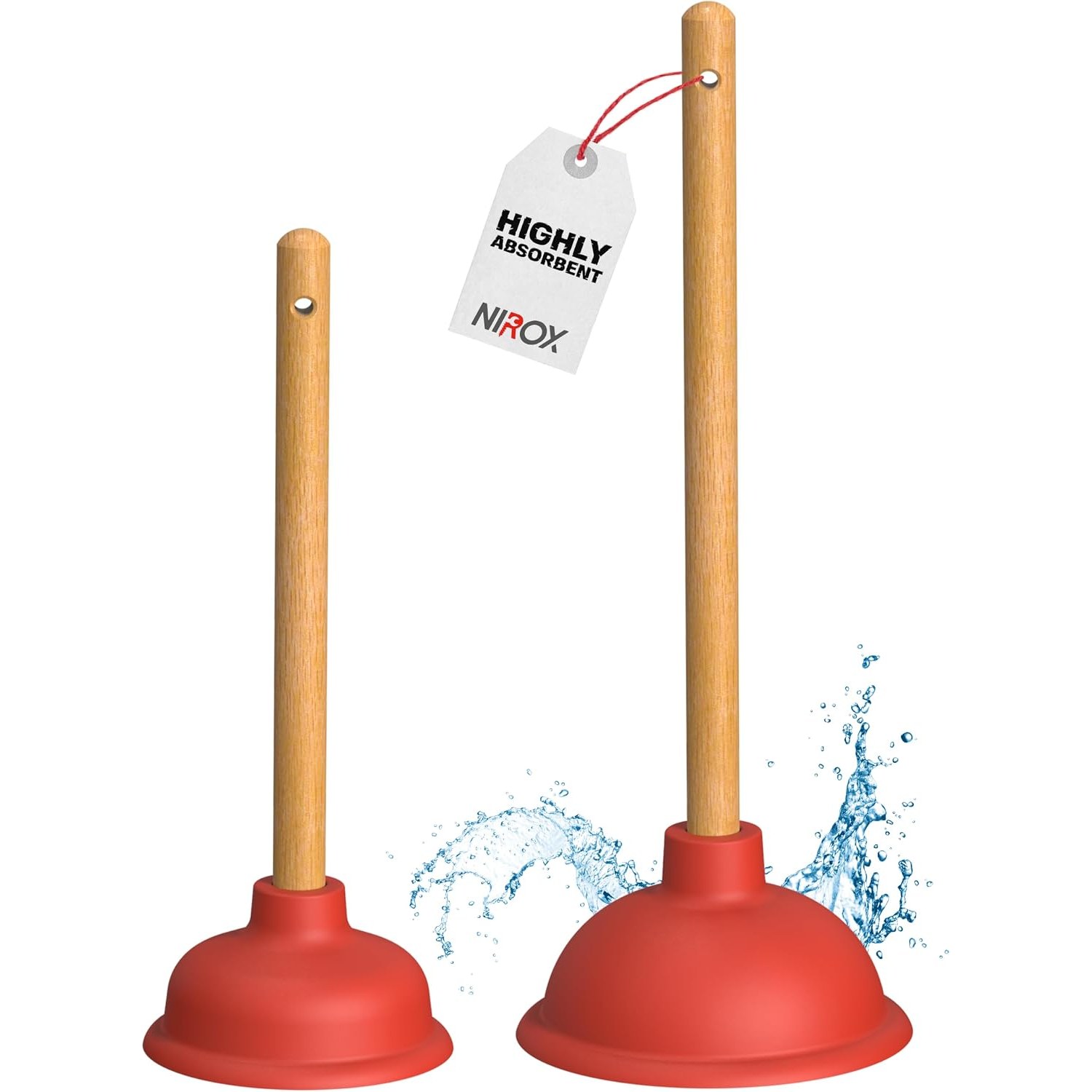
Plunger Set 110mm and 140mm with Wooden Handles

€24.99
  • Two Cup Sizes
  • Wooden Handles
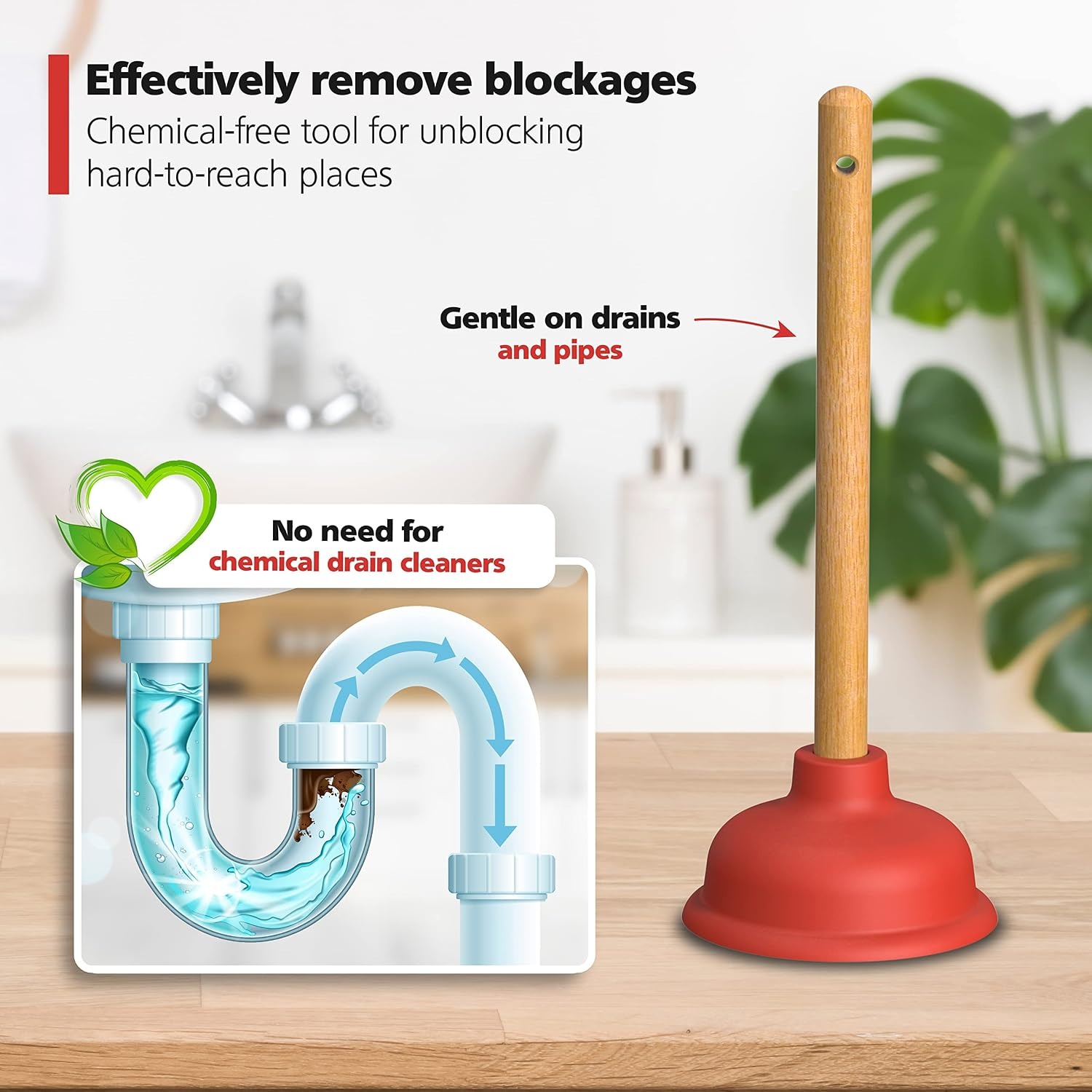
  • No Chemicals Needed
  • Stores Flat

Price: €24.99

  • Free tracked delivery across Ireland on orders €120+, otherwise a flat €15
  • Pay by card or PayPal, handled by the payment provider
  • 14 days to change your mind, plus your statutory rights
Product specifications
Pieces In The Set2 plungers with wooden handles (the maker lists 4 pieces)
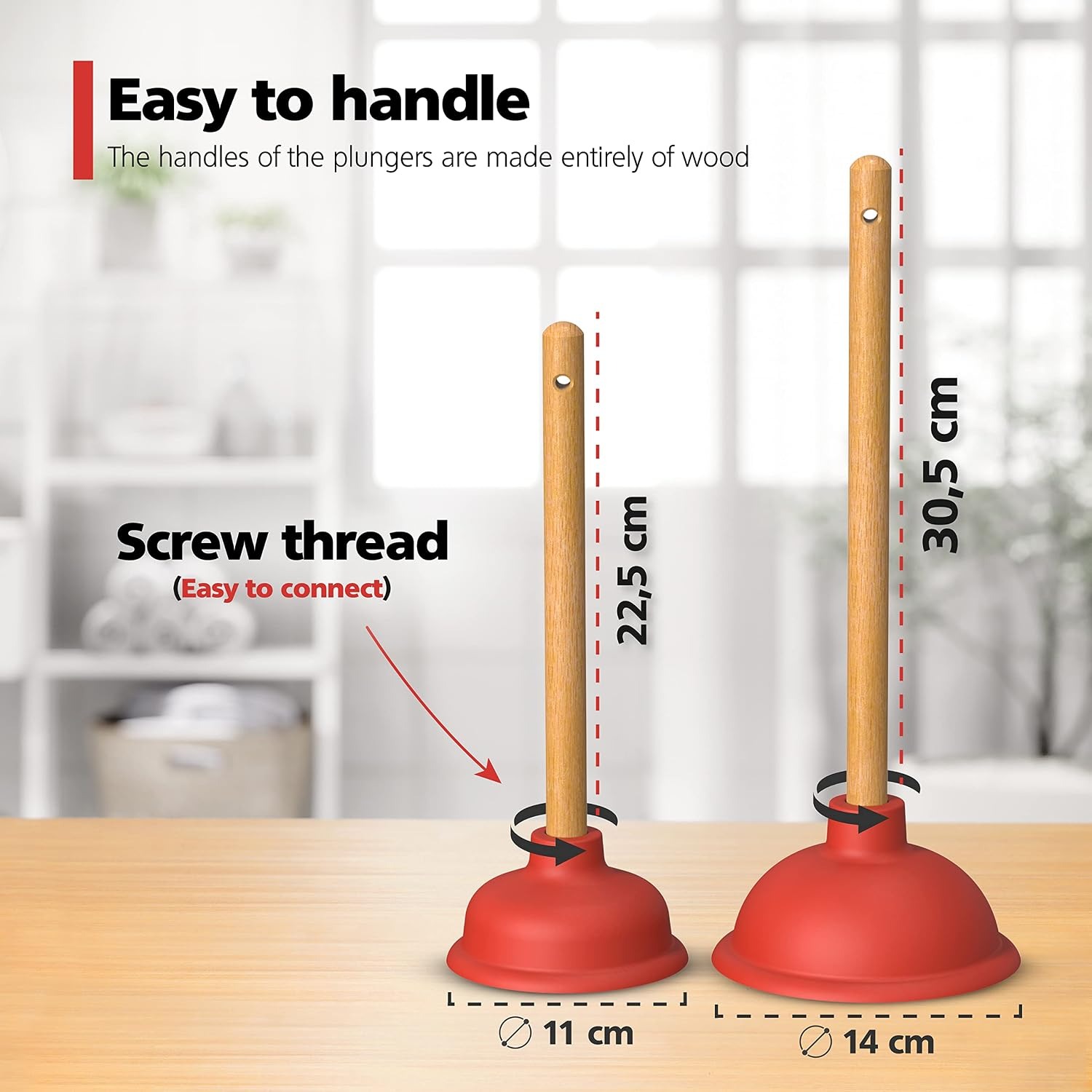
Cup Diameters110 mm and 140 mm
Total Lengths29 cm and 37.5 cm
Handle MaterialWood
Cup MaterialNot stated by the maker
Handle FittingScrew thread, fitted by hand
ColourRed
Overall Dimensions37.5 x 14 x 14 cm
Weight206.88 g
Weight206.88 g
Shipping & returns

Tracked delivery anywhere in Ireland. It is free on orders of €120 or more, and a flat €15 below that. Most orders arrive within 4 to 8 working days.

Under the Consumer Rights Act 2022 you have 14 days from delivery to cancel for any reason, and a further 14 days to send it back. You may handle the item as you would in a shop. We refund the price you paid, including standard delivery, though we may reduce the refund if it has been used beyond that. You cover the cost of returning it unless the item is faulty.

If it arrives faulty, damaged or not as described, we put it right at no cost to you under the Consumer Rights Act 2022 and the EU Sale of Goods Directive 2019/771, return postage included.

Shipping details · Refunds and returns

Two Cup SizesA 110mm cup for basins and a 140mm cup for sinks, baths and shower trays.
Wooden HandlesEach handle screws into its cup by hand, with no tools needed.
No Chemicals NeededClears soft blockages with water pressure and a bit of effort.
Stores FlatUnscrew the handles and the set tucks into a small cupboard space.

Get a slow sink moving again with a plunger set that has the right cup for the basin and the right cup for the bath.

Two cup plungers, 110mm and 140mm across, with wooden handles that screw on by hand, so you can seal over a small basin waste or a wide kitchen sink without reaching for chemicals.

This set gives you two cup plungers, one 110mm across and one 140mm across, so you have a cup that fits both a small basin and a wide kitchen sink.

The maker gives the total lengths as 29cm and 37.5cm, which means the shorter one works under a low tap and the longer one reaches the floor of a deep sink or bath.

Both handles are wood and join the cups with a screw thread you turn by hand.

A plunger shifts hair, soap and food residue by moving water back and forth, so nothing has to be poured down the drain.

The handles unscrew again for storage, so the whole set fits under the sink until you need it.

Plunger Set 110mm and 140mm with Wooden Handles

A slow sink is nearly always a soft blockage sitting close to the plughole. Hair and soap in the bathroom, food scraps and fat in the kitchen. That is the kind of blockage a cup plunger was made for, and this set gives you two of them in different sizes so you can match the cup to the fitting in front of you.

Plunger Set 110mm and 140mm with Wooden Handles

The smaller plunger has a 110mm cup and a total length of 29cm, according to the maker. It is the one to use where space is tight, such as a bathroom basin with a tap close to the waste. The larger plunger has a 140mm cup and a total length of 37.5cm. It covers a wider waste and moves more water with each stroke, which helps on a kitchen sink, a bath or a shower tray.

Plunger Set 110mm and 140mm with Wooden Handles

Both handles are made of wood. Each one joins its cup with a screw thread, and the maker says you can connect them by hand. You can take them apart again when you are finished, which makes the set easier to store. The maker lists the colour as red. The material of the cups is not stated by the maker.

Plunger Set 110mm and 140mm with Wooden Handles

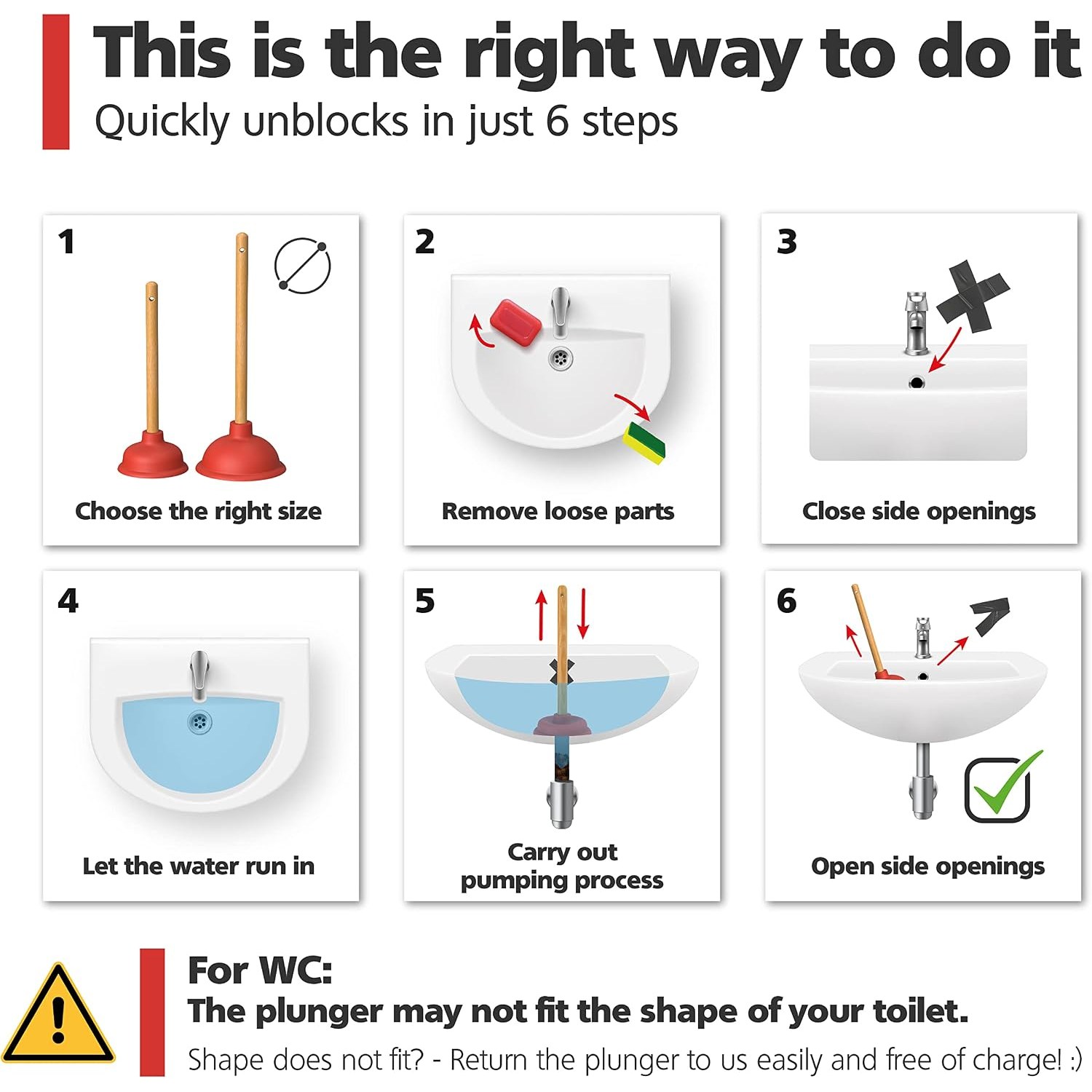
A plunger works by pushing and pulling water against the blockage until it loosens. It needs a good seal around the plughole and enough water in the sink to cover the cup. Cover the overflow with a wet cloth and most of your effort goes where it should. There is nothing to plug in and nothing to pour.

Plunger Set 110mm and 140mm with Wooden Handles

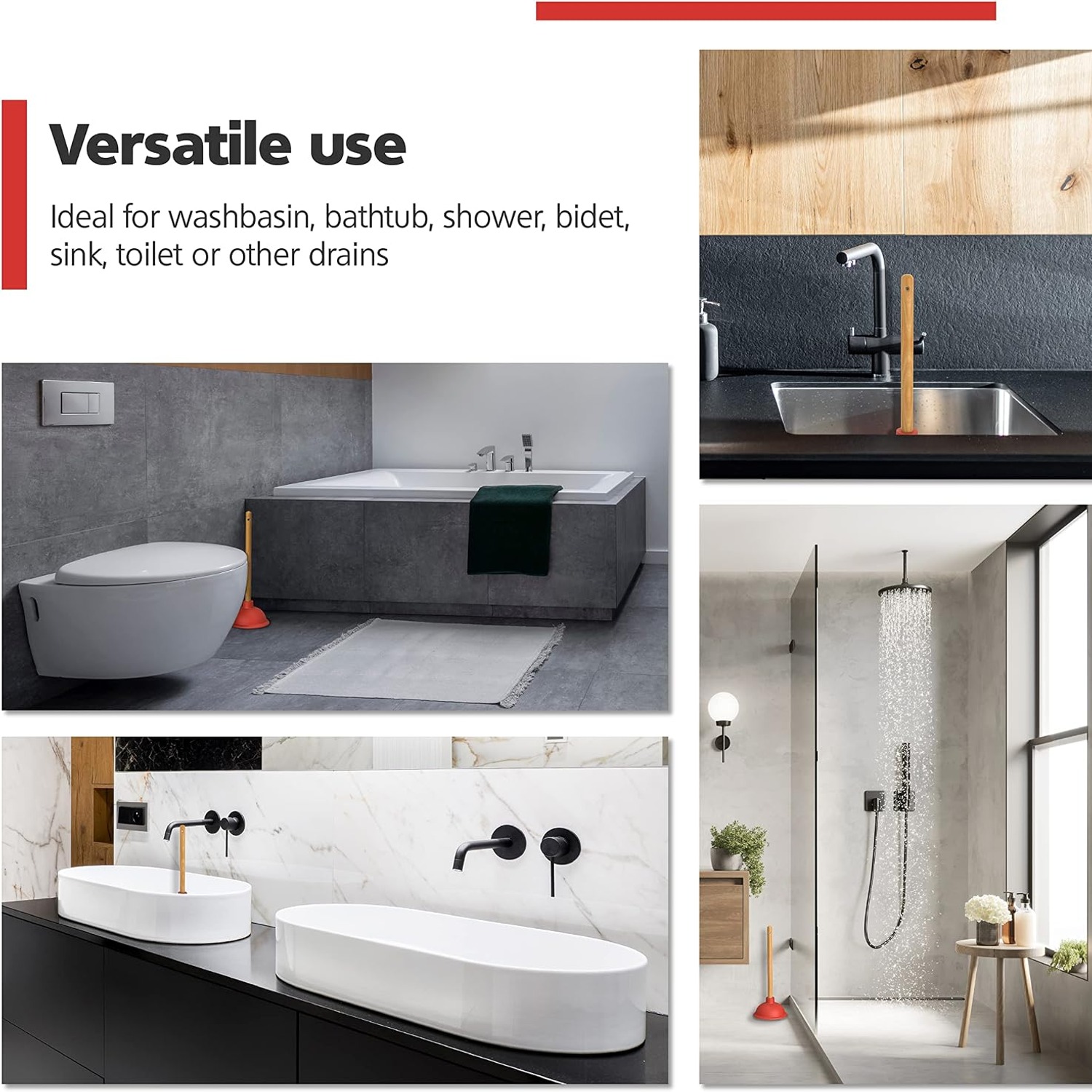
The maker lists washbasins, baths, showers, bidets, sinks and toilets among the uses. A flat cup seals best on a flat surface, so it is most at home on sinks, basins, baths and shower trays. If several fittings back up at once, the problem is further down the line and needs a plumber or drain contractor.

Not sure yet? That is fine.

A drain part has to fit the drain you have, and you cannot always judge that from a photograph. Under the Consumer Rights Act 2022 you have 14 days from delivery to cancel for any reason, and a further 14 days to send it back. You can handle it as you would in a shop to check the fit. We refund the price you paid, including standard delivery, though we may reduce the refund if the item has been used beyond that.

If it turns up faulty, damaged or not as described, that is on us. The Consumer Rights Act 2022 and the EU Sale of Goods Directive 2019/771 cover you, and we pay the return postage. Read the full detail on our refunds and returns page, or ask us anything before you order.

Frequently Asked Questions

What is in this plunger set?

You get two cup plungers, each with a wooden handle. One has a 110mm cup and the other a 140mm cup. The maker lists the set as four pieces, which fits two cups plus two handles that screw together.

What sizes are the two plungers?

The cups measure 110mm and 140mm across. Those are the diameters the maker states. The smaller one suits a basin and the larger one suits a kitchen sink, bath or shower tray.

How long is each plunger?

The maker gives the total lengths as 29cm for the small plunger and 37.5cm for the large one. That is measured with the handle fitted. The shorter one is handy under a low tap.

What are the handles made of?

The handles are wood. That is the only material the maker names for this set. If you were looking for a wooden handle plunger and not an all-plastic one, this fits.

What are the cups made of?

The cup material is not stated by the maker, so we cannot confirm it. The maker names wood for the handles only. If the cup material matters to you, please ask us before ordering.

What colour is the set?

The maker lists the colour as red. The handles are wood. Photos on the page show the set as supplied, though screens can shift shades slightly.

How do the handles attach to the cups?

Each handle has a screw thread that turns into the top of its cup. The maker says this is done by hand. You do not need tools or glue.

Can I take the handles off again?

Yes. The handles unscrew, which the maker points out as a way to save space. Many people store the pieces flat in the cupboard under the sink and screw them together when needed.

How does a plunger clear a blockage?

It moves water. Pressing the cup down pushes water at the blockage, and pulling up draws it back. That rocking loosens soft material so it can wash away.

Which plunger should I use on a bathroom basin?

Start with the 110mm one. A basin curves away from the plughole quickly, and a small sink plunger finds a flat ring to seal on more easily. Its 29cm length also fits under most basin taps.

Which one is better for a kitchen sink?

The 140mm plunger is usually the better fit. Kitchen wastes are wide and the base of the sink is flat, so a large sink plunger seals well and shifts more water per stroke. If you want a kitchen sink plunger that covers the whole waste, use the bigger cup.

Can I use it on a bath or shower tray?

Yes. The maker lists baths and showers among the uses. The 140mm cup is the natural choice as a bath plunger, because the floor of a bath or tray is flat and gives a good seal.

Can I use it on a toilet?

The maker lists toilets among the uses. Bear in mind that a flat cup seals best on a flat surface, and a toilet outlet is deep and curved. It can help with a soft blockage, but some toilet blockages need a different tool.

Do I need to block the overflow?

Yes, and it makes a big difference. The overflow joins the same waste pipe, so an open overflow lets the pressure escape. Hold a wet cloth firmly over it while you plunge.

How much water should be in the sink?

Enough to cover the cup. Water does not compress, so a cup full of water passes on your effort far better than a cup full of air. If the sink is dry, run some in first.

Do I need to use chemicals with it?

No. A cup plunger works with water and effort alone. We do not recommend chemical drain cleaners.

Someone already poured drain cleaner down the sink. Can I still plunge it?

Be careful. Plunging can splash the liquid back towards your hands and face. Flush with plenty of cold water first, wear gloves and eye protection, and leave it alone if you are unsure.

What kinds of blockages does it suit?

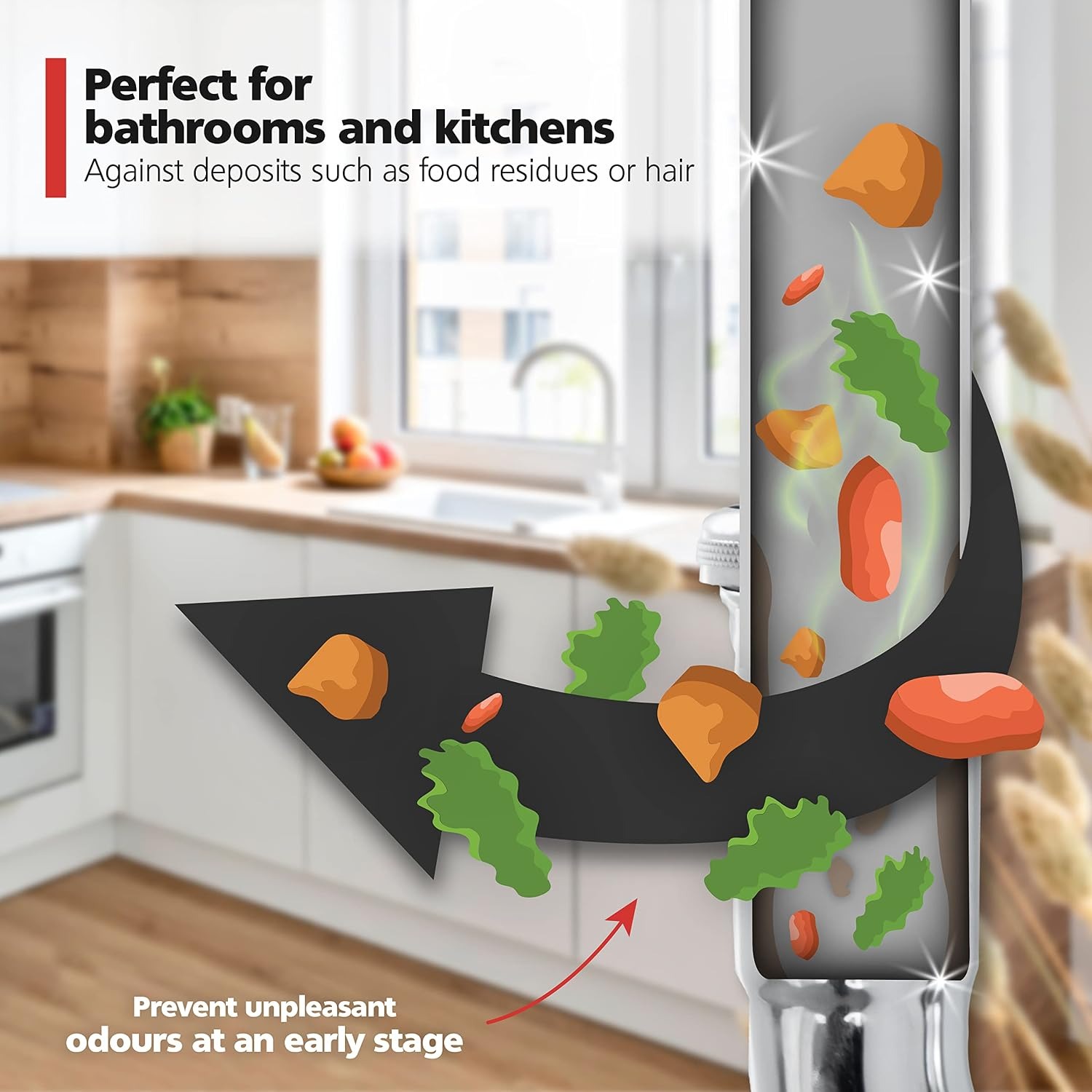
Soft ones close to the plughole. The maker mentions deposits of food residue and hair as examples. A solid object stuck in the trap needs to be lifted out by hand instead.

Will it help with smells from the drain?

It can. Smells often come from food or hair sitting in the trap, and the maker notes that shifting those deposits early helps avoid odours. Rinse with plenty of hot water after plunging.

What if plunging does not work?

Try three or four rounds before giving up, because blockages often move late. If nothing changes, put a bucket under the trap, unscrew it by hand and clean it out. If that does not fix it, call a qualified plumber.

How do I plunge a double kitchen sink?

The two bowls share one waste, so seal the second plughole first. Put the plug in or hold a wet cloth over it. Otherwise the water just rises on the other side.

Is it safe for plastic waste pipes?

A hand plunger only moves water, so it is a mild way to treat pipework. Use steady strokes and do not slam the handle down. Check under the sink afterwards that no joints have started to drip.

How do I clean the plungers after use?

Rinse each cup inside and out under running water. Wipe the handle and let both parts dry before you put them away. Keeping one drain plunger for the kitchen and one for the bathroom is a sensible habit.

How should I store the set?

Somewhere dry and away from direct heat. Unscrewing the handles lets the pieces lie flat. Do not leave a plunger standing in water, because the wooden handle will not thank you for it.

How heavy is the set and how big is it?

The maker gives the weight as 206.88g and the overall dimensions as 37.5 x 14 x 14cm. That is light enough to use one handed. It takes up very little cupboard space.

Do I need any plumbing experience to use it?

No. Using a cup plunger is a simple household job and nothing has to be taken apart. Read the steps once, cover the overflow and take your time.

What if the blockage is outside the house?

A sink plunger will not reach a blocked drain outside. Drains inside your boundary are a job for a drain contractor or qualified plumber. If the blockage is in a public sewer, contact Uisce Éireann or your local authority.

Is this a good gift for a new home?

It is a practical one. People moving into a first home or a rental rarely own a plunger until the day they need one. A two-size plunger set covers the kitchen and the bathroom from day one.

How is it delivered?

Delivery is tracked within Ireland. Please see the Shipping page for the current delivery details. You will receive tracking information once your order is on its way.

What if it is not right for me?

You have a 14-day right to cancel after delivery. The Refunds & Returns page explains how to send an item back. If something arrives damaged, contact us with your order number and a photo.

How To Choose And Use A Sink And Bath Plunger Set

6 min read Drains Company

The slow sink that will not wait

Most blockages give you a warning. The basin takes longer to empty after you brush your teeth. The kitchen sink holds a few centimetres of grey water while you finish the washing up. Then one evening it stops going down at all, and it is always the evening you have people coming over.

What sits in the pipe is rarely a mystery. In a bathroom it is hair bound up with soap. In a kitchen it is food scraps and fat that went down warm and set cold. Most of the time that plug is sitting in the trap, the curved piece of pipe right under the plughole, or just beyond it. That is close enough for a plunger to reach with pressure, which is why a plunger is still the first tool worth picking up.

This set gives you two of them. One has a 110mm cup and the other a 140mm cup, and each has a wooden handle that screws on by hand.

How a cup plunger does its job

A plunger does not grab anything. It moves water. When you press the cup down over a plughole, you push water down the pipe towards the blockage. When you pull back up, you draw water the other way. Do that a dozen times and the plug gets rocked back and forth until it loosens, breaks up, or shifts along to a wider part of the pipe where it can wash away.

Two things make that work. The first is a seal. The rim of the cup has to sit flat on the surface around the plughole, with no gaps for air or water to escape. The second is water. Air squashes and water does not, so a cup full of water passes on far more of your effort than a cup full of air. If the sink is empty, run in enough water to cover the cup before you start.

There is one more detail people miss. A basin, a bath and many kitchen sinks have an overflow, the slot or hole near the top. It connects to the same waste pipe. If you leave it open, every push sends air and water out of the overflow instead of down at the blockage. Hold a wet cloth firmly over it with your spare hand and the plunger suddenly feels far more effective.

Why two sizes are worth having

The size that matters is the cup diameter, and the right one depends on what the cup has to sit on.

The 110mm plunger is the one for tight spots. A bathroom basin curves quickly away from the plughole, and the tap or pop-up waste often sits close by. A smaller cup finds a flat ring to seal on where a big one would rock on the curve. It is also the handier choice for a bidet or a small cloakroom basin. The maker gives its total length as 29cm, which is short enough to work under a low mixer tap.

The 140mm plunger covers more ground. The floor of a kitchen sink, a bath or a shower tray is flatter and wider, and the wastes are bigger. A larger cup moves more water with each stroke and seals comfortably around a wide waste. The maker gives its total length as 37.5cm, so you have a little more reach into a deep sink or down to the floor of a bath.

Having both means you are not trying to make one cup fit everything. It also means you can keep one for the kitchen and one for the bathroom, which most people prefer once they think about where each has been.

What the set is made of

The handles are wood, and each one joins its cup with a screw thread that you turn by hand. No tools are involved. You can unscrew them again, which makes the set easier to tuck away in a cupboard. The maker lists the colour as red and describes the set as four pieces, which fits two cups plus two handles.

The material of the cups is not stated by the maker, so we will not guess at it. The maker gives the weight as 206.88g and the overall dimensions as 37.5 x 14 x 14cm.

Using a plunger properly

Start by clearing the area. Take out the plug, lift out any strainer, and remove whatever is sitting in the sink. If there is a deep pool of dirty water, bail some out into a bucket so it does not slop over the edge, but leave enough to cover the cup.

Block the overflow with a wet cloth. Set the cup over the plughole and press down slowly the first time. That first slow push squeezes the air out from under the cup. After that, work the handle up and down with short, firm strokes while keeping the rim in contact with the surface. Ten to fifteen strokes is a fair round. Then lift the plunger away sharply and watch the water.

If the level drops, you have shifted something. Run the hot tap for a minute to carry the loosened material away, then plunge once more for good measure. If nothing changes, try another two or three rounds before you give up. Blockages often move on the third attempt, not the first.

On a double kitchen sink, the two bowls share a waste. Put the plug in the second bowl, or have someone hold a wet cloth over its plughole, or all your effort will come up the other side.

A word of caution about chemicals. We do not recommend chemical drain cleaners, and a plunger and a caustic liquid are a bad mix. If someone has already poured a cleaner into the drain, plunging can splash it back at your hands and face. Flush with plenty of cold water first, wear gloves and eye protection, and if you are unsure, leave it alone.

Where a plunger suits and where it does not

The maker lists washbasins, baths, showers, bidets, sinks and toilets among the uses. In practice, a flat cup like these seals best on a flat or gently curved surface, which is why it feels most at home on a sink, basin, bath or shower tray. A toilet pan has a deep, curved outlet, so getting a good seal there takes more care, and some blockages in a toilet will need a different tool.

A plunger works on soft blockages that sit close to the plughole. Hair, soap, food residue and grease are all fair game. It will not help with a solid object such as a bottle cap or a small toy lodged in the trap. Pushing harder at something solid can wedge it tighter. In that case, put a bucket under the trap, unscrew it by hand and lift the object out.

It also has limits further along the line. If several fittings back up at once, or water rises in the bath when you empty the sink, the trouble is in the shared drain and not in one trap. Inside your property boundary that is a job for a drain contractor or a qualified plumber. If the blockage is in a public sewer, contact Uisce Éireann or your local authority. No hand tool will fix that from the kitchen.

Looking after the set

Care is short. Rinse each cup under running water after use, inside and out, and wipe the handle. Wood does not enjoy standing wet, so do not leave a plunger sitting in a bucket of water or resting cup-up with water pooled inside. Let both parts dry before you put them away.

Store the set somewhere dry and out of direct heat. Under the kitchen sink is the usual home, and unscrewing the handles lets the pieces lie flat in a small space. Check now and then that each handle is screwed in snugly before you use it. A handle that has worked loose will wobble and make it harder to keep the seal.

It is worth a quick look at the rim of each cup from time to time. A cup that has split or gone hard will not seal well, and at that point it has done its service.

Stopping the next blockage

Once the water is running freely, a few habits keep it that way. A strainer over the bath or shower waste catches hair before it reaches the pipe. In the kitchen, scrape plates into the bin and wipe greasy pans with kitchen roll before washing them. Pour cooled fat into a container and bin it. Running the hot tap for a minute after a greasy wash-up helps stop fat settling in the trap.

None of that is hard, and it means the plungers spend most of their life in the cupboard, which is where you want them.

The short version

This is a set of two cup plungers with wooden handles that screw on by hand. The cups measure 110mm and 140mm across, and the maker gives the total lengths as 29cm and 37.5cm. The smaller one suits basins and tight spots. The larger one suits kitchen sinks, baths and shower trays.

Cover the overflow, keep the cup under water, and use short firm strokes. Rinse and dry the set afterwards. If one fitting is slow, start here. If the whole house is backing up, phone a plumber, and if it is the public sewer, contact Uisce Éireann or the local authority.

Browse the shop

Sink slow to drain?

Keep both sizes under the sink and you can deal with a soft blockage the same evening it shows up.

Ask us a question

Page summary

This is a set of two manual cup plungers for household drains. The maker states cup diameters of 110 mm and 140 mm and total lengths of 29 cm and 37.5 cm. Both handles are wood and attach to the cups by a screw thread that is fitted by hand, so the handles can be removed for storage. The maker lists the colour as red, the weight as 206.88 g and the overall dimensions as 37.5 x 14 x 14 cm. The maker lists washbasins, baths, showers, bidets, sinks and toilets as suitable uses. The plungers work by water pressure and need no chemicals or power. The material of the cups and the country of origin are not stated by the maker.