
The complete guide
How to Choose and Use a 10m Drain Snake
The problem with a slow drain
A slow drain is one of those small household problems that gets ignored until it is a big one. The sink takes thirty seconds to empty, then a minute, then it does not empty at all and there is grey water sitting in the bowl with bits floating in it. By that point most people have already poured two bottles of drain cleaner down it and watched nothing happen.
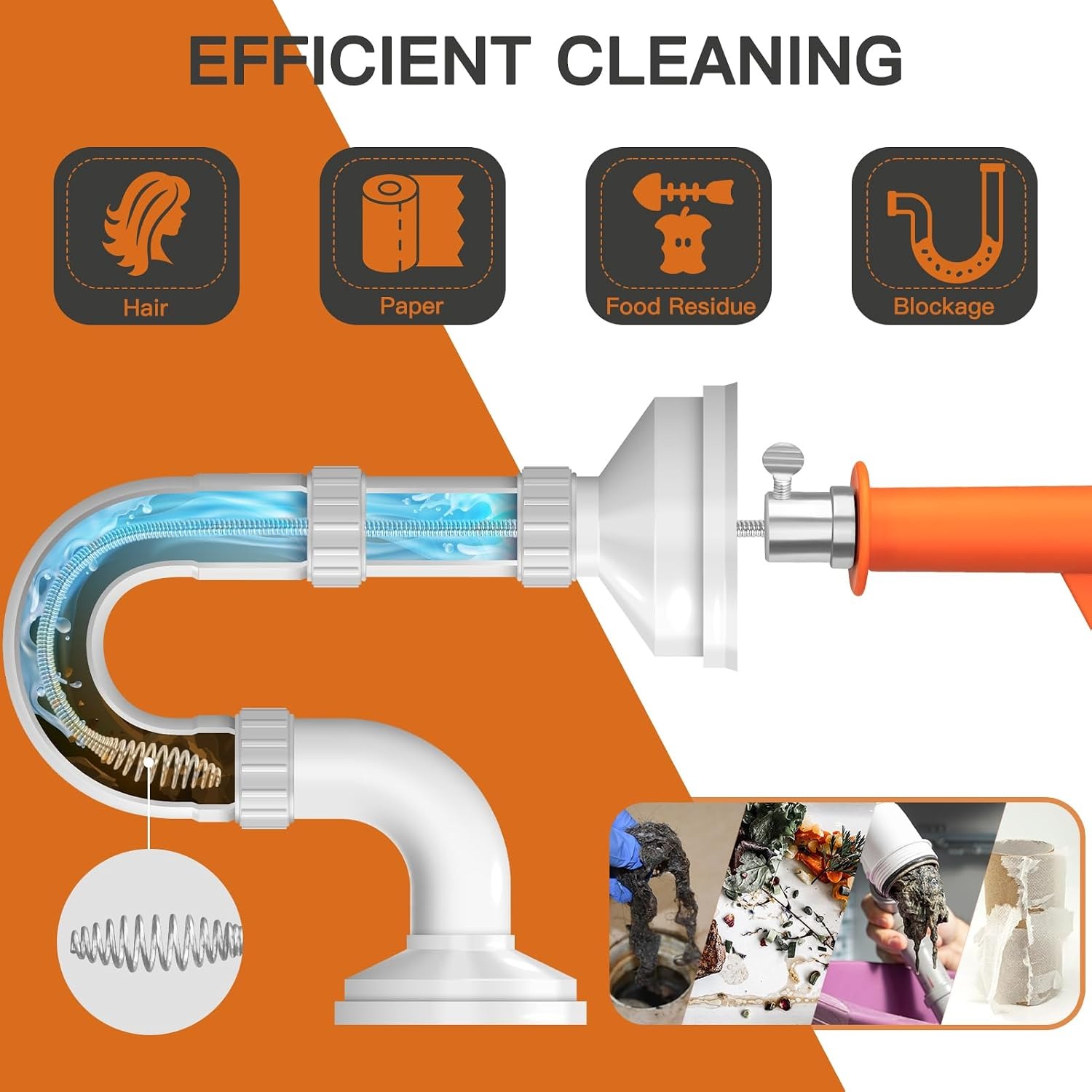
The reason chemicals so often disappoint is simple. A blockage in a domestic pipe is rarely a neat plug sitting right under the plughole. It is a crusted layer of grease, hair, soap residue and food that has been building on the pipe wall for a year or more, usually just past the trap or at the first proper bend. Liquid cleaner follows gravity and the path of least resistance. It makes a small channel through the softest part, water drains for a day or two, and then it seals up again.
A drain snake does something a liquid cannot. It travels along the pipe to where the problem actually is, turns against it, and breaks it apart. You can then pull a good chunk of it back out rather than pushing it further along to cause trouble somewhere less accessible.
How a drum auger works
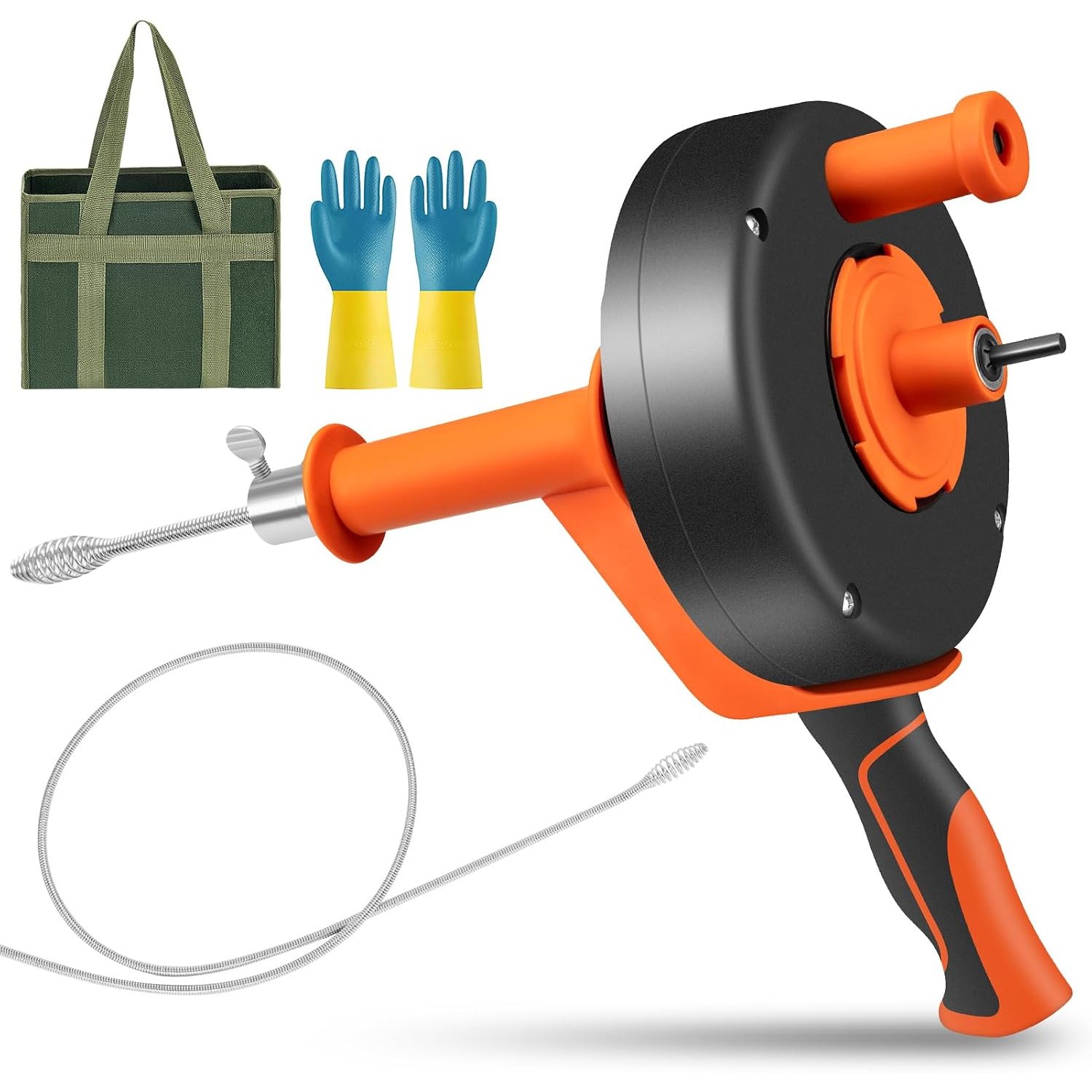
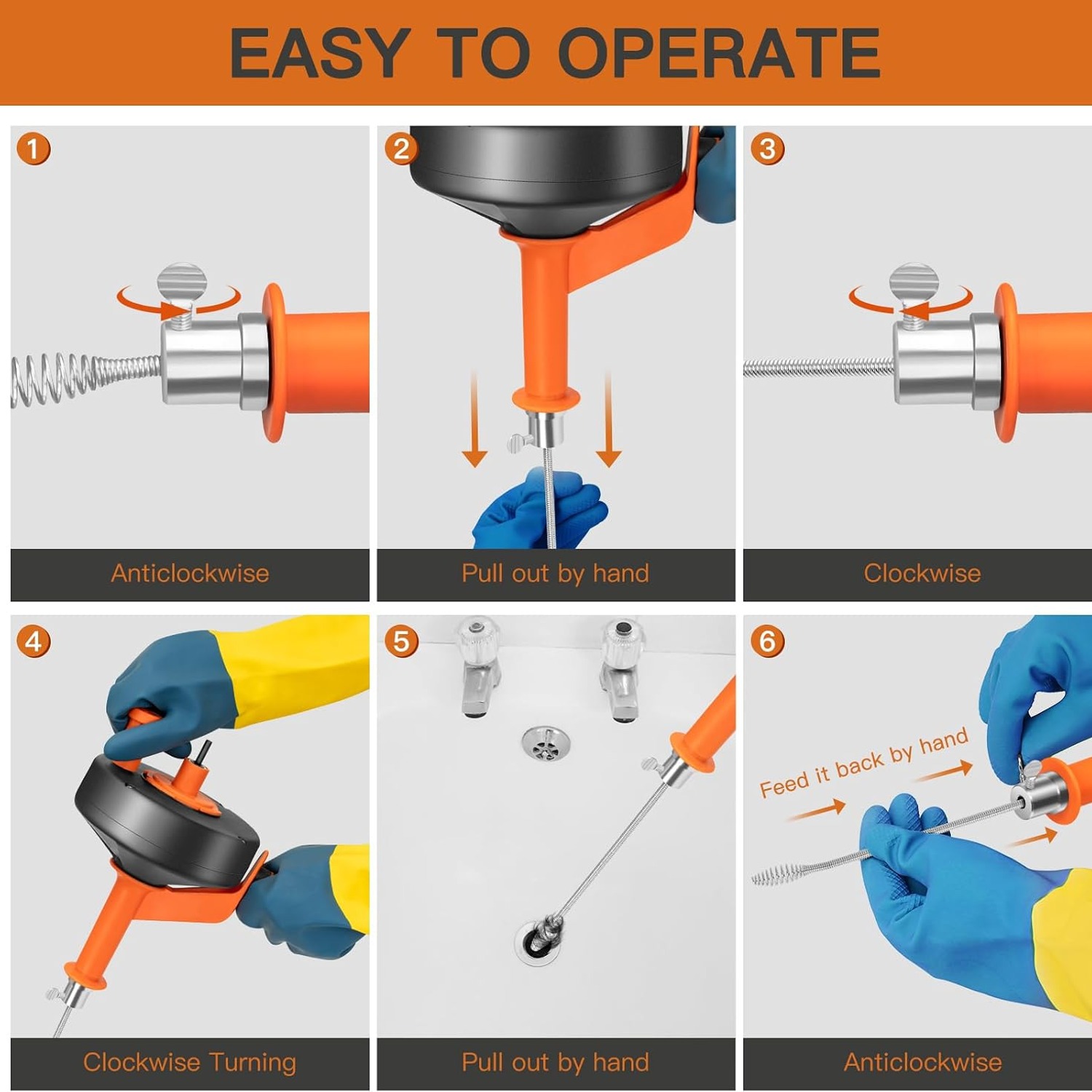
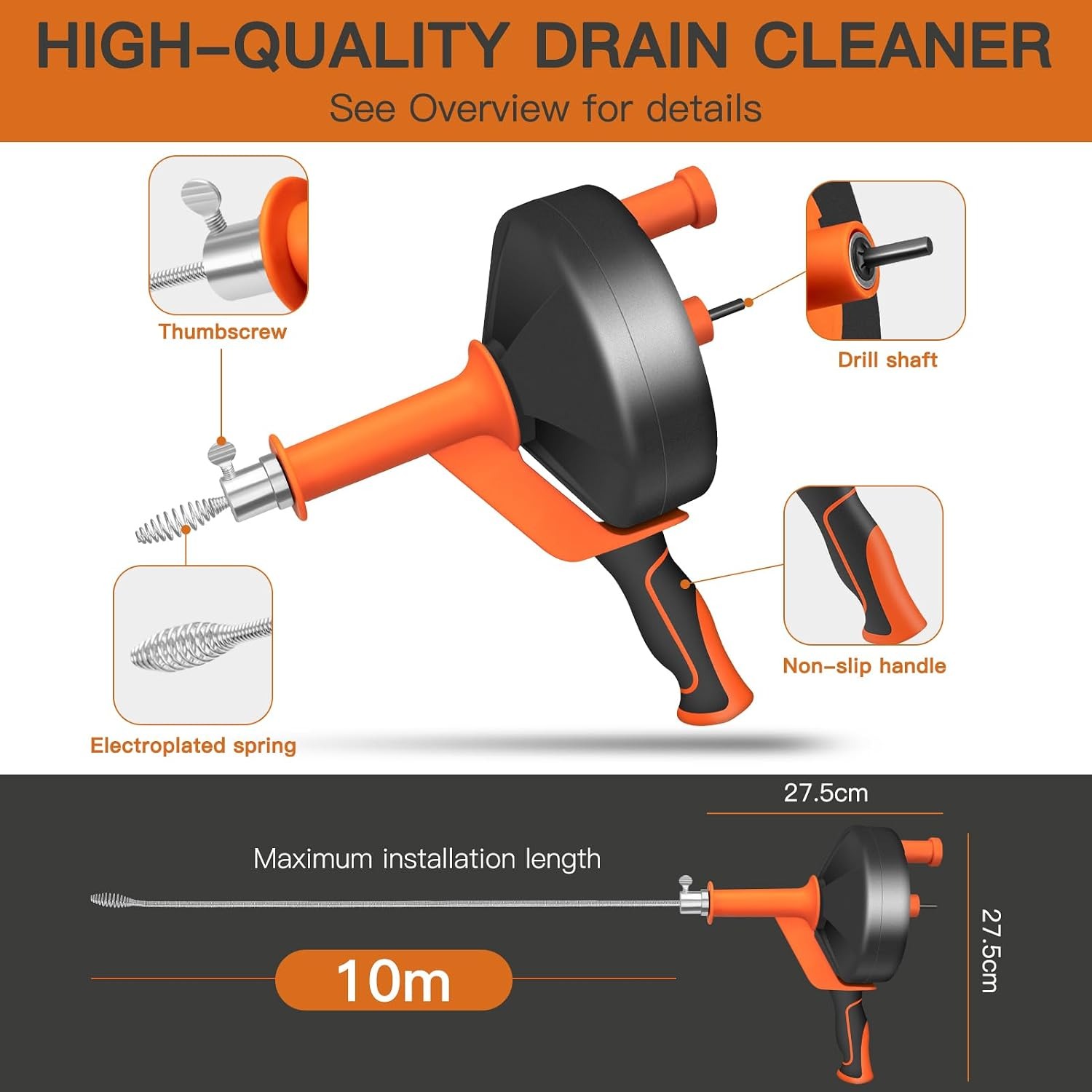
The tool is straightforward once you have held one. A long steel cable lives coiled inside a plastic drum. You pull out a length of cable, lock it in position with a screw on the body, feed the free end into the drain opening, then turn the drum using the crank handle. The whole cable rotates, and the tip at the far end bores into whatever is in the way.
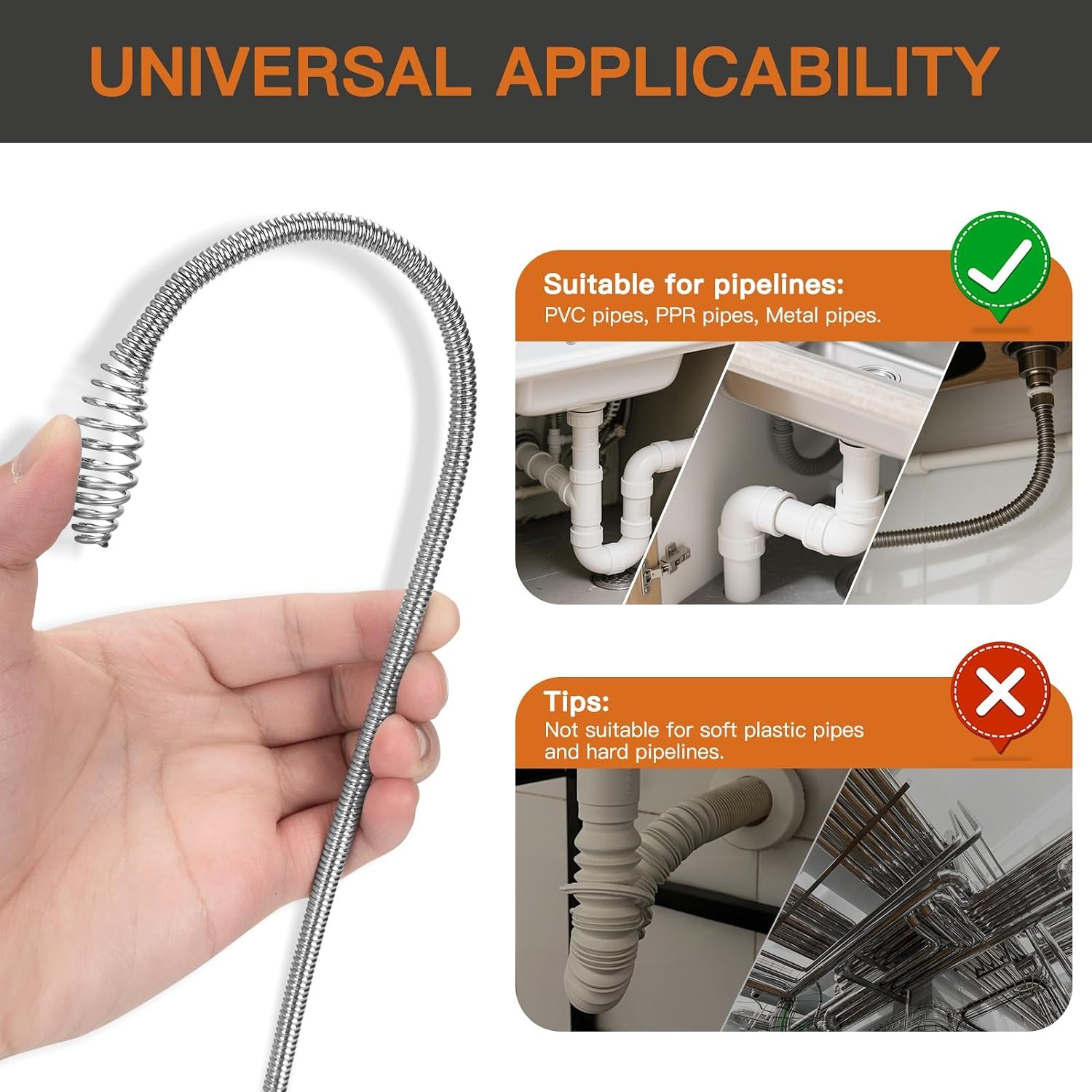
This one carries 10 metres of 72A manganese steel cable with an electroplated finish. The steel grade matters because the cable needs two conflicting qualities. It has to be flexible enough to curl through the U-bend under a sink and around a ninety degree elbow, but stiff enough to transmit twisting force along ten metres of pipe without just winding itself into a spring. Manganese steel manages that balance, and it springs back to shape rather than holding a kink after a hard job.
The plating is about longevity. A drain cable spends its working life in standing water. Bare steel would start showing surface rust within a few uses and would eventually get stiff and flaky. The plated surface pushes that out considerably, though it does not remove your obligation to dry the thing before you put it away.
The drum itself is shock-resistant ABS. Light, which matters when you are kneeling under a basin holding the tool at an awkward angle, and tough enough to survive being dropped on tile.
Hand cranking versus using a drill
This auger does both, and the choice matters more than people expect.
Hand cranking gives you information. When you turn the handle yourself, you feel the cable move freely through open pipe, you feel it slow as it enters a bend, and you feel the distinct change when the tip meets the blockage. That feedback tells you how far in the problem is and roughly how solid it is. For the first pass on any drain, hand cranking is the sensible choice.
The drill attachment is for the second stage. Once you know where the clog is and that it needs real work, a cordless drill turns the cable far faster than your wrist can and makes short work of packed grease or a dense hair mat. Keep the drill on a low speed setting. High speed does not clear a blockage faster, it just heats the cable, risks whipping it inside the pipe, and makes it more likely to kink.
One thing worth knowing before you order: the cable is fed in and pulled back by hand regardless of how it is turned. The drill spins the drum, it does not drive the cable forward. That is normal for this class of tool and it is actually safer, because you control exactly how much cable is in the pipe at any moment.
Where it works and where it does not
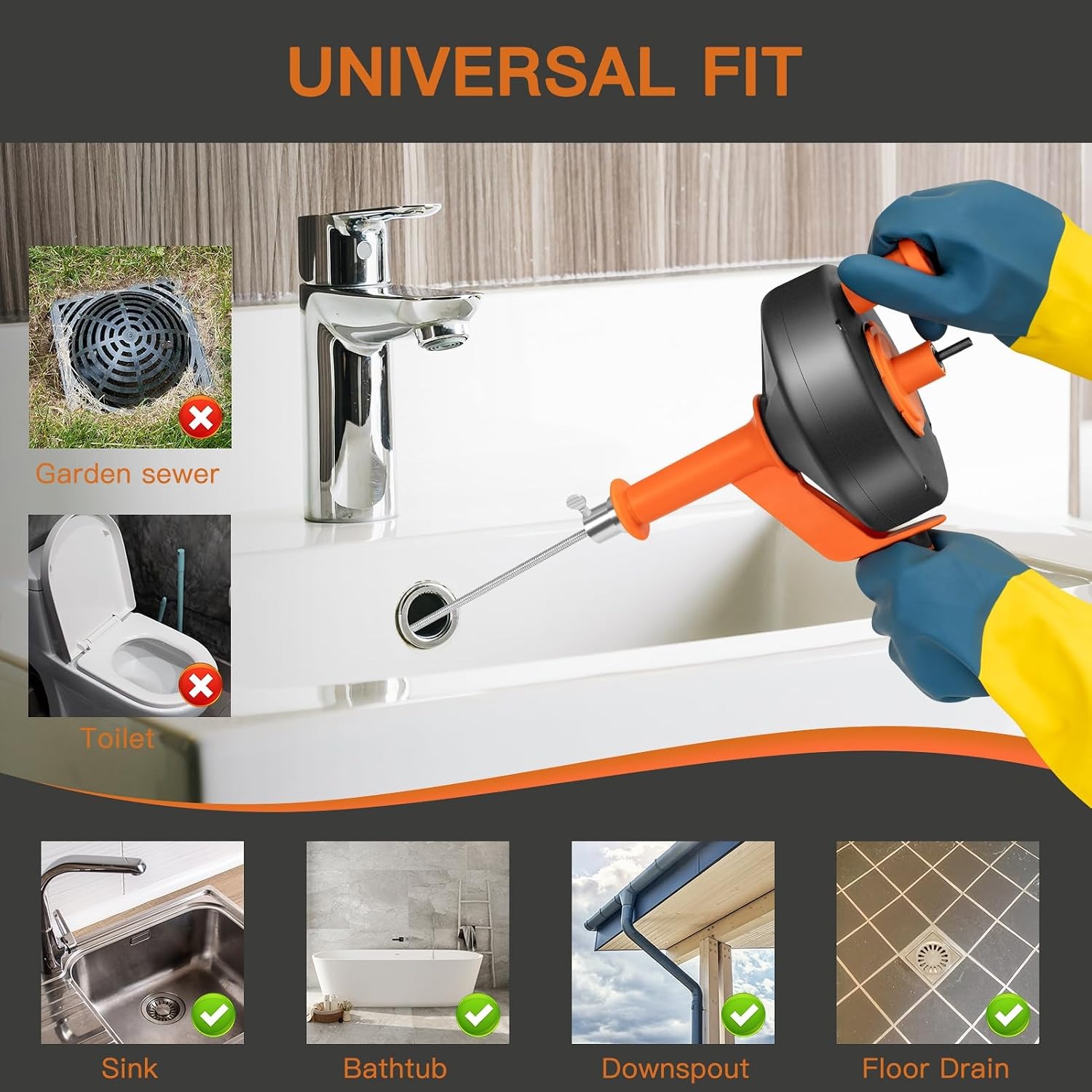
The usable range is pipes between half an inch and three inches across. In a normal house, that covers the kitchen sink, bathroom basins, the bath, the shower, floor drains and the branch runs that feed into the main stack. It also handles communal or workplace sinks, which tend to block more often simply because more people use them badly.
It is not for toilets. A toilet needs a short closet auger with a protective plastic sleeve, because a bare steel cable will scratch the glaze and leave marks that stain permanently. If your toilet is blocked, that is a different purchase.
It is also not a substitute for a professional machine on a blocked main sewer. If more than one fixture in the house is backing up at the same time, or water appears in the shower when you flush, the problem is downstream of all your branch pipes and no handheld tool will reach it reliably.
Working through a blockage
Start by clearing the area and putting the gloves on. The included latex gloves are size L and 32 cm long, which covers your forearms, and you will want that coverage when you draw the cable back out.
Feed the tip into the drain until it will not go further on its own. That first resistance is usually the trap, not the clog. Loosen the screw, push out another thirty centimetres of cable, tighten it, and crank. The tip will nose its way around the bend. Repeat in short sections. Working in short lengths is the single best habit, because a long loose section of cable outside the pipe just coils up and absorbs all the turning force you apply.
When you reach the real blockage you will feel the cable stop and load up. Keep turning with light forward pressure. Do not shove. Forcing it either wedges the tip or makes the cable buckle behind you. Let the rotation do the cutting, which may take a minute or two of steady work.
Once water starts to move, do not pull straight out. Work the cable back and forth a few times through that section to widen the opening, then retract it slowly, wiping it down as it comes. A lot of the clog will come with it, which is the whole point. Finish by running hot water for several minutes to flush what is left down the line.
Care that actually makes a difference
Two habits decide whether this tool lasts a decade or two seasons.
The first is rinsing and drying. As you wind the cable back into the drum, run clean water over it and wipe it with an old cloth. Water left in the coils is what starts corrosion, and once a cable gets stiff with rust it loses the flexibility that lets it turn corners.
The second is storage. Wind the cable fully in, tighten the locking screw so it cannot creep out, and put everything back in the canvas bag. A bag is not a luxury item here. Drain augers left loose in a garage get stepped on, kinked and lost, and the gloves end up somewhere else entirely.
Also keep an eye on the locking screw itself. Grit in the threads stops it clamping properly, and a cable that slips while you are cranking is annoying at best.
The short version
If you have a sink, bath or shower that keeps slowing down, a 10 metre drum auger is the tool that actually addresses the cause instead of masking it. The manganese steel cable reaches past the traps and bends where clogs form, the ABS drum keeps it contained and manageable, and the drill option gives you extra force when hand cranking is not enough.
It suits pipes from half an inch to three inches, which covers nearly every domestic fixture except the toilet. The gloves and canvas bag mean you are not making a second purchase to use it properly. Treat it well, dry it after every job, and it will pay for itself the first time you do not have to call anyone out.