
The complete guide
How To Keep Leaves Out Of Your Downpipes With A Gutter Balloon
Where gutter trouble starts
Stand outside on a wet November evening and look up. If water is sheeting over the front of the gutter instead of running along it, there is a good chance the downpipe is blocked.
It happens the same way on most houses. Leaves, moss from the roof tiles and bits of twig land in the gutter through the autumn. The next heavy shower washes all of it towards the lowest point, which is the outlet. The outlet is also the narrowest point in the whole system. A wide gutter empties into a pipe only a few centimetres across.
Some of that debris goes straight down and out. A lot of it does not. It lodges at the first bend, or at the shoe at the bottom, or in the gully underneath, and each new leaf packs in behind it. A blocked downpipe is awkward to clear, because the blockage sits where you cannot see it or get a hand to it. An overflowing gutter also sends water down the wall, and a wall that stays wet is where damp begins.
The fix is to stop the debris before it goes over the edge. That is the whole job of a gutter balloon.
What a gutter balloon is
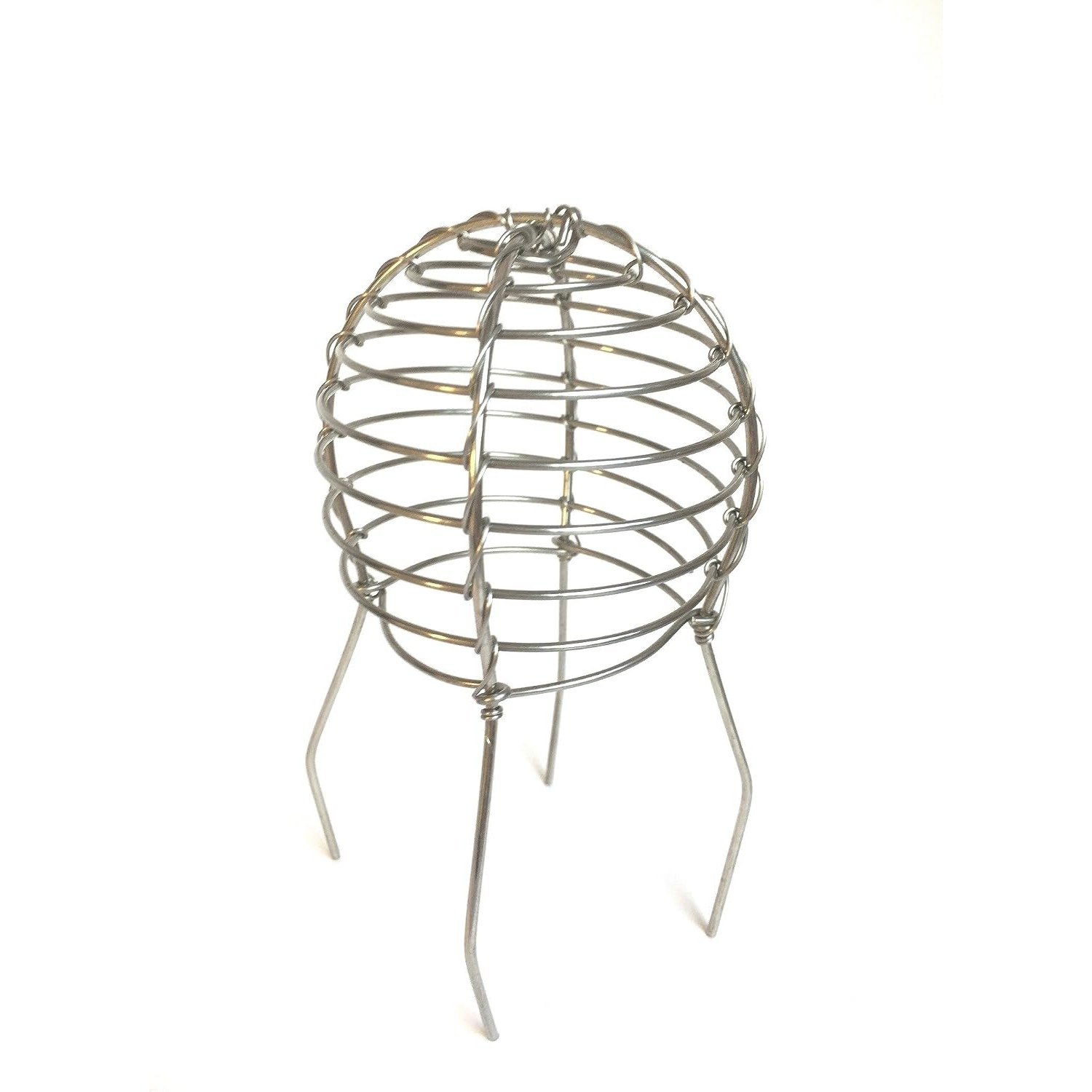
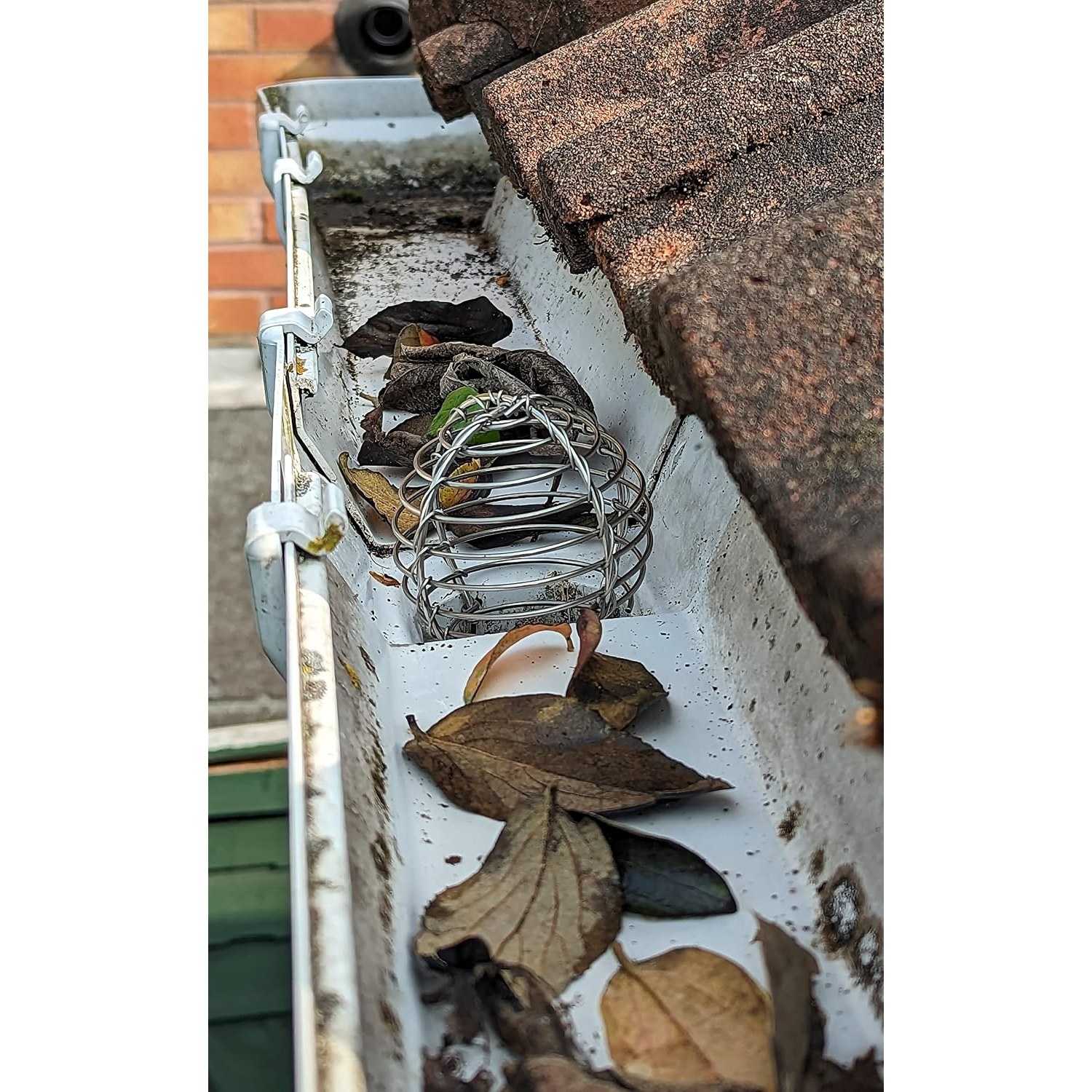
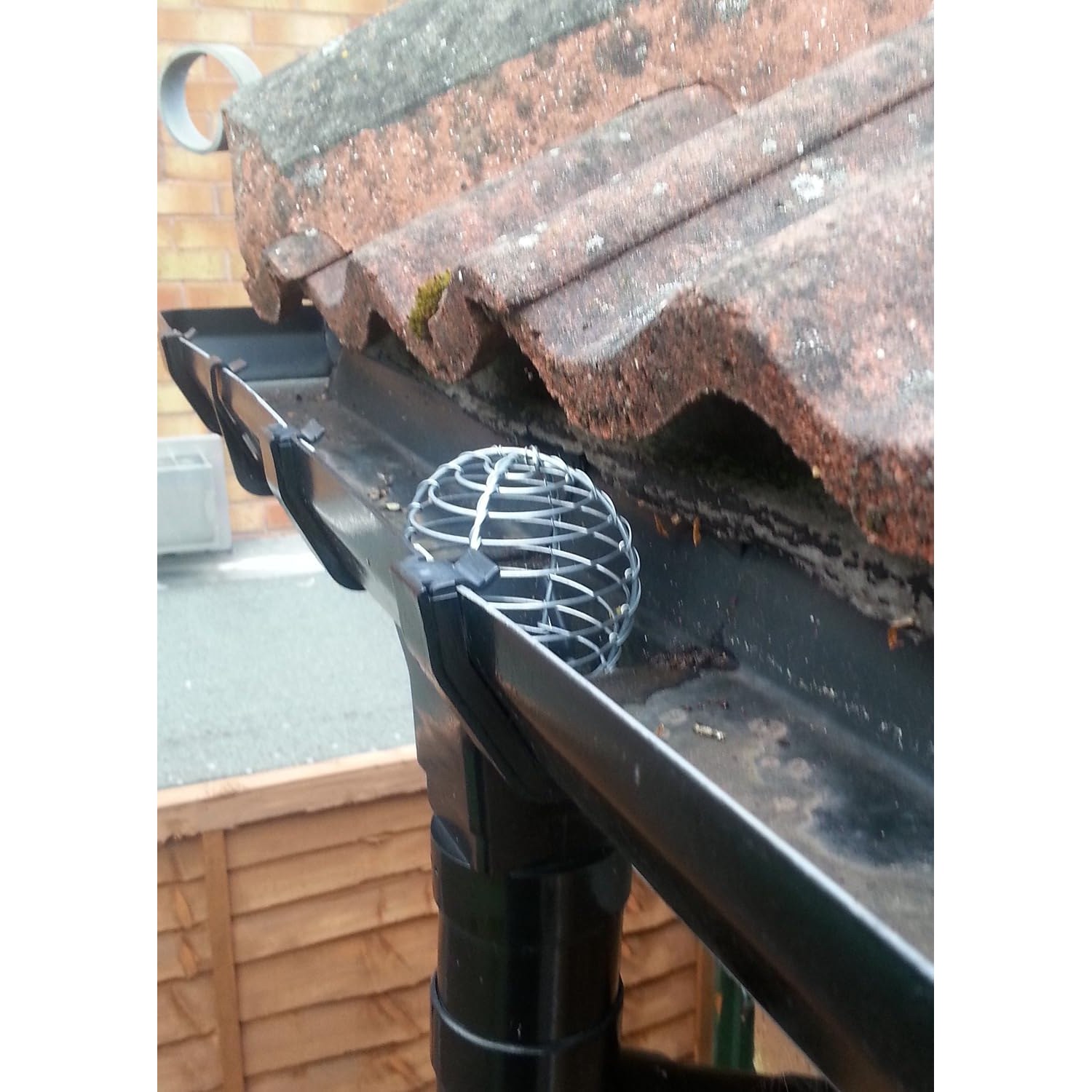
It is a balloon shaped guard made of wire that sits in the gutter outlet, at the top of the downpipe. Water runs through the gaps in the wire and down the pipe as normal. Leaves and twigs are too big to follow, so they stay in the gutter.
This pack contains two. The maker states they are made from galvanised wire and lists the colour as grey. The maker gives the dimensions as 15 x 8 x 8cm and the weight as 110g, though it does not say whether those figures are for one guard or for the pair.
There are no moving parts and nothing to assemble. It is about as simple as a piece of rainwater kit can be.
How it fits
According to the maker, you insert the balloon into the top of the downpipe or hopper head, and it expands to grip the pipe. No tools, fixings or special skills are needed.
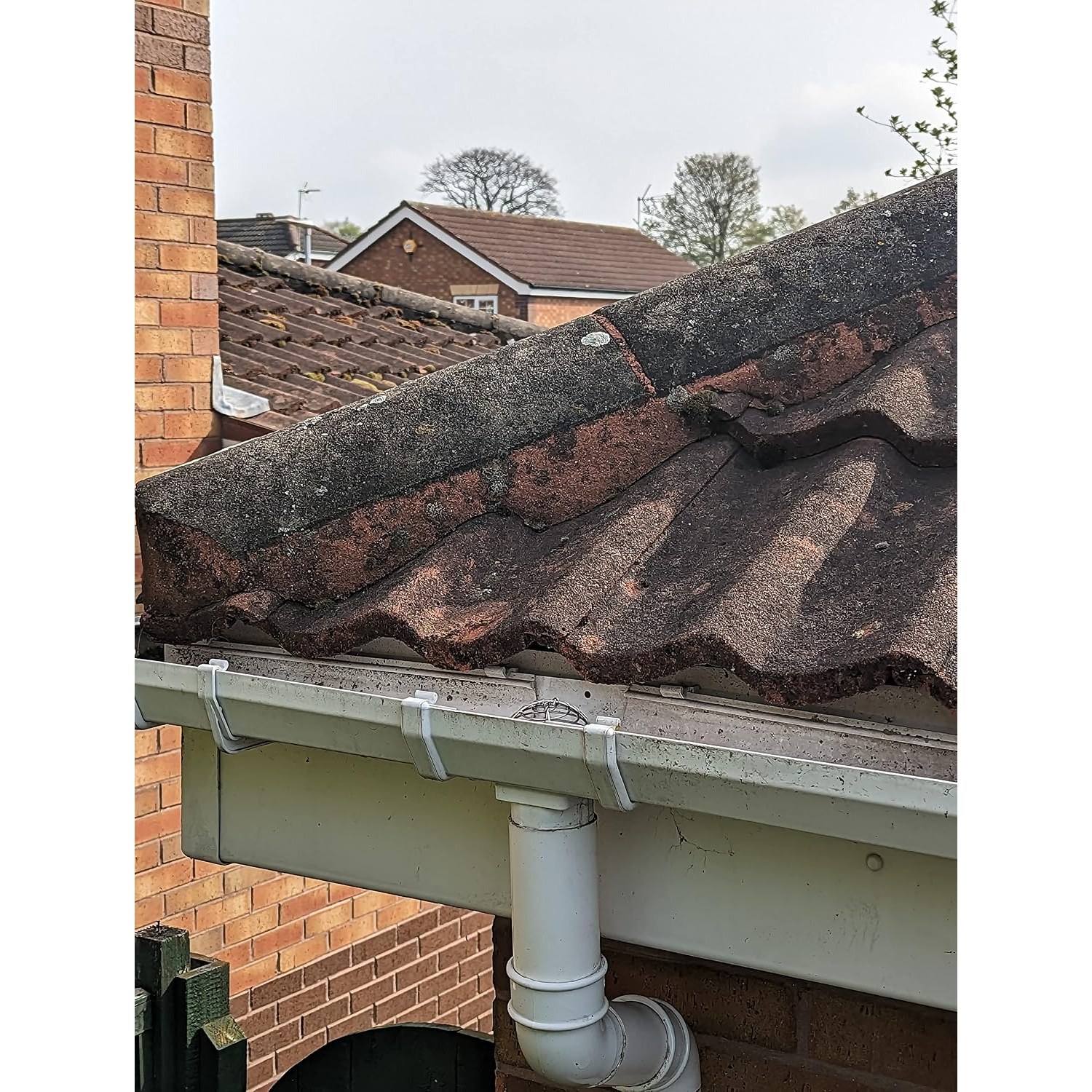
In practice that means pressing it down into the outlet by hand until it holds. The wire springs against the inside of the pipe and keeps the guard in place. With this type of guard, the top of the balloon sits up in the gutter above the outlet, and that is the part that does the filtering.
Before you fit one, clear the gutter around the outlet. If you push a guard into a pile of old leaves, it cannot seat properly, and you start with a problem already in place. Run a little water through the downpipe to make sure it is clear too. A guard only prevents new blockages. It does nothing for one that is already there.
Getting the size right
The maker states that these balloons fit downpipes from 63 to 75mm. It lists both round and square pipes, and asks buyers to check their sizing before ordering.
That range covers the downpipes found on a great many houses. A 68mm round downpipe, one of the most common sizes on homes here, sits inside it. Many square downpipes are close to 65mm across, which is also in range.
To be sure, measure. The figure you want is the width of the opening where the gutter outlet drops into the downpipe. If you cannot safely reach the gutter, measure the outside of the downpipe lower down as a guide. Larger pipes of 100mm and more are outside the range and need a larger guard.
How many you need
One balloon goes in each gutter outlet, so count your downpipes. A typical semi-detached or terraced house has one at the front and one at the back, which is what a pack of two covers. A detached house or a bungalow with a long roof often has four or more. Extensions, porches and garages usually have their own short gutter and their own outlet as well.
It is worth walking round the house and counting before you order. Note the size of each pipe while you are at it. Houses that have been extended over the years sometimes end up with two different downpipe sizes, and the guards only suit outlets within the 63 to 75mm range.
If you only want to protect some of the outlets, start with the ones under or near trees. Those are the ones that collect the most leaves and block first.
What a guard will and will not do
It is worth being straight about this. A gutter balloon does not keep your gutters clean. It keeps your downpipes clear, which is a different thing.
The leaves still land in the gutter. With a guard fitted, they stay there, gathered around the balloon, where you can lift them out by hand. Without one, they vanish down the pipe and turn up later as a blockage somewhere much harder to reach. That is a real improvement, but it is not a reason to stop looking at the gutters.
If debris is left to build up around the balloon, it will eventually form a mat that slows the water. Then the gutter overflows for a new reason. Checking in autumn and again in spring keeps that from happening, and houses under trees will need a look more often during leaf fall.
Fine material is another limit. Grit from roof tiles and small seeds can pass through any open wire guard. The size of the gaps is not stated by the maker.
Hopper heads
A hopper head is the open box you see at the top of some downpipes, often where a pipe from an upstairs bathroom or a second gutter joins. They are open to the sky and collect leaves readily.
The maker says the balloon can be inserted into a hopper head as well as a downpipe. The thing to check is the outlet at the bottom of the hopper. If that opening is between 63 and 75mm, the balloon is in range.
Working at height
The fitting is easy. Getting to it safely is the part that needs thought.
Use a ladder in good condition, set on firm and level ground, at a sensible angle. Have someone stand at the bottom. Do not lean out sideways to reach an outlet. Climb down and move the ladder instead. Do not rest a ladder against the gutter itself, because plastic guttering is not made to carry that load.
Pick a dry, calm day. Wear gloves. If the gutter is above a conservatory, over a steep drop or more than one storey up and you are not used to ladders, hire a gutter cleaning contractor. They can clear the run and fit the guards in the same visit.
Not a ground drain cover
One point of confusion comes up now and then. A gutter balloon is for the outlet at roof level. It is not a cover for a gully or drain in the ground.
The maker states no load rating for foot or vehicle traffic. Treat it as a leaf guard and nothing more.
On the subject of the ground, it is worth a look at the gully where each downpipe ends. Leaves gather there as well. A gully on your own property can usually be cleared by hand. If water is backing up from a road drain or a public sewer, contact your local authority or Uisce Éireann. Altering rainwater pipework or underground drains is work for a qualified person, and the Irish Building Regulations apply to drainage work.
Looking after the guards
There is very little to do. When you check the gutters, lift each balloon out, shake off what is caught in it, and rinse the wire. Push it back into the outlet and make sure it grips.
Galvanised wire is zinc coated for outdoor use. The maker gives no figure for how long it will last, and we will not invent one. If a guard has been bent out of shape and no longer holds in the pipe, or the wire is badly corroded, replace it.
The short version
This is a pack of two galvanised wire gutter balloons in grey. The maker states they fit round and square downpipes from 63 to 75mm, and that they push into the top of a downpipe or hopper head by hand and expand to grip. No tools or fixings are needed.
They hold leaves, twigs and moss in the gutter and out of the pipe. You still need to clear the gutter in autumn and spring. Measure your downpipe before ordering, take care on the ladder, and do not use them as covers for drains in the ground.