
The complete guide
Sink Strainers Explained, How To Pick The Right One For Your Kitchen
The small part that saves you a very bad evening
Nobody thinks about their sink waste until the water stops going down. Then it is suddenly all you can think about. You are standing in the kitchen at nine at night with a plunger, a bucket, and a slowly rising pool of grey water with bits of dinner floating in it.
The irritating part is how avoidable most of it is. Household blockages rarely start with something dramatic. They start with rice. Then coffee grounds. Then the scrapings off three plates that nobody could be bothered to bin properly. Each one is tiny. Together, over months, they build a soft plug in the trap that water eventually cannot get past.
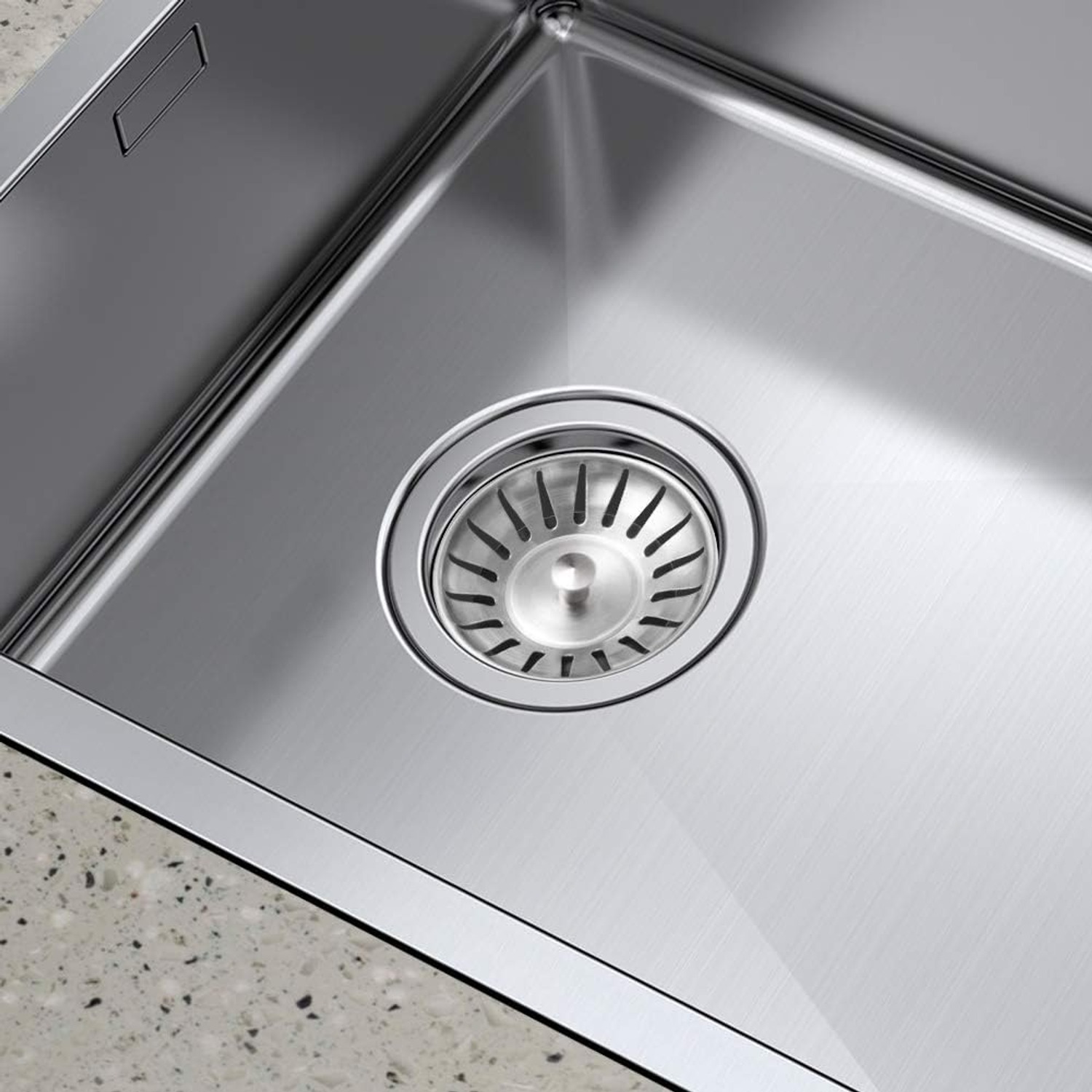
A sink strainer is the cheapest piece of plumbing insurance you can buy. It is a metal basket that sits in the plughole and separates liquid from solid. Water goes down. Everything else stays where you can see it, and you tip it in the bin. That is the whole idea, and it works.
How this one actually works
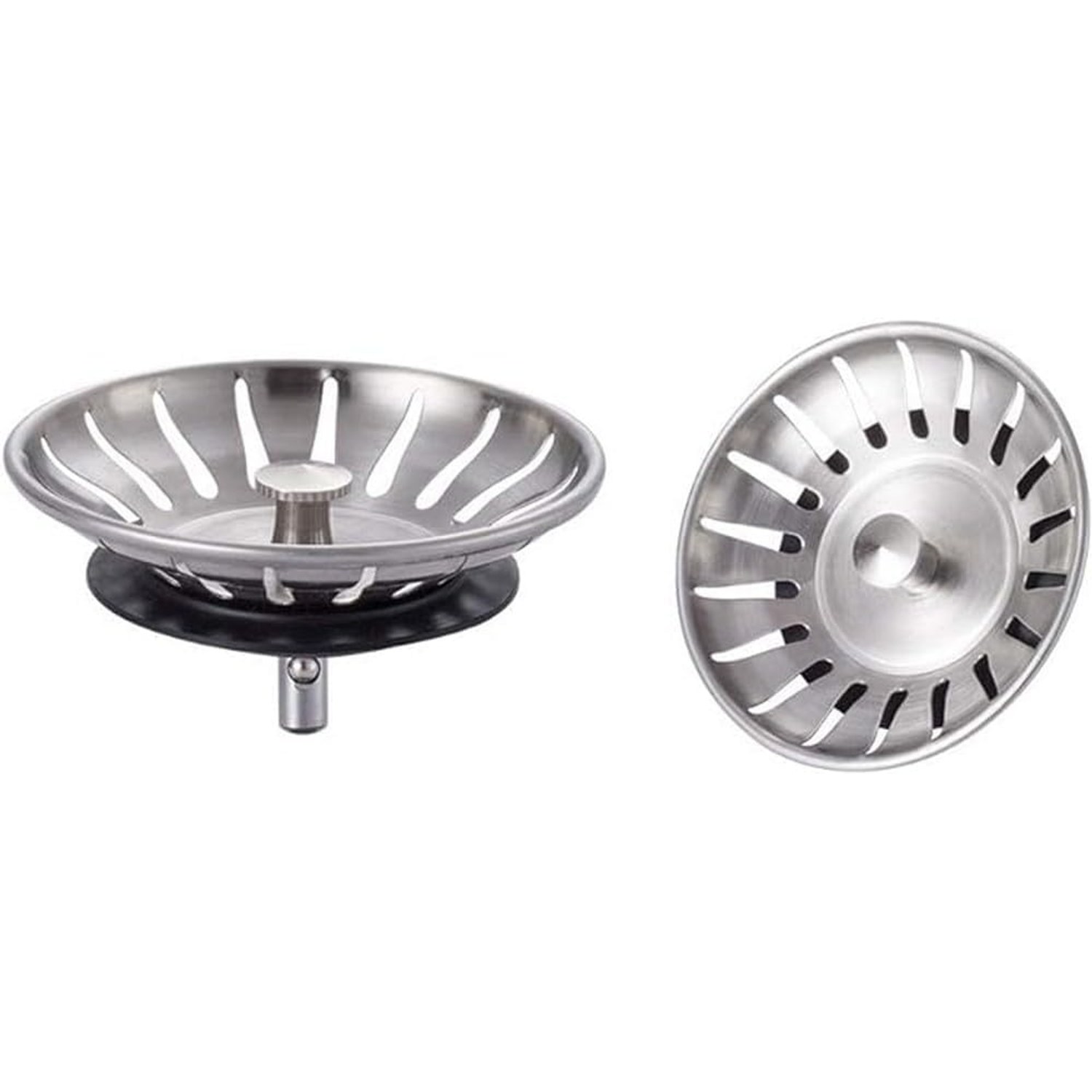
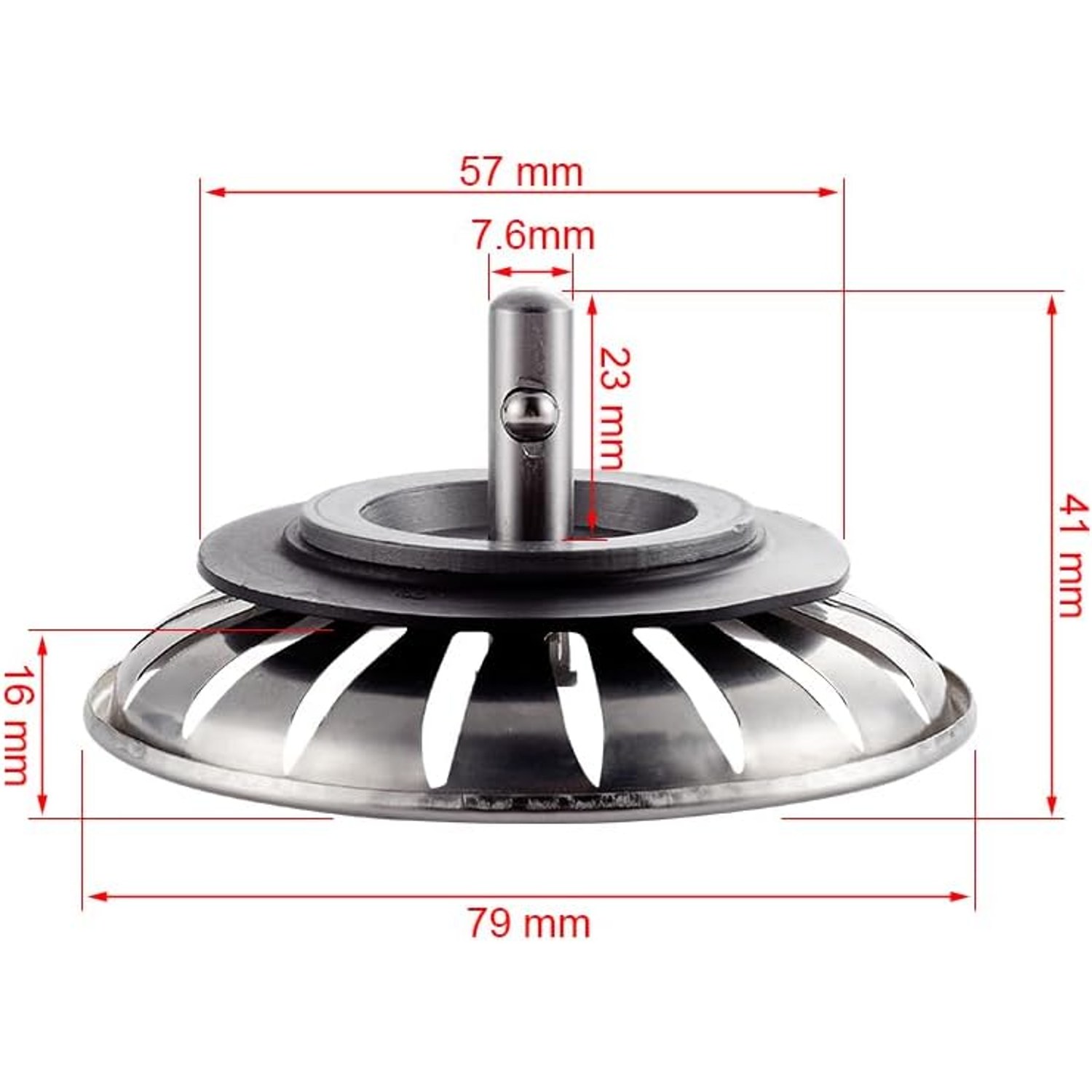
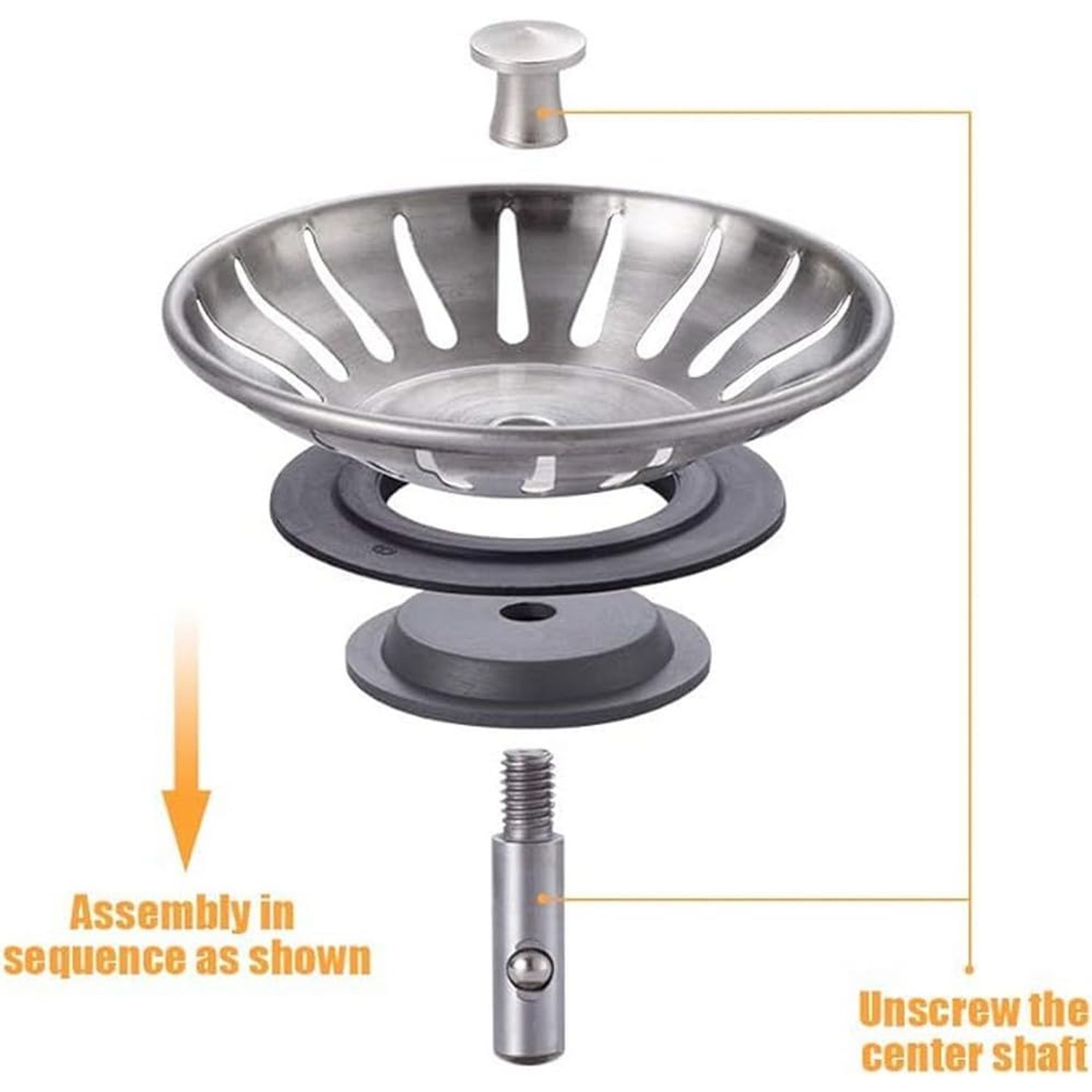
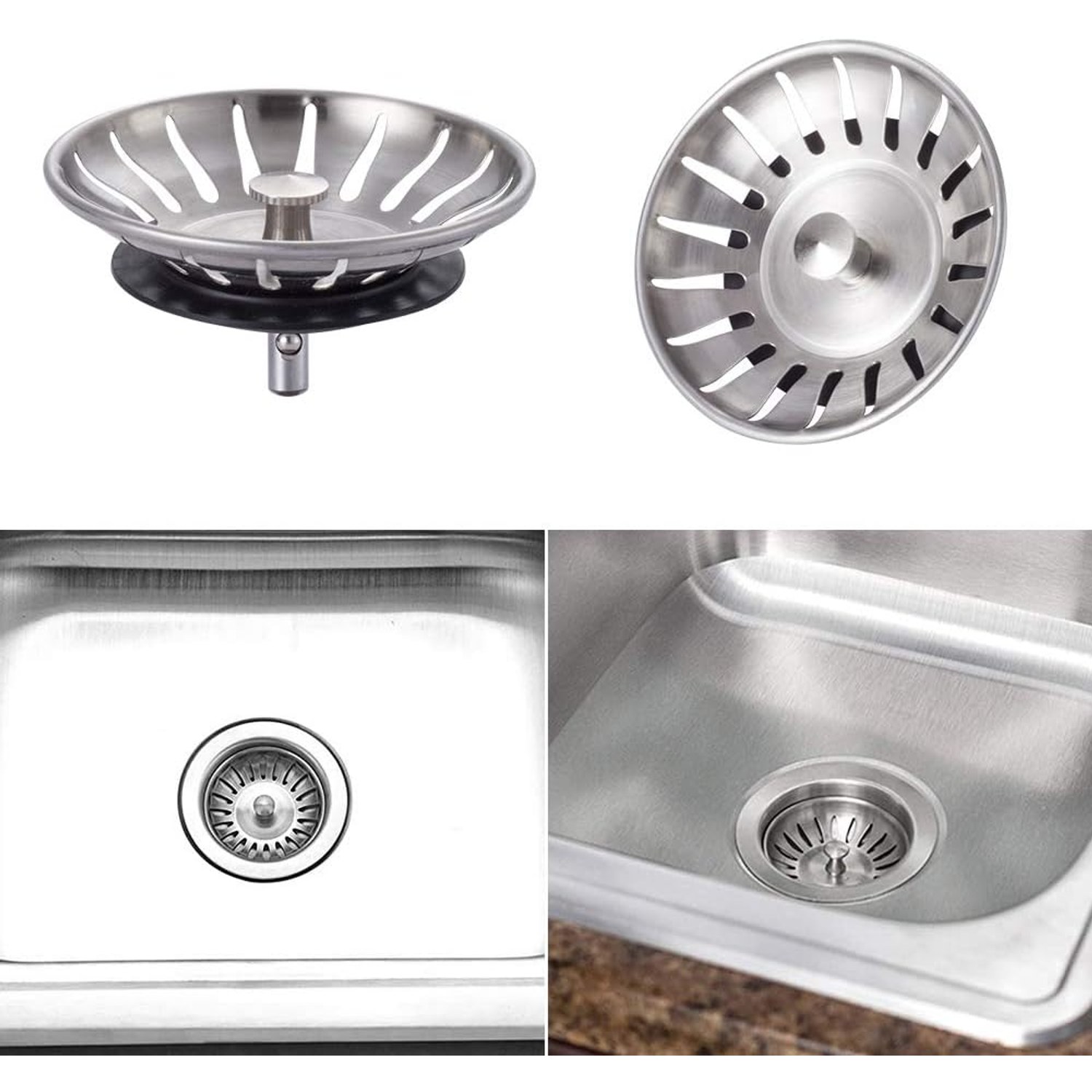
This is a drop-in strainer for a 78mm plughole. It is a single piece of stainless steel with a basket that sits 45mm deep in the waste and a rim that rests in the groove at the top. There is nothing to screw in, no seal to fit, and no tools involved. You lift out the old plug, give the seat a wipe, and put this one in.
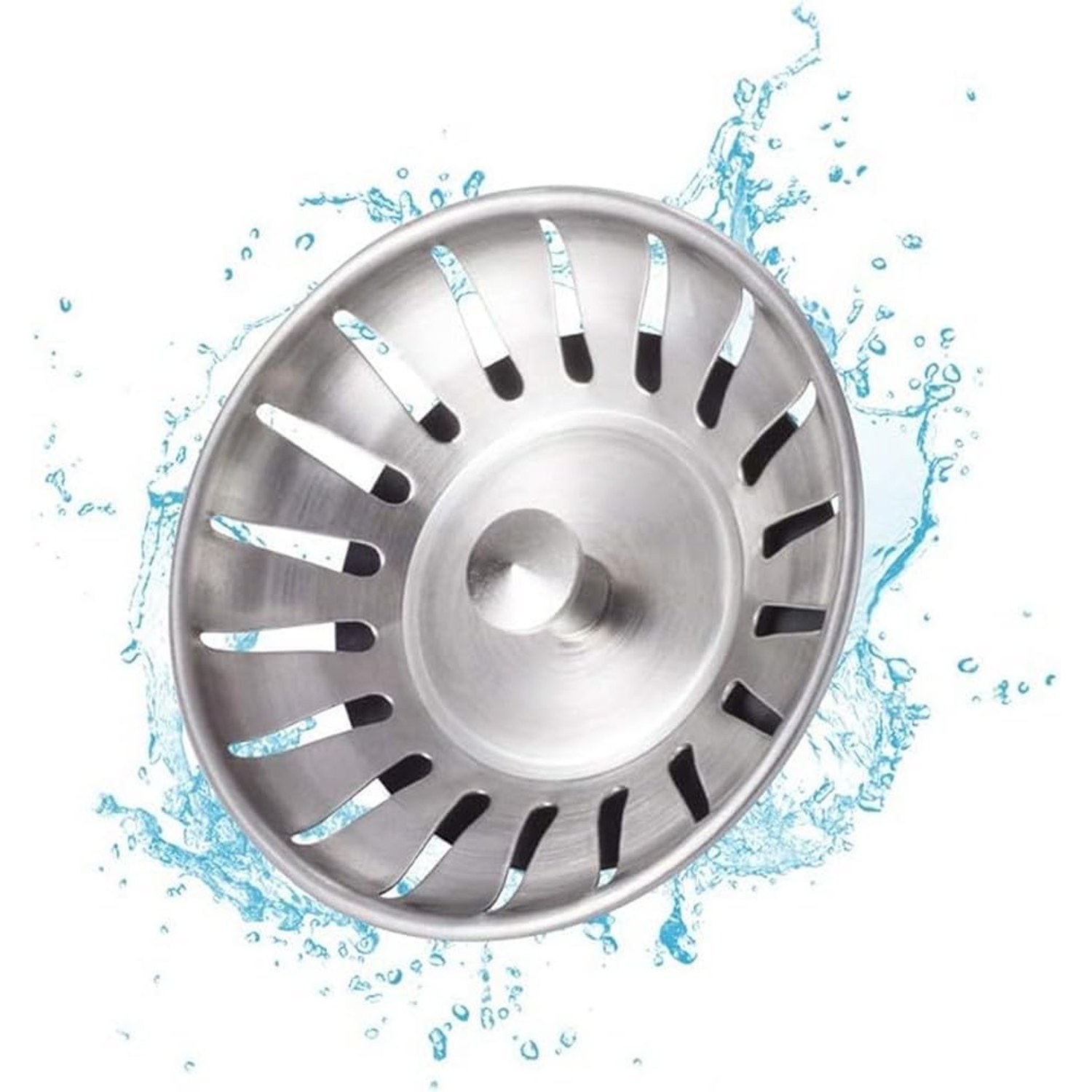
The base has 18 holes punched through it. That number matters more than you would think. Too few holes and the sink drains at a crawl, which drives people mad and makes them take the strainer out. Too many, or holes that are too fine, and you get a mesh that clogs with grease every other day. Eighteen openings is the sensible middle, fast enough that a full bowl clears properly, tight enough that peelings and tea leaves do not slip through.
The second job it does is act as a plug. Seat it square in the groove and it holds water in the bowl. That is useful more often than you expect. Soaking a roasting tin, washing wine glasses in warm water rather than under a running tap, rinsing vegetables in a filled sink. One piece, two functions, and nothing extra to lose in the back of a cupboard.
Because it is stainless steel, it copes with the environment it lives in. A sink waste is wet all day, gets hit with hot water, cold water, washing-up liquid and the occasional saucepan. Steel handles all of that. Plastic strainers go cloudy, crack at the rim and eventually snap. Steel just keeps going.
Who this suits
If your kitchen sink has a 78mm waste and currently has nothing in it, or has a tired strainer that has seen better days, this is a straight upgrade. That covers a very large number of standard kitchen sinks across most homes.
It suits households that cook properly, which is to say households that generate scraps. If you are chopping vegetables, draining pasta, rinsing rice or clearing plates into the sink, you are the person this is for. Households that mostly reheat things and eat off one plate will still benefit, just less dramatically.
It is also a good fit for utility rooms, laundry sinks and workshop basins, where grit, lint and odd debris head straight for the drain. A laundry sink plug that also strains is quietly useful, and having a spare in the pack means you can cover two rooms at once.
Who it does not suit is simple. If your plughole is 90mm or any other size, this will not work, no matter how good it is. Size is the whole game with sink wastes.
Getting the size right the first time
This is the only part that trips people up, so it is worth being careful.
Take out whatever is in your plughole now. Lay a tape measure or ruler across the opening, edge to edge, at the widest point. You are measuring the seat the strainer sits in, not the pipe below. Write the number down. If it comes out at or very near 78mm, you are good.
Common sizes are 78mm and 90mm, and the difference is obvious once you have measured. If you are between sizes, measure again at a different angle, because older sinks can wear slightly oval. Do not guess from a photo. A strainer that is a few millimetres too small will sit loose and let scraps past the edge, and one that is too large simply will not seat.
If you are replacing an existing strainer, the easiest check is to measure the old one across its rim. That tells you what your sink was built for.
Living with it day to day
Use is straightforward. Leave it in the plughole and let it do its work. When you have finished the washing-up, lift it out by the rim, tip the contents into the bin, and give it a rinse under the tap.
That habit is the difference between a strainer that helps and one that annoys you. Scraps left sitting in a warm damp basket overnight will smell, and that smell will get blamed on the sink. Thirty seconds after each wash-up and the problem never starts.
For cleaning, warm water and washing-up liquid on a sponge handles almost everything. Grease builds up slowly around the holes, and a soft brush clears it. If you live in a hard water area you will see limescale film forming on the steel after a few weeks. A soak in warm soapy water loosens it, then a gentle scrub brings the finish back.
What to avoid is steel wool, scouring powder and long soaks in bleach. Abrasives scratch the surface, and those scratches hold dirt. Bleach left sitting on steel can pit it. Neither is necessary when soap and warm water work fine.
The manufacturer describes it as hand washable, so stick with hand washing rather than putting it through a dishwasher cycle.
What a strainer can and cannot fix
Be realistic about what you are buying. A strainer stops solids. It is very good at that.
It does nothing about fat and oil, because those go down as liquid and set hard somewhere cooler in your pipework. That is a separate habit to build. Pour cooled fat into a jar or an old tin and put it in the bin. Wipe greasy pans with kitchen roll before they go near the sink.
It also does not fix a drain that is already partly blocked. If your sink is draining slowly today, clear that first with hot water and a plunger, or a proper drain cleaner if needed. Then fit the strainer and keep it clear from there on.
Think of it as prevention, not a cure. Fitted and emptied regularly, it stops the problem forming in the first place, which is the only version of drain maintenance anybody actually enjoys.
Why two in a pack is the right call
A single strainer would be cheaper, but it would also be slightly frustrating. Double-bowl sinks need two. Lots of homes want one in the kitchen and one in the utility room. And small metal objects that live by a sink have a habit of going missing, usually into a bin bag with the potato peelings.
Having the second one in a drawer means a lost strainer costs you nothing more than the walk to the kitchen. For a part that protects your plumbing, that is sensible redundancy rather than upselling.
The short version
If your kitchen sink has a 78mm waste, this two pack is an easy fix for a problem you probably have and have not dealt with yet. Stainless steel so it lasts, 18 holes so it drains fast, a 45mm basket so it holds a proper amount, and it doubles as a plug so you can fill the sink when you want to.
Measure your plughole first. Everything else about this is simple.