
The complete guide
How To Replace The Cover On A 90mm Shower Waste
The small part that lets a shower down
You can scrub a shower tray until it shines and it will still look tired if the cover on the waste is dull, pitted or cracked. That little disc in the middle of the tray gets a hard life. Feet land on it. Shampoo, conditioner and cleaning spray sit on it. Hair wraps around it.
Sometimes it does not wear out at all. It simply goes missing. Somebody lifts it off to clear the hair, puts it on the edge of the bath, and it is never seen again. Then the waste sits open, hair goes straight down, and small things like razor caps follow it.
In both cases the fix is the same, and it is a small one. The waste under the tray is usually perfectly sound. You only need a new top.
What is in the pack
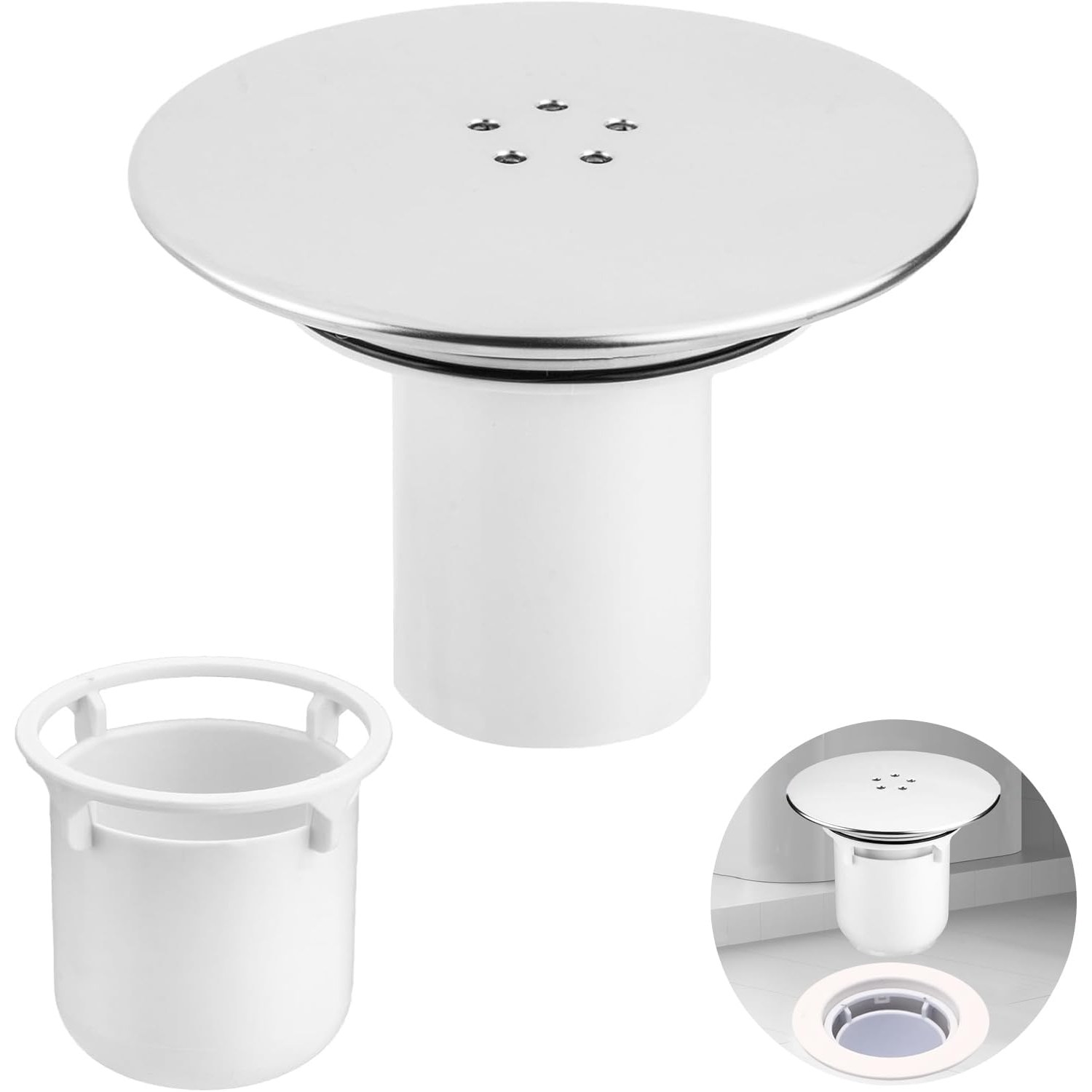
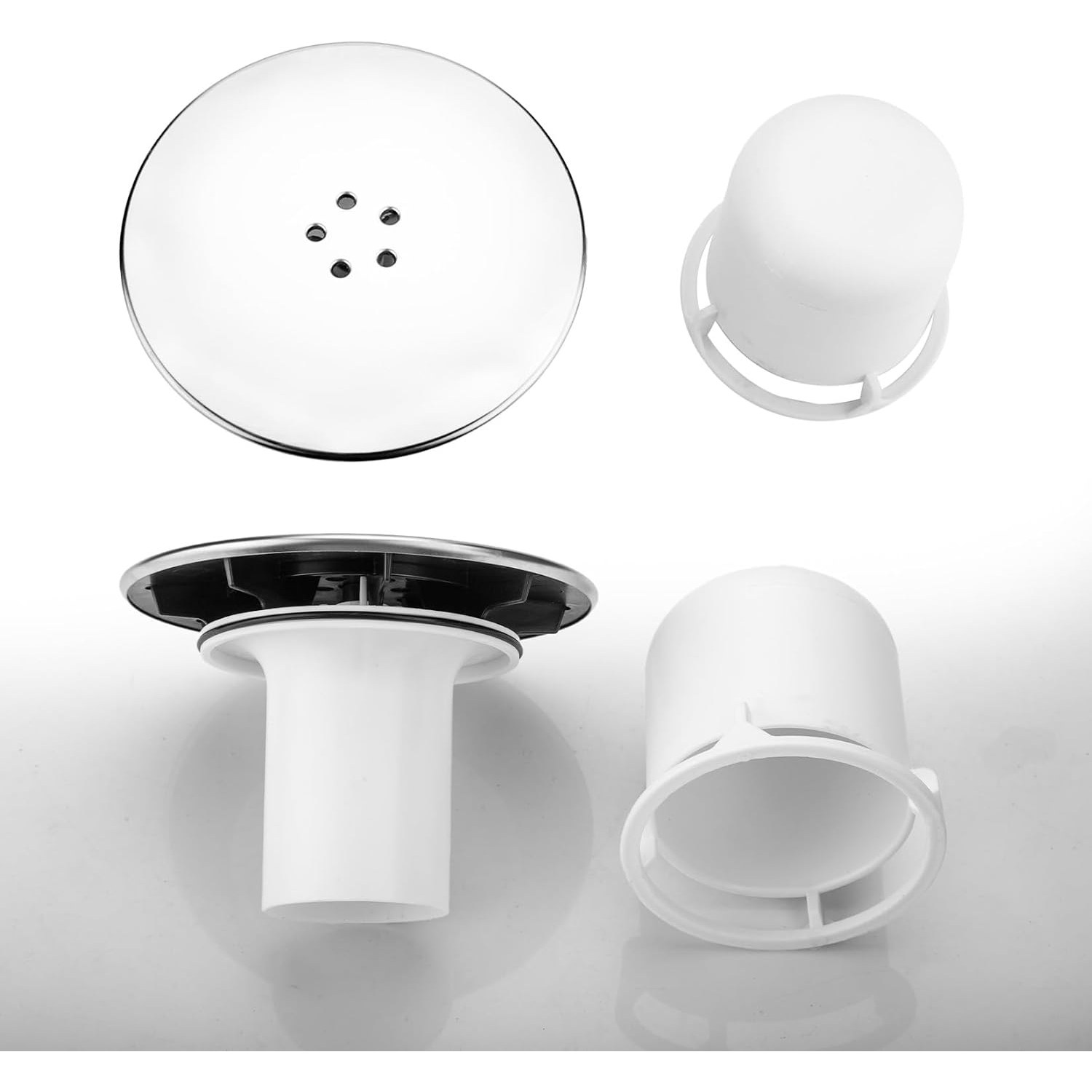
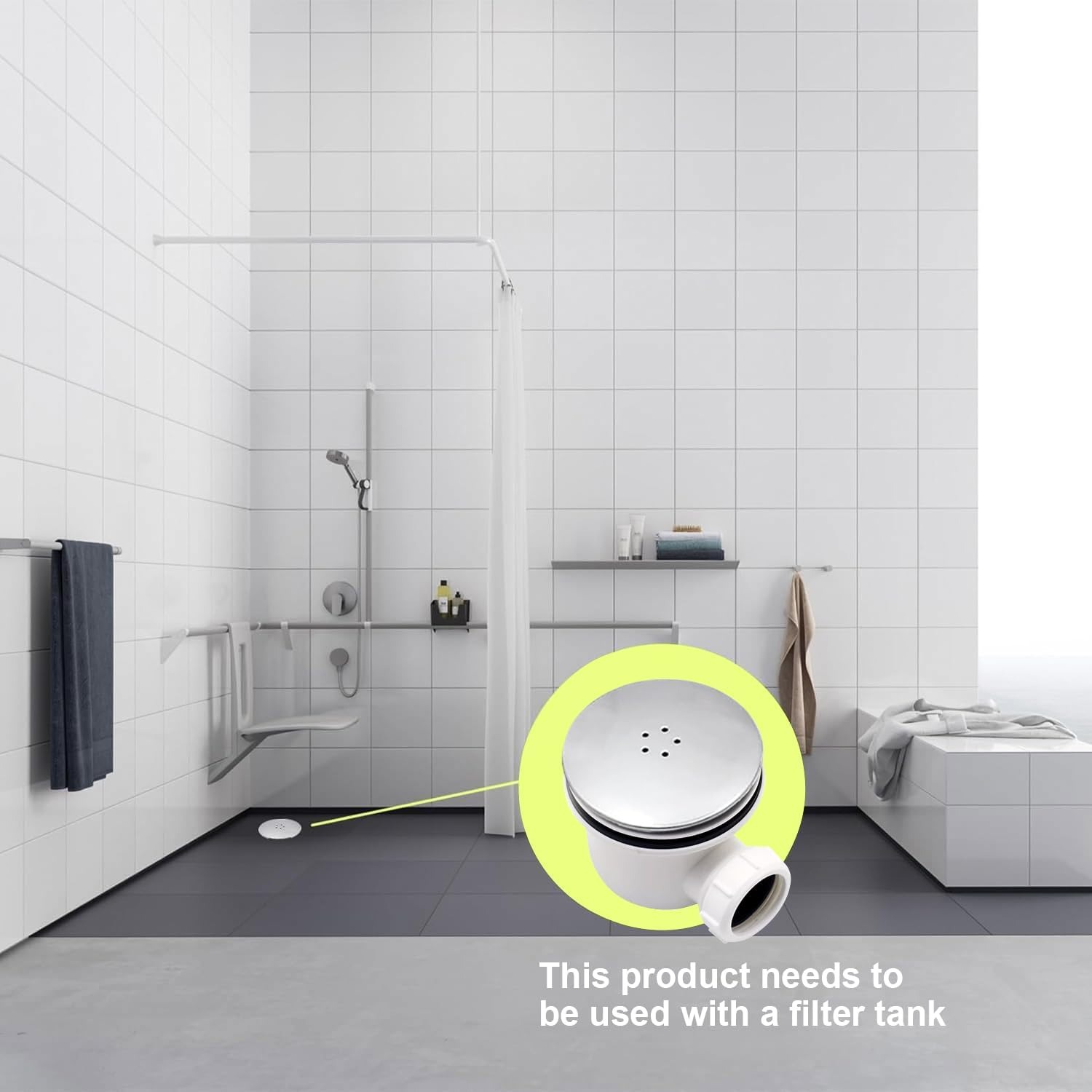
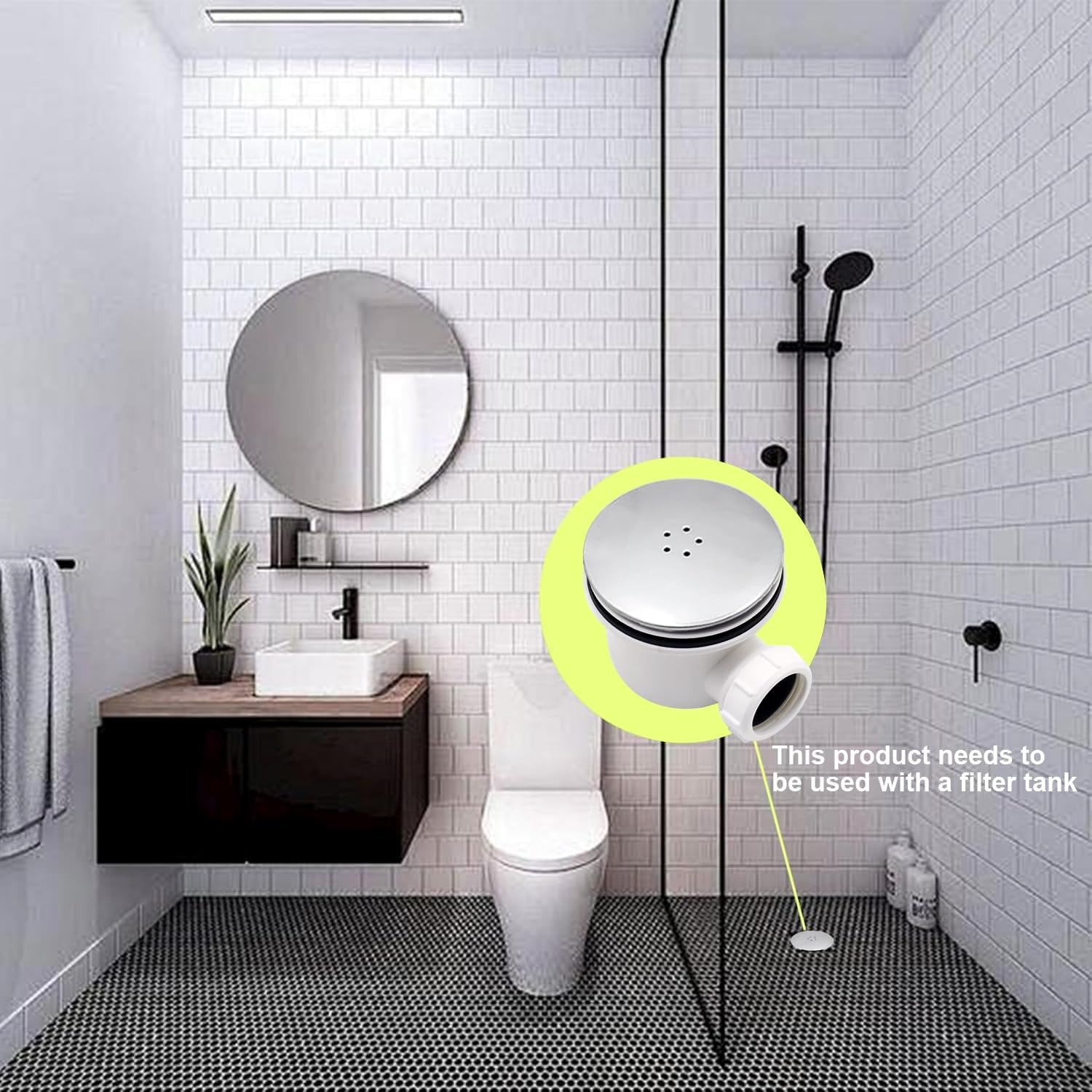
You get two pieces. One shower drain cover and one white dip cup.
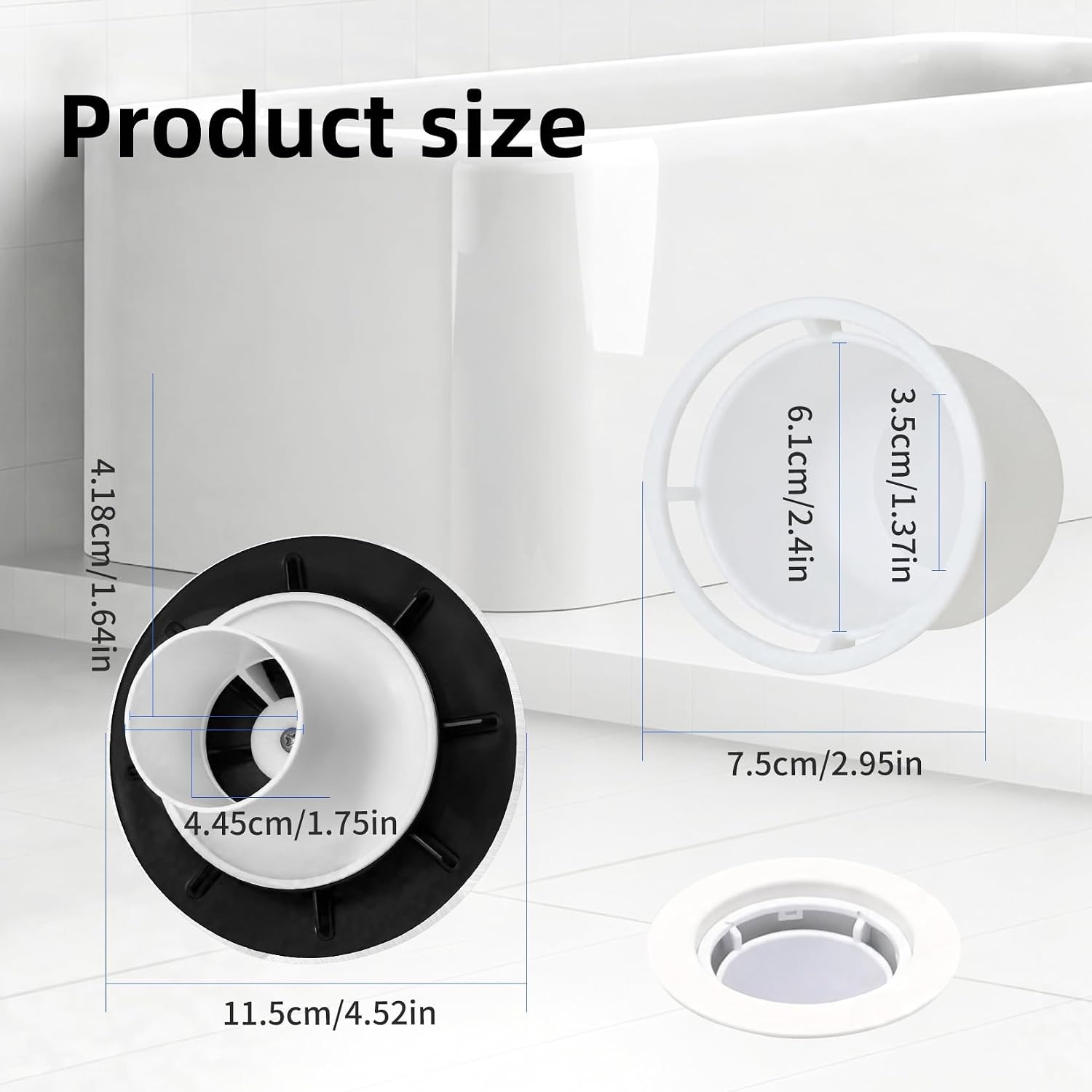
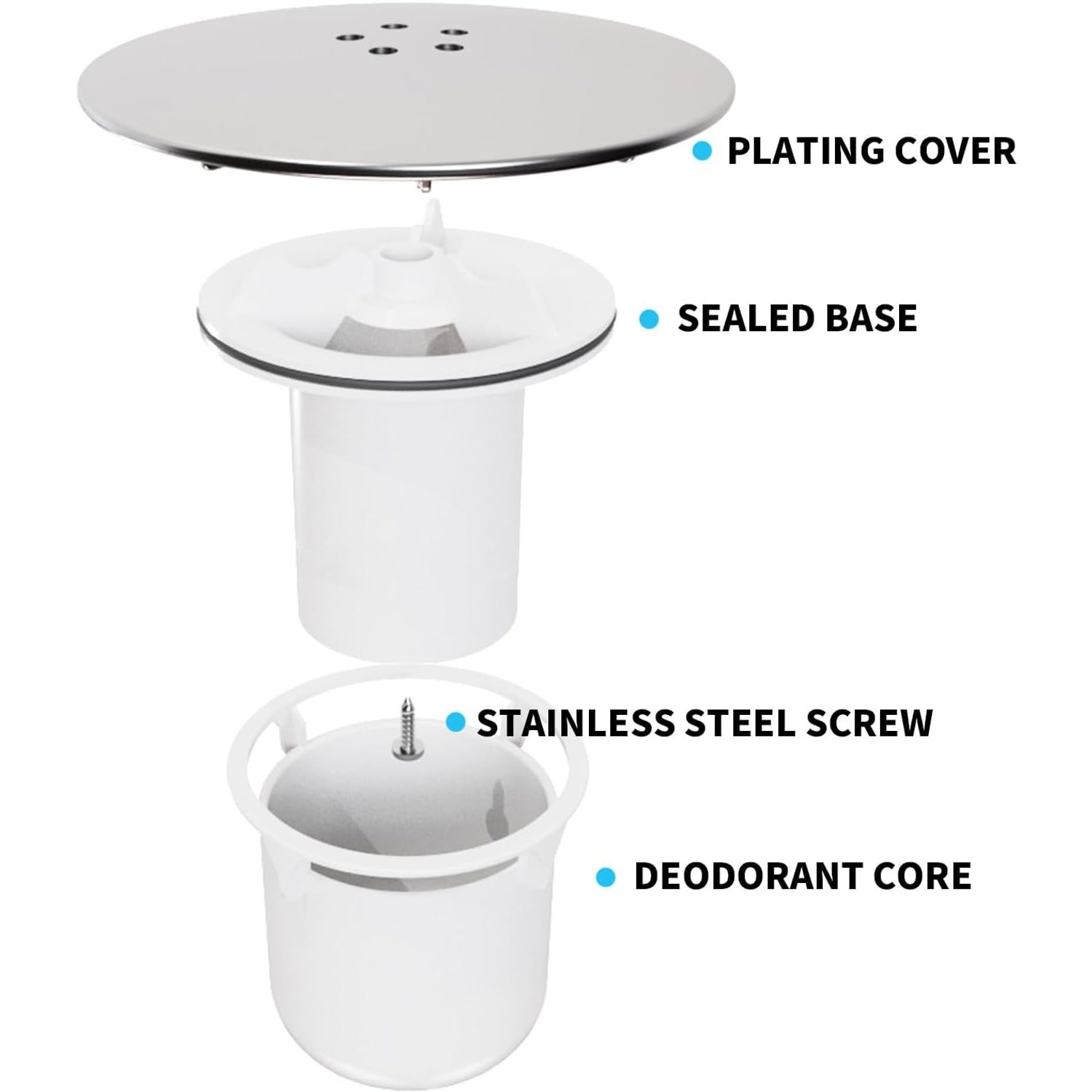
The cover has a diameter of 95mm. The maker describes it as electroplated, in a silvery colour with a polished finish. The sealing base and the body are described as polypropylene, a tough plastic often shortened to PP. The maker's notes also mention stainless steel without saying which part that refers to, so the exact metal under the plating is not stated.
The surface of the cover has small, close-set holes. Water drains through them. Hair and other debris are held back.
The maker lists the cover as removable, which is what you want. A waste top that cannot be lifted is a waste that cannot be cleaned.
The stated item dimensions are 11.5 x 9.5 cm. The maker does not explain which parts those two numbers measure. The weight is not stated.
What is not in the pack matters as much. There is no waste body and no pipe. This is a replacement part for a waste that is already fitted in your tray.
What the dip cup does
If you have never taken a shower waste apart, the dip cup may be new to you.
Lift the cover off most shower tray wastes and you will find a small cup sitting in the middle. That is the dip cup. Water runs over and around it on its way to the pipe, and the cup lifts straight out so you can clean inside the waste from above.
Because of where it sits, the dip cup collects everything. Hair that slips through the cover ends up wound around it. Soap scum coats it. After a few years a dip cup can be so caked that the shower drains slowly, and old ones sometimes crack.
That is why it is useful to get a new one with a new cover. You replace the two parts that do the dirty work and leave the remainder of the waste alone.
Getting the size right
Shower wastes come in more than one size, and the tops are not interchangeable. Two measurements will tell you if this one suits.
First, the hole in the tray. Lift off the old cover and measure straight across the opening. This cover is made for trays with a 90mm waste hole.
Second, the old cover. Measure across it. It should be about 95mm, a little wider than the hole so that it sits over the opening. If your old cover is nearer 110mm, you have a larger waste. The maker offers a 110mm size as a different item, and this 95mm one will not suit.
There is a third check, and it is the one people miss. Wastes with a 90mm hole are not all made the same way inside. The shape of the body and the dip cup differ from one design to another. The maker asks buyers to compare the pictures with their own waste before ordering, and that is sound advice. Look at how your old top sat in place and at the shape of your old dip cup, and compare them with the photos.
If the old cover has been lost, measure the hole and look at the inside of the waste instead.
Why not leave the waste open
When a cover goes missing, some people shrug and carry on without one. It is worth a moment to see why that is a poor idea.
An open waste takes everything. Hair goes down in full lengths instead of being held at the top. So do razor caps, bottle lids, hair ties and the plastic seals off shampoo bottles. Hair alone will slow a trap in a few weeks. A hard object lodged in the trap can stop it altogether, and getting it out may mean lifting the dip cup with pliers or calling someone in.
There is a comfort point too. An open 90mm hole in the middle of a tray is not pleasant to stand on, and it looks unfinished. A shower tray waste cover costs little next to the trouble it prevents.
Swapping it over
For a top that lifts off, this is a job of a few minutes.
Put on rubber gloves. Lift off the old cover. Lift out the old dip cup, which will probably bring a wad of hair with it. Have kitchen paper and a bag ready.
Now clean the inside of the waste while it is open. Wipe round the walls with kitchen paper, then wash them with an old toothbrush and warm soapy water. This is the part that gets rid of the smell that many showers have.
Drop the new dip cup in so that it sits squarely. Set the new cover on top. The exact fixing method is not stated by the maker, so let the photos guide you. Run the shower for a minute and watch that the water drains freely.
Keep the old cover until you are happy with the new one.
A word on where the hand job ends. Changing a cover and a dip cup does not touch the plumbing. Replacing the waste body or the trap beneath the tray does, because it means altering fixed pipework. That is a job for a qualified plumber, and the Irish Building Regulations apply to drainage work.
Keeping it clean
A new top stays looking new if you treat the finish gently. Wash the cover with warm soapy water and a soft cloth. Avoid scouring pads, wire wool and abrasive cream cleaners, because they scratch plated surfaces. Do not leave it soaking in bleach.
After each shower, wipe the hair off the cover. It takes five seconds and it keeps the holes clear.
Every two to four weeks, lift the cover and take out the dip cup. Pull off the hair, wash the cup, wipe the inside of the waste and put it all back. In a house with long hair, do it more often. The hair goes in the bin.
We do not recommend chemical drain cleaners. They are harsh on skin and eyes and can be hard on finishes. A waste that is cleaned by hand does not need them.
When it is more than the cover
A new top will not cure every shower problem, so it helps to know the signs.
If the shower drains slowly and cleaning the dip cup makes no difference, the blockage is lower down, in the trap or the pipe. A plastic hair hook fed through the waste often brings it up. If that does not work, call a plumber.
If water marks appear on the ceiling below, or the tray moves when you stand on it, a new cover is not the answer. Stop using the shower and get a plumber in.
If several fittings in the house are slow together, the trouble is in the main drain. If it is in a public sewer, contact Uisce Éireann or your local authority.
The short version
The top of a shower waste wears out or goes missing long before the waste itself fails. Replacing the top is quick and cheap.
This pack gives you a silvery 95mm cover with a polished, electroplated finish and a white dip cup. It is for shower trays with a 90mm waste hole. The waste body and pipe are not included.
Measure the hole and the old cover. Compare your waste with the photos. Then lift out the old parts, clean the waste, and drop the new ones in.