
The complete guide
How To Choose A Bath Drain Hair Catcher That Actually Works
The problem nobody notices until the water stops going down
A blocked bath drain never happens suddenly. It builds. One shower leaves a few long strands in the pipe. The next one adds more. Conditioner, shampoo, and soap coat the strands into a sticky rope, and that rope grabs everything that follows. Months later you are standing ankle deep in grey water wondering what changed.
Nothing changed. It was always heading that way.
The frustrating part is how simple the fix is. Hair is big and visible at the moment it leaves your head. It is only a problem once it is out of sight, somewhere in a bend of pipe you cannot reach without tools. Catch it at the drain opening and the whole chain never starts. That is all a bath hair trap does, and it is the reason a small piece of steel can save you a plumber's call-out fee.
How a pop up bath plug hair catcher works
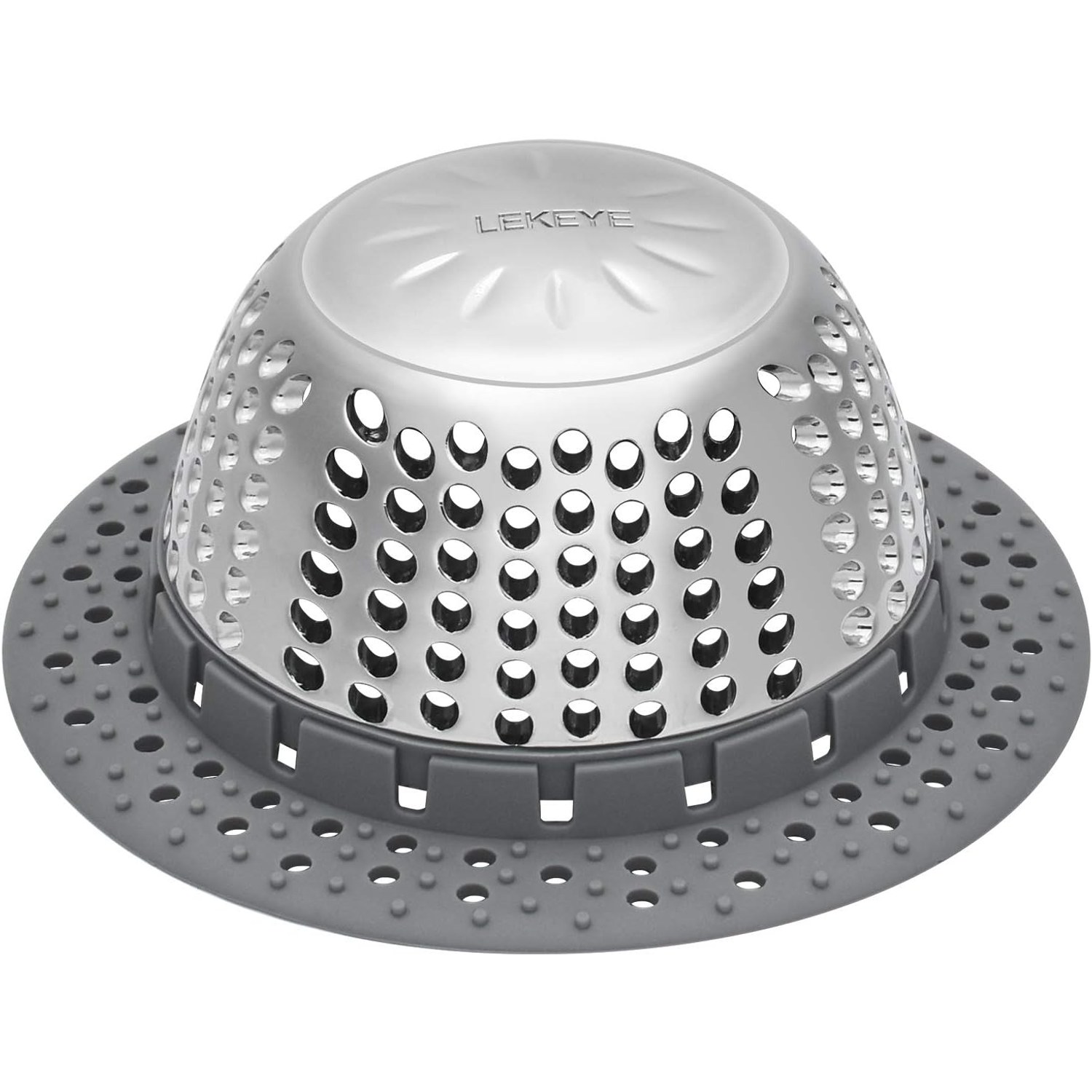
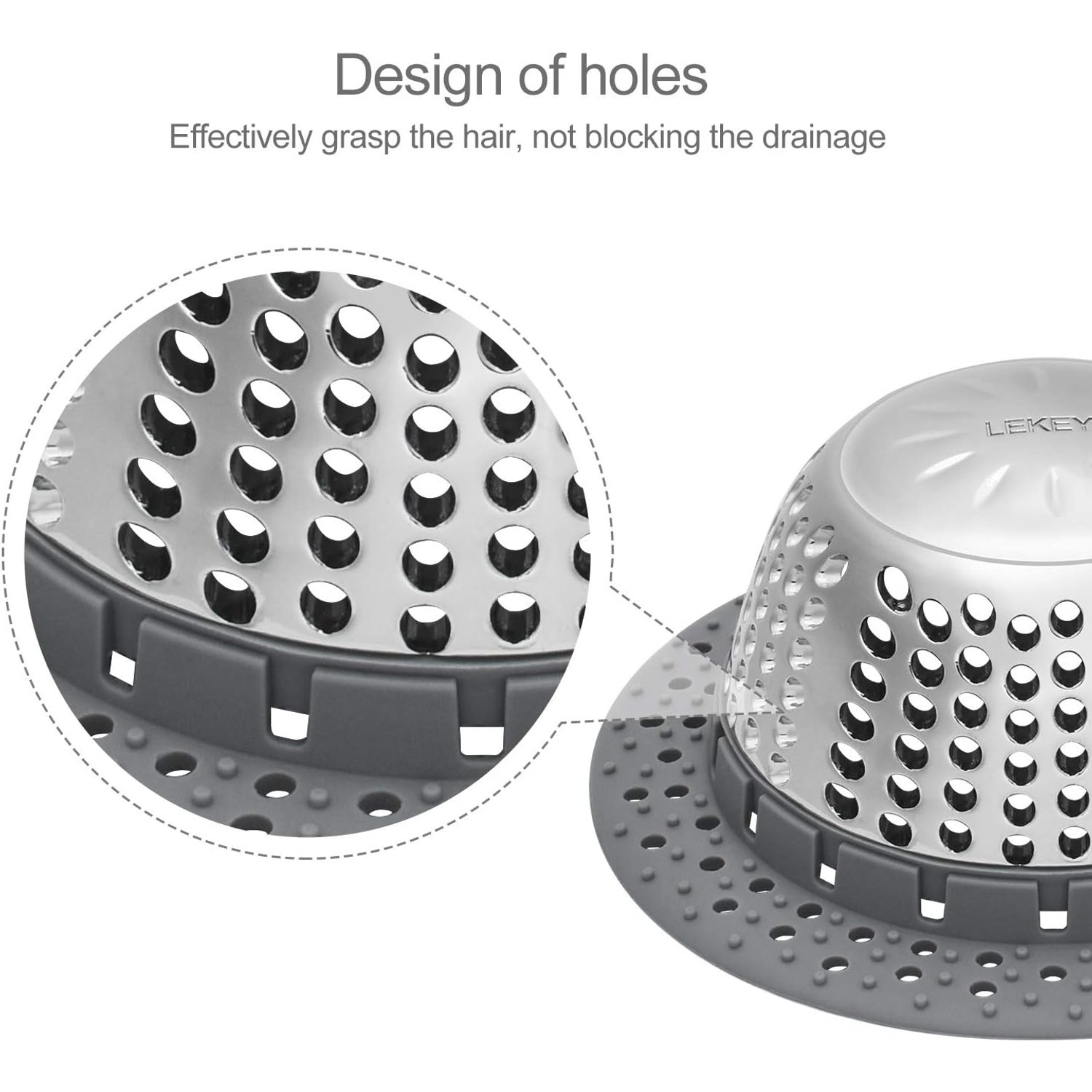
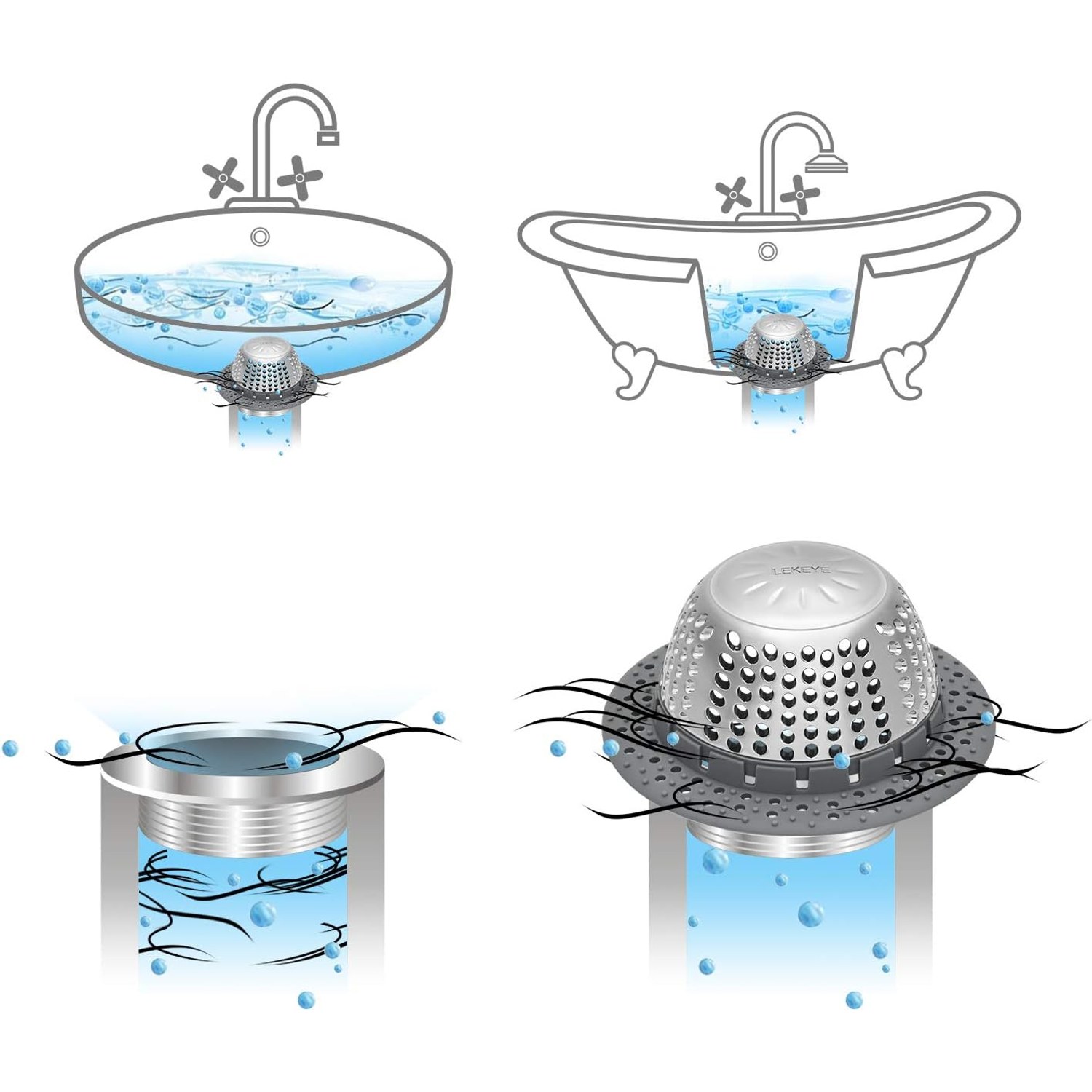
The principle is old and uncomplicated. You put a screen with small openings over the drain. Water, which is made of very small molecules, goes through without any trouble. Hair, which arrives as long strands, does not. It catches on the edges of the openings and sits there on top.
What separates a good hair catcher from an annoying one is the shape. A flat disc works fine for about two showers, then the hair forms an even mat across the surface and the water starts to pool. A domed shape buys you much more time. Hair collects around the sides while the top of the dome stays clear, so water keeps finding a route down even when the catcher is already working hard.
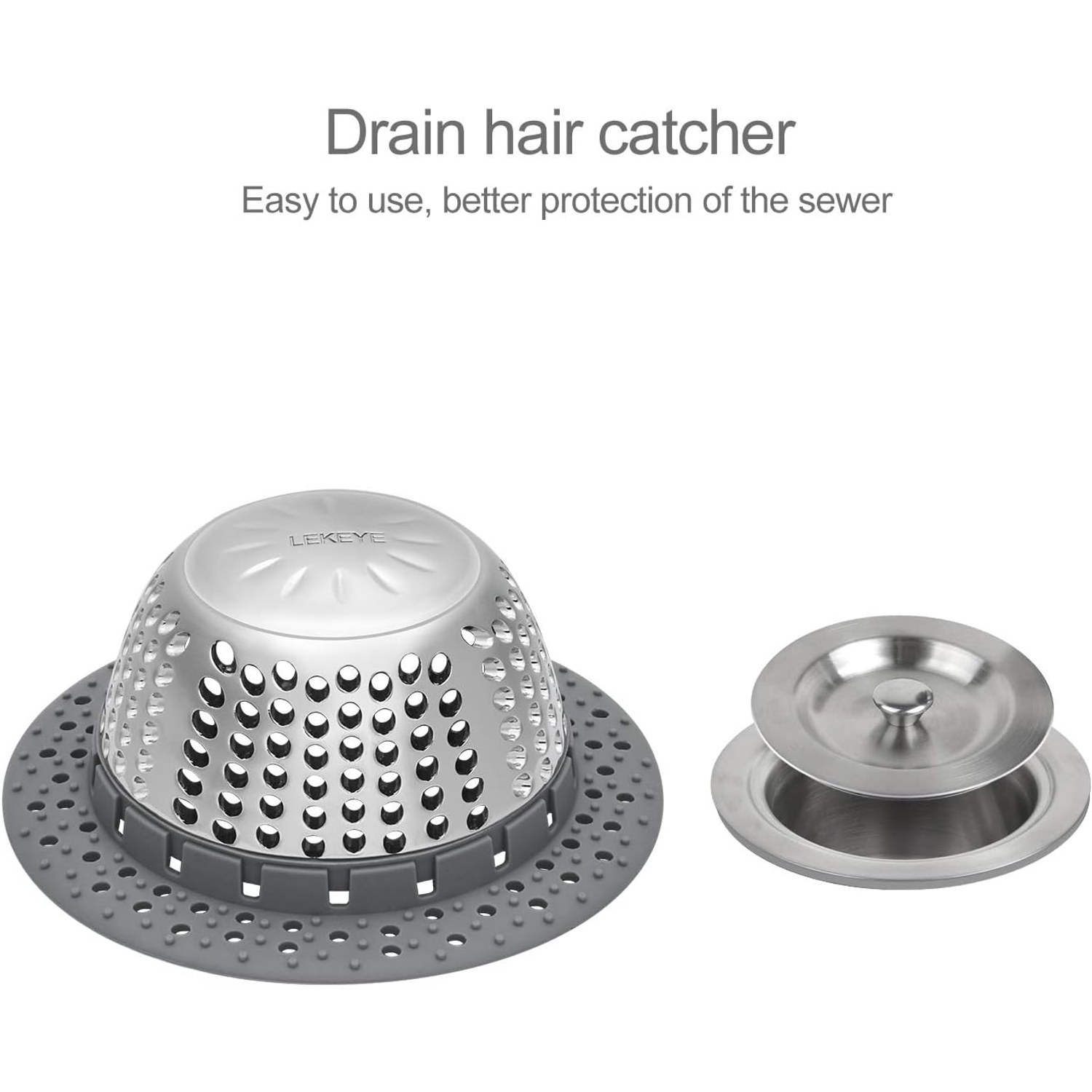
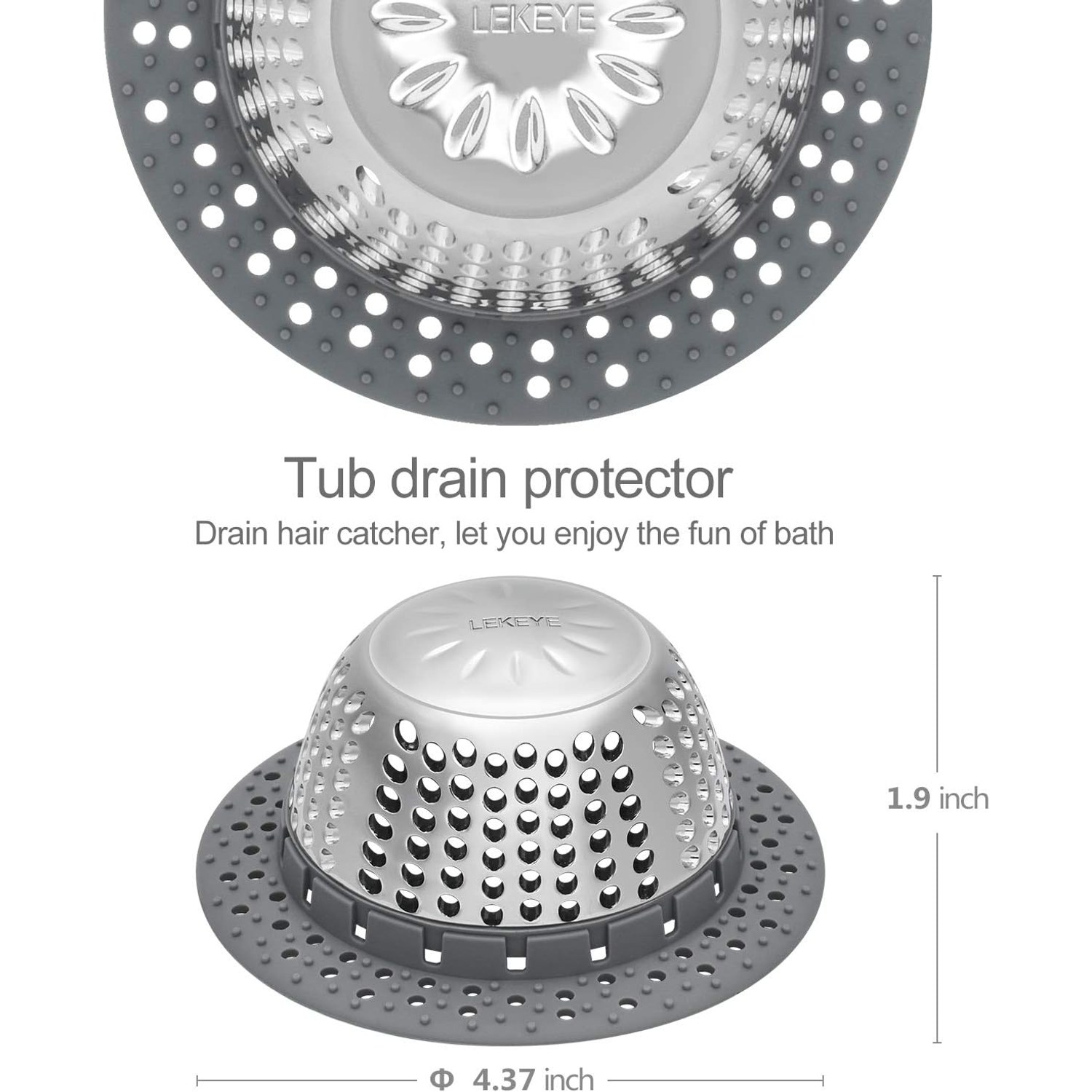
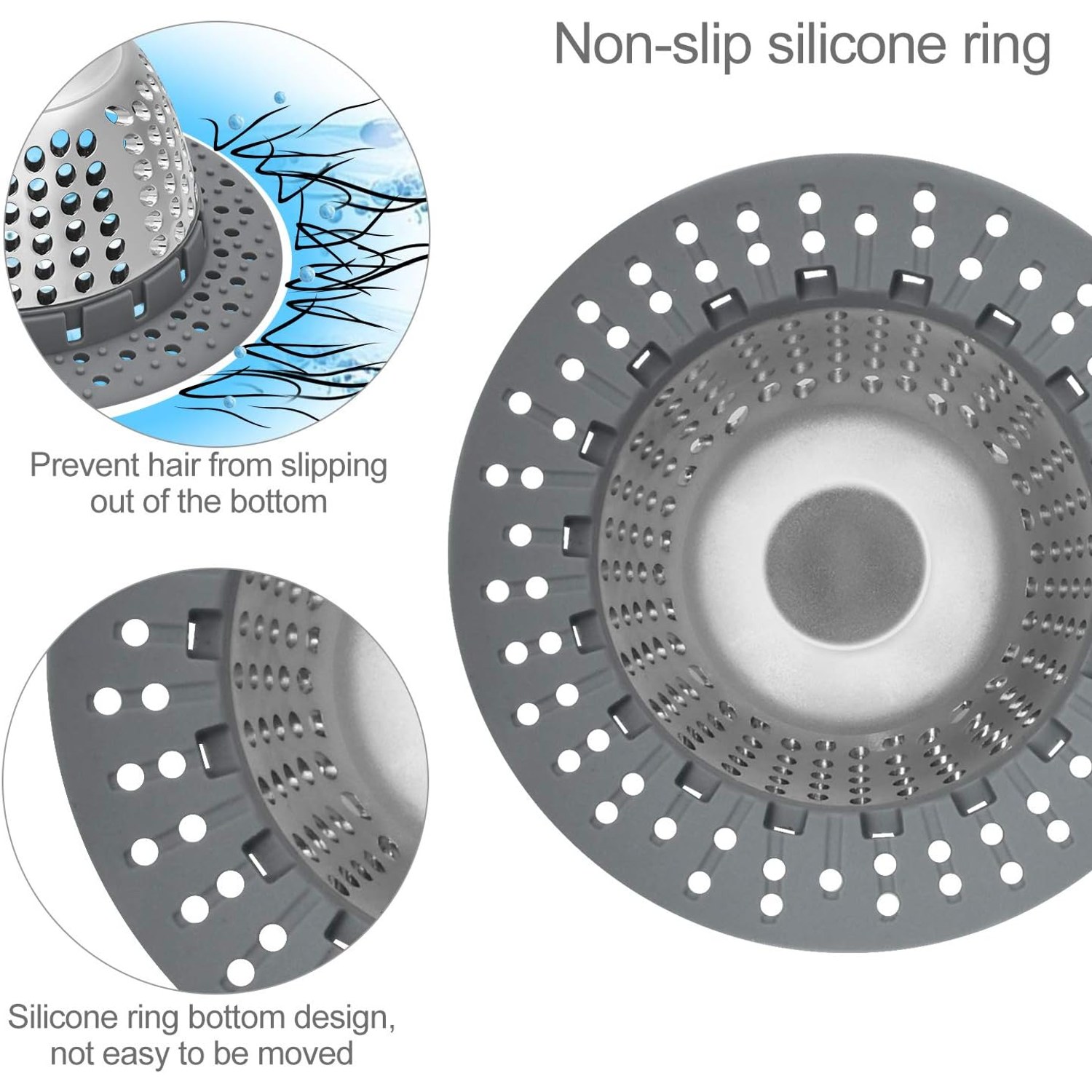
This unit is 4.8 cm tall against a width of 11.1 cm, which gives it that raised profile rather than a flat one. It is built in two stainless steel parts that press together by hand. The basket has a lifted handle, so when it is time to empty it you have something to grip instead of pinching a slimy edge with your fingertips.
There is no installation. Nothing gets unscrewed, nothing gets glued, and your existing pop-up plug mechanism stays exactly as the plumber left it. That matters more than people expect, especially in a rental where you are not supposed to modify fittings.
Who this suits
Households with long hair feel the benefit fastest. If one or two people in the house have hair past their shoulders, a drain can go from fine to sluggish in a matter of weeks. A removable drain hair catcher turns that from a plumbing problem into a ten second chore.
Families with small children get a second benefit. Bath toys, bottle lids, hair clips, and small plastic bits have a habit of finding the drain. A screen over the opening stops all of it. Anyone who has fished a Lego brick out of a waste pipe will understand why that is worth something.
Renters are another obvious group. You cannot start swapping out drain fittings in a property you do not own, and you really do not want to be the tenant who caused a blockage. Something that drops in and lifts out leaves no trace.
Then there is the plain practical case. If you already know your pipes run slow, catching hair at the surface stops the existing build-up getting worse while you deal with it properly.
What to look at when comparing options
Material comes first. Most cheap strainers are moulded plastic. They work on day one. By month six the hot water has warped them, the edges have gone brittle, and the finish has yellowed. Stainless steel does not do any of that. It stays the same shape and the same colour through years of hot water and soap. A stainless steel hair catcher costs more up front and then stops being a recurring purchase.
Size is the thing people get wrong. Drain openings vary more than you would think. Measure the diameter of your drain before you order anything. This unit has an 11.1 cm width, which covers most standard bath and shower drains, but five seconds with a tape measure beats a return.
Check the fit style. Some catchers are designed to drop into the drain hole itself, which only works with certain fittings. Others, like this one, sit over the top. A drain protector for pop up plugs needs to clear the raised plug mechanism rather than fight with it, and that is the specific job this shape was designed for.
Think about cleaning before you buy. A hair catcher that is a nuisance to empty is a hair catcher that sits under the sink. Two parts that come apart by hand, plus a handle you can grip, makes the difference between a habit and a good intention.
Weight matters a little. At 122 g this one has enough heft to stay put as water drains past it. Very light plastic versions tend to lift and shift, which defeats the point.
Getting it into the routine
The routine is short. After a bath or shower, lift the catcher, tip the hair into the bin, rinse it under the tap, and set it back over the drain. Done properly it takes less time than drying your hands.
Once a week or so, give it a proper wash. Warm water, a drop of washing-up liquid, and a soft brush will shift the soap film that builds on any bathroom surface. Dry it with a cloth afterwards and the polished steel stays bright instead of picking up water marks.
Things to avoid: steel wool, scouring powder, and long soaks in bleach. None of those are kind to a polished finish, and none of them are necessary. Soap and water handle it.
One small tip. Keep a small bin within arm's reach of the bath. The main reason people stop emptying a hair catcher is that there is nowhere convenient to put the hair, so they leave it and then leave it again. Solve that and the habit sticks.
A few honest limitations
This is a hair catcher, not a drain cleaner. If your pipes are already partly blocked, putting a screen on top will stop things getting worse but it will not clear what is already down there. Deal with the existing blockage first, then fit the catcher to keep it from coming back.
It also does not seal. If you want to fill the bath for a soak, you still use your plug as normal. The catcher is about what happens when the water goes out, not when it stays in.
And it only works if you empty it. A full hair catcher is a blocked drain with better lighting. The upside is that you can see the problem the moment it appears, which is exactly the point.
The short version
Hair causes most bath drain blockages, and hair is easy to stop at the surface. A domed stainless steel screen over the drain catches strands and small objects while water keeps running through. This one is 11.1 cm wide and 4.8 cm tall, weighs 122 g, needs no tools, and comes apart by hand for cleaning.
Measure your drain, drop it in, and empty it after each use. That is the whole system. It is an unglamorous purchase that quietly prevents one of the more unpleasant jobs in the house.