
The complete guide
How to Choose the Right Click Clack Basin Plug
The small fitting that ruins a good basin
Nobody shops for a basin plug because they are excited about basin plugs. You end up here because something stopped working. The rubber bung went hard and stopped sealing. The chain snapped at the link nearest the plug, the way it always does. Or the pop-up stopper that came with the vanity started sticking halfway, so the basin either will not hold water or will not let it go.
It is a tiny part of the bathroom, and it has an outsized effect on how the room feels. A basin with a plug that works, sits flush and looks clean reads as a tidy bathroom. A basin with a crusty rubber plug lying on its side next to the tap reads as a job half done, even if everything else in the room is new.
That is the gap a click clack basin plug fills. Press it once and it seals. Press it again and the water goes. Nothing dangles, nothing has to be fished out of the water, and there is no linkage hidden behind the basin waiting to go out of adjustment.
How the click clack mechanism works
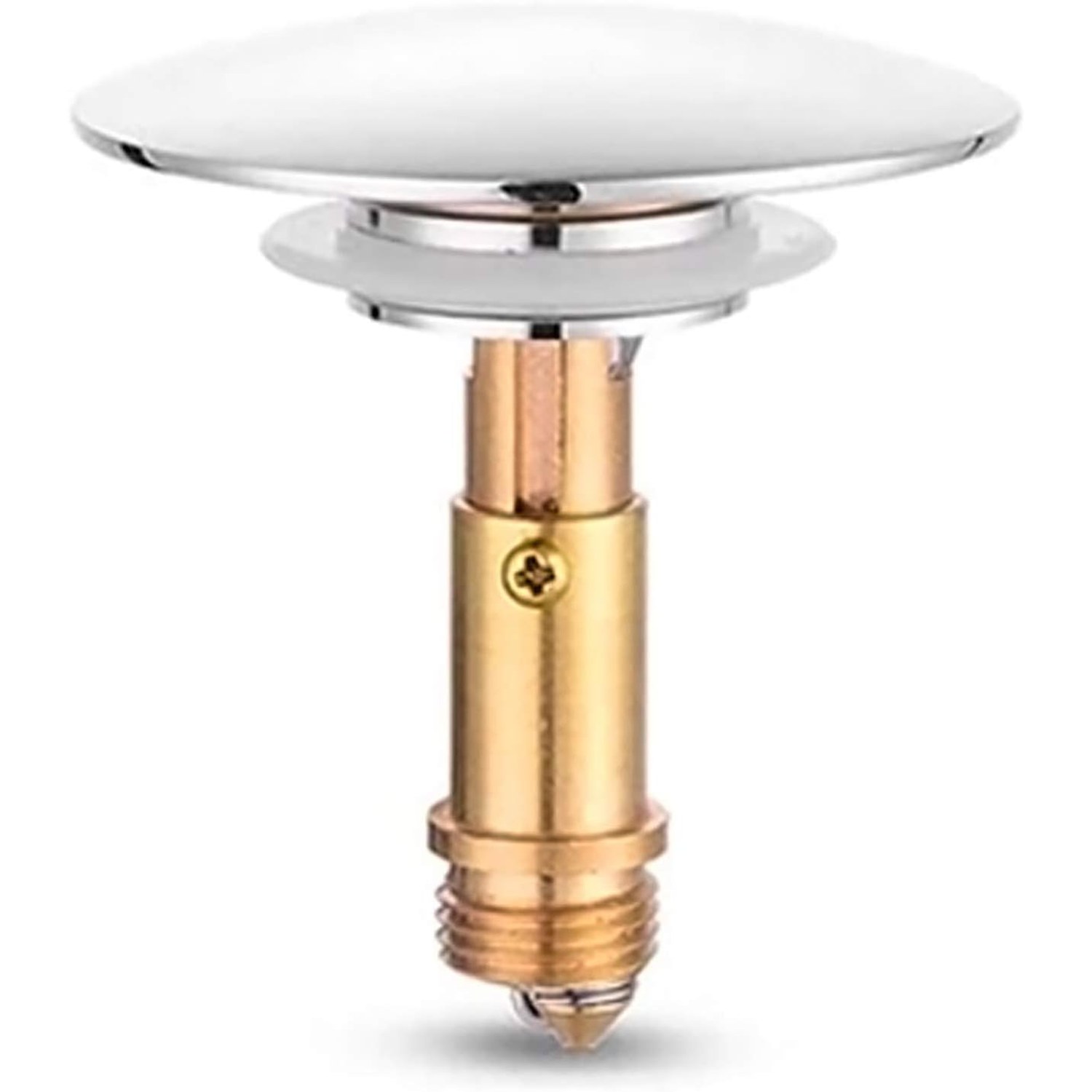
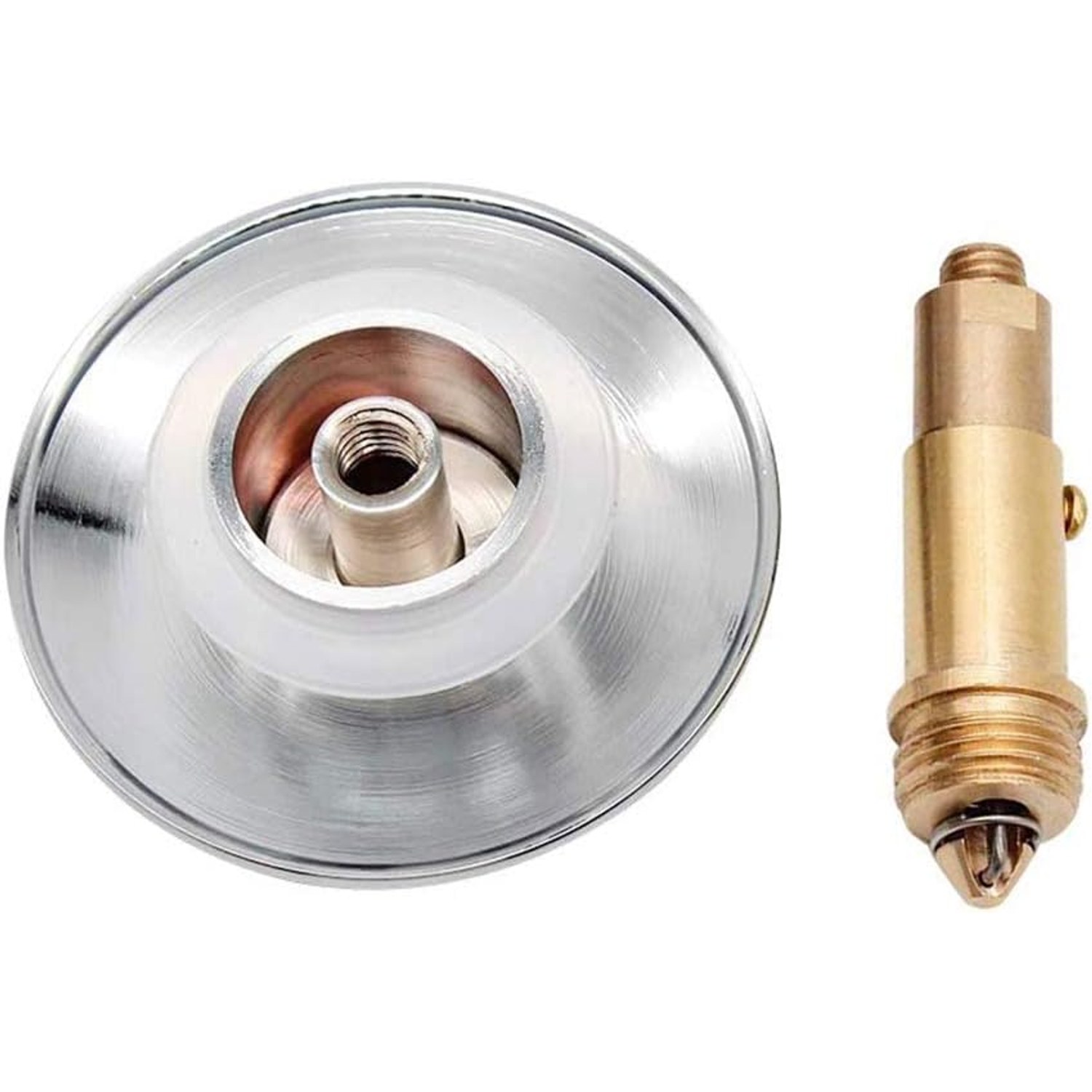
The name comes from the sound. Inside the plug there is a spring and a screw-thread push assembly. When you press the lid down, the spring compresses and the mechanism latches, holding the lid in the closed position where it presses against the seal face. Press again and the latch releases, the spring extends, and the lid lifts clear so water can run past it into the waste.
It is the same logic as a retractable pen, built in metal and sized for a basin. The advantage over older designs is that the moving parts are all contained in one small unit sitting inside the waste opening. There is no rod running down behind the basin, no horizontal pivot arm under the sink, and no clevis strap to adjust when the stopper starts sitting too high.
This particular plug is made from brass with stainless steel parts, finished in chrome. Brass has been the standard material for wet fittings for a very long time for one simple reason. It does not rust. Add a plated top surface and you get something that keeps looking sharp rather than going chalky after a year of hard water.
Slotted or unslotted, and why it matters
This is the single most common mistake people make when buying a replacement plug, so it is worth getting straight before anything else.
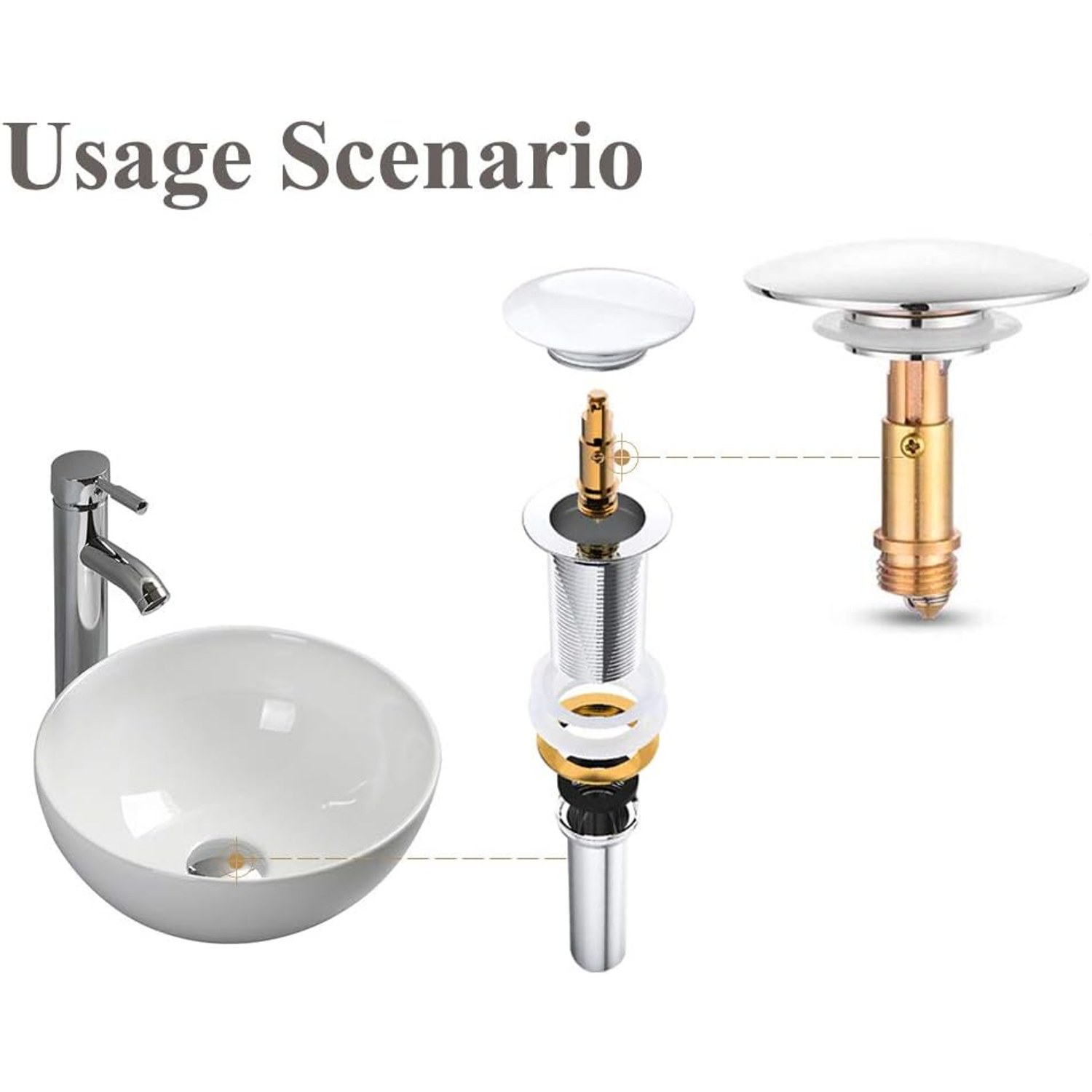
Look at your basin. If there is a small hole near the top of the bowl, usually opposite the tap, that is an overflow. Its job is to carry water into the waste pipe if you leave the tap running with the plug closed. For that to work, the water needs a path through the plug body into the drain.
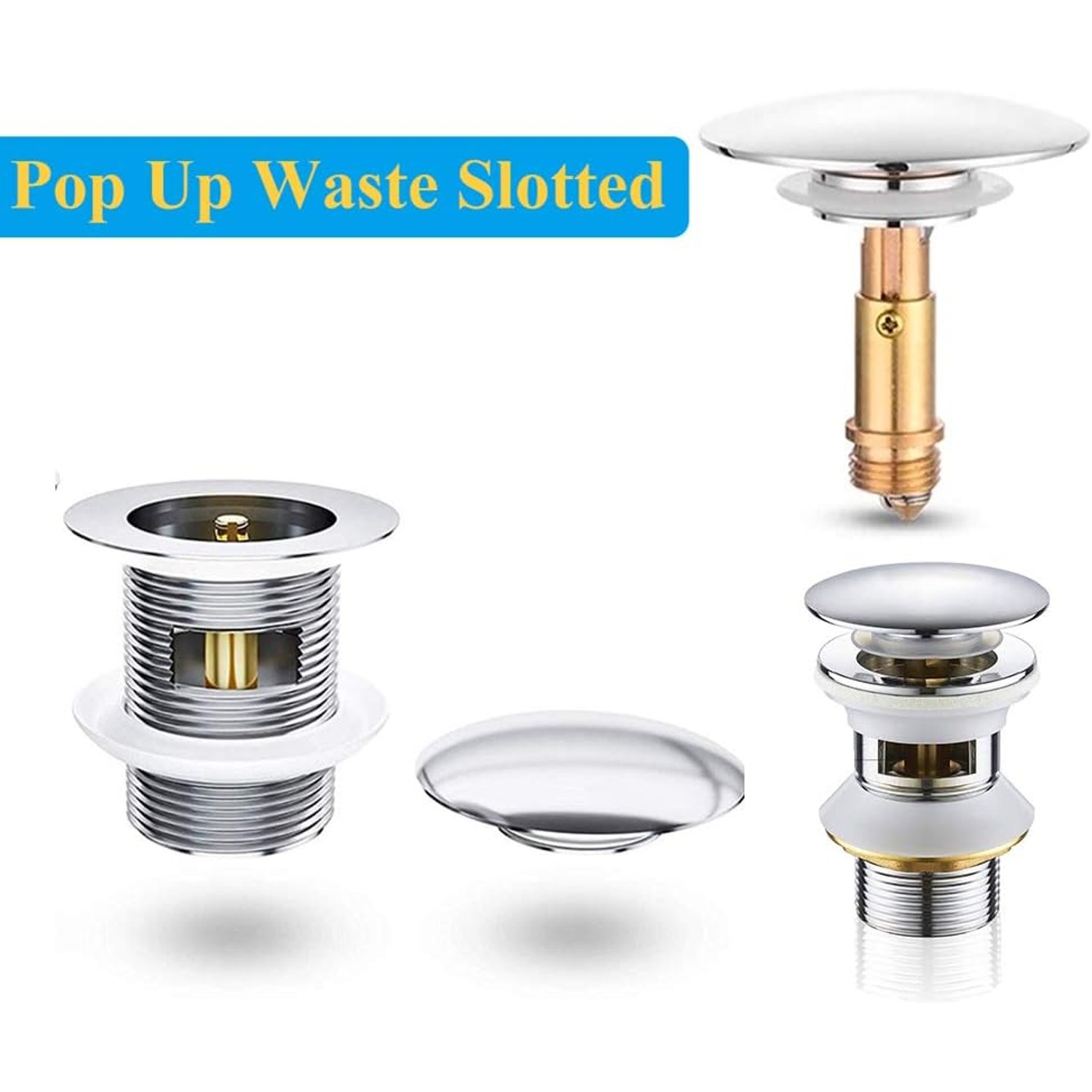
A slotted plug has openings cut into the sides of its body to provide that path. This plug is slotted, which makes it the correct choice for any basin with an overflow. If you fit an unslotted plug into an overflow basin, you have effectively disconnected the overflow, and the first person who walks away from a running tap will find out the hard way.
If your basin has no overflow hole, you want an unslotted plug, which seals the sides as well as the top. A slotted one will still physically fit, but it is not what the design intends.
Checking the fit before you order
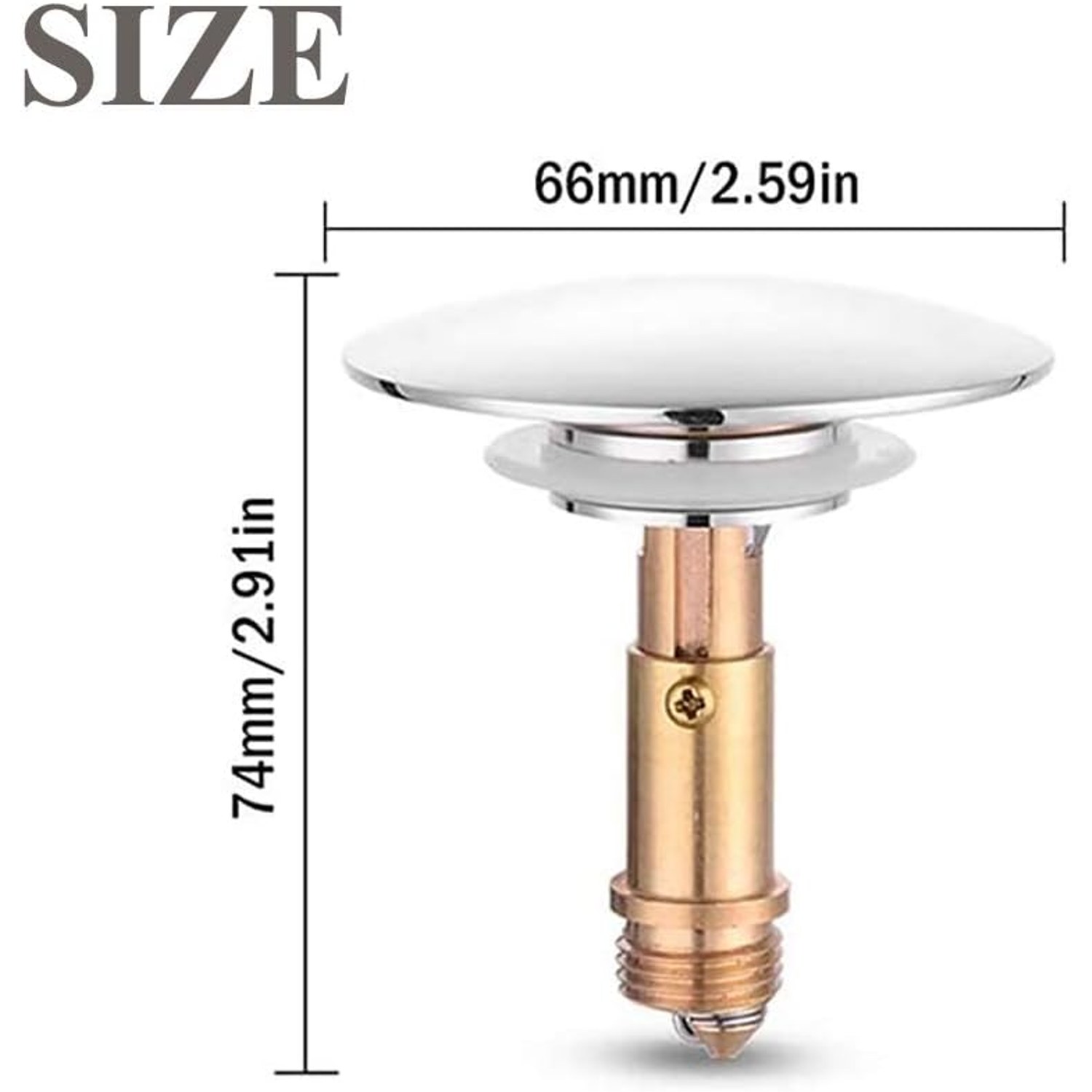
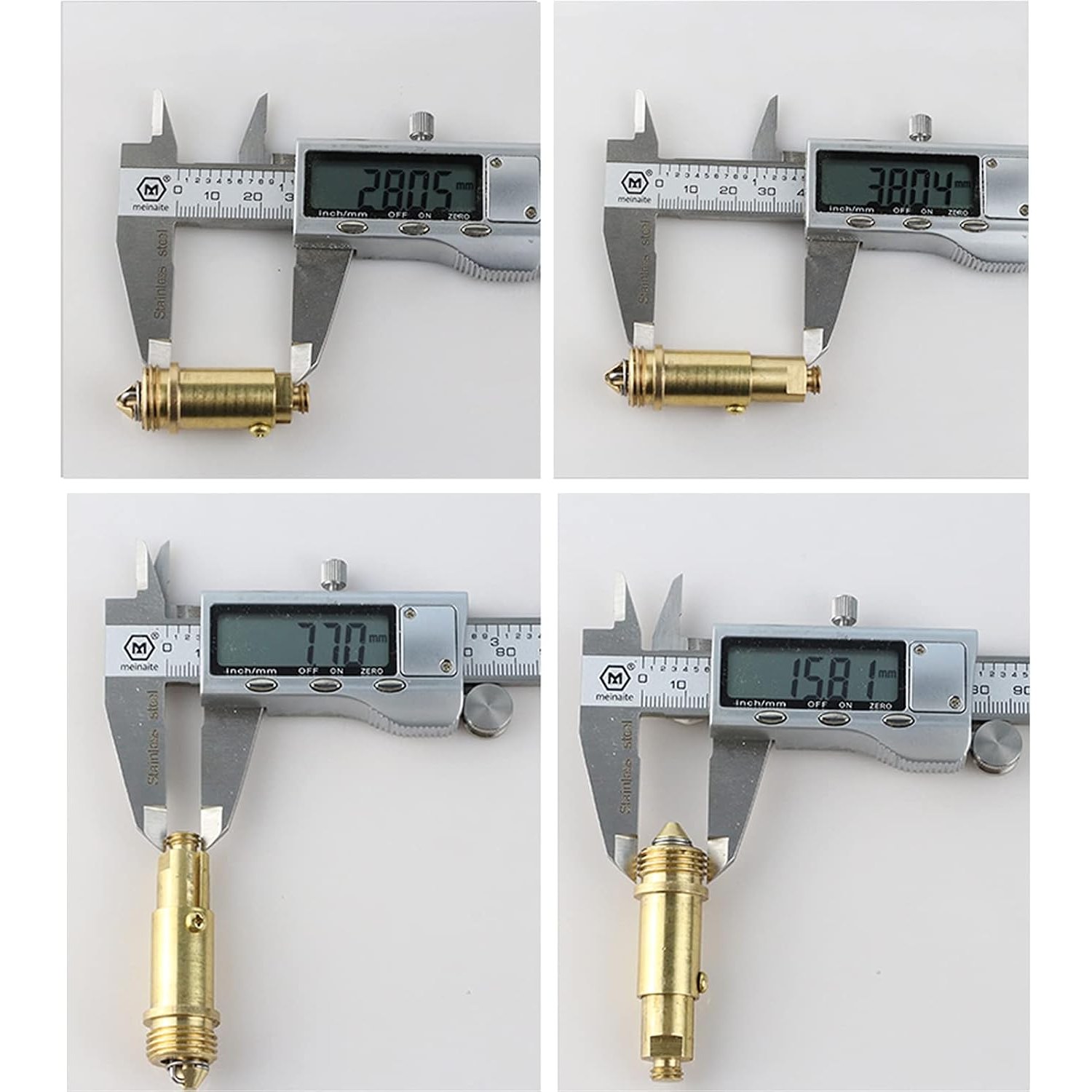
Two measurements decide this. Pull out your old plug and measure across the circular opening in the basin at its widest point, then measure across the drain fitting itself. The maker lists this plug as suiting a basin hole around 2.75 inches and a drain around 1.73 inches. The fitting bolt is 16 mm.
If your numbers land close to those figures, you are in the right territory. If they are noticeably different, the plug either will not drop in or will rattle around without sealing. Basin wastes are broadly standardised, but not perfectly, and a quick measure now saves a return later.
Listed item dimensions for the plug are 7 cm wide by 4.4 cm high. That height covers the full body, not just the part you see. The visible element in a fitted basin is the chrome lid sitting flush at the bottom of the bowl.
Fitting it yourself
This is genuinely a short job. The plug drops into the waste opening from above and tightens down with the supplied plug bolt. You are not cutting pipe, you are not under the sink on your back with a torch, and you are not touching any compression fittings.
The sequence is simple. Take the old plug out. Give the waste opening a wipe, because old soap residue sitting on the seat is a common cause of a new plug not sealing properly. Insert the new plug, then rotate and tighten with the bolt until it is snug. Run some water in and test that it holds, then press to release and check it drains freely.
If it holds water but seeps slowly, that is almost always debris on the seal face rather than a fault. Lift the lid off, wipe both surfaces and try again.
Keeping it working
Here is the part that matters most for how long it lasts. Every basin waste in the world collects hair, soap scum and toothpaste. That build-up is what turns a fast-draining basin into a slow one over six months, and it is what makes drains smell.
This plug separates into two parts. Lift the top section away, clear out whatever has gathered underneath, rinse both halves under warm water and click it back together. Do that every few weeks and you will rarely need a drain product at all.
For the finish, keep it simple. A soft damp cloth and a dry-off afterwards keeps the chrome bright and stops water spotting in hard water areas. Avoid abrasive pads, scouring powder and bleach-heavy cleaners, because those attack plated surfaces faster than people realise. Strong chemical drain unblockers are also best kept away from plated fittings. If you have a blockage, remove the plug and clear it by hand, which usually deals with the real cause anyway.
Who this suits
It works for anyone replacing a failed plug in an existing basin, which is most buyers. It also suits people fitting out a bathroom who want a tidier look than a chain plug gives. The maker lists both bathroom basins and kitchen washbasins as applications, though kitchen sinks often use a larger waste, so the measurement check matters even more there.
It is a good choice in a family bathroom because pressing down is easier for a child than pulling a chain, and there is nothing hanging over the rim to pull on. It is also a sensible pick for a rental or a guest bathroom, where you want something that works without explanation.
Where it is less ideal is a basin with no overflow, where an unslotted plug is the better match, or a basin whose waste size falls well outside the figures above.
The short version
A click clack basin plug replaces the chain, the rubber bung and the fiddly under-sink linkage with one spring and one press. This one is brass and stainless steel with a chrome finish, it is slotted for basins with an overflow, and it splits in two so you can clean it properly.
Measure your basin hole and drain first. If they are around 2.75 inches and 1.73 inches, fitting is a few minutes of work with the supplied 16 mm bolt. After that, give it a rinse every few weeks and it will quietly do its job.