
The complete guide
How To Choose A Pop Up Sink Strainer Plug That Actually Fits
The slow drain nobody notices until it stops
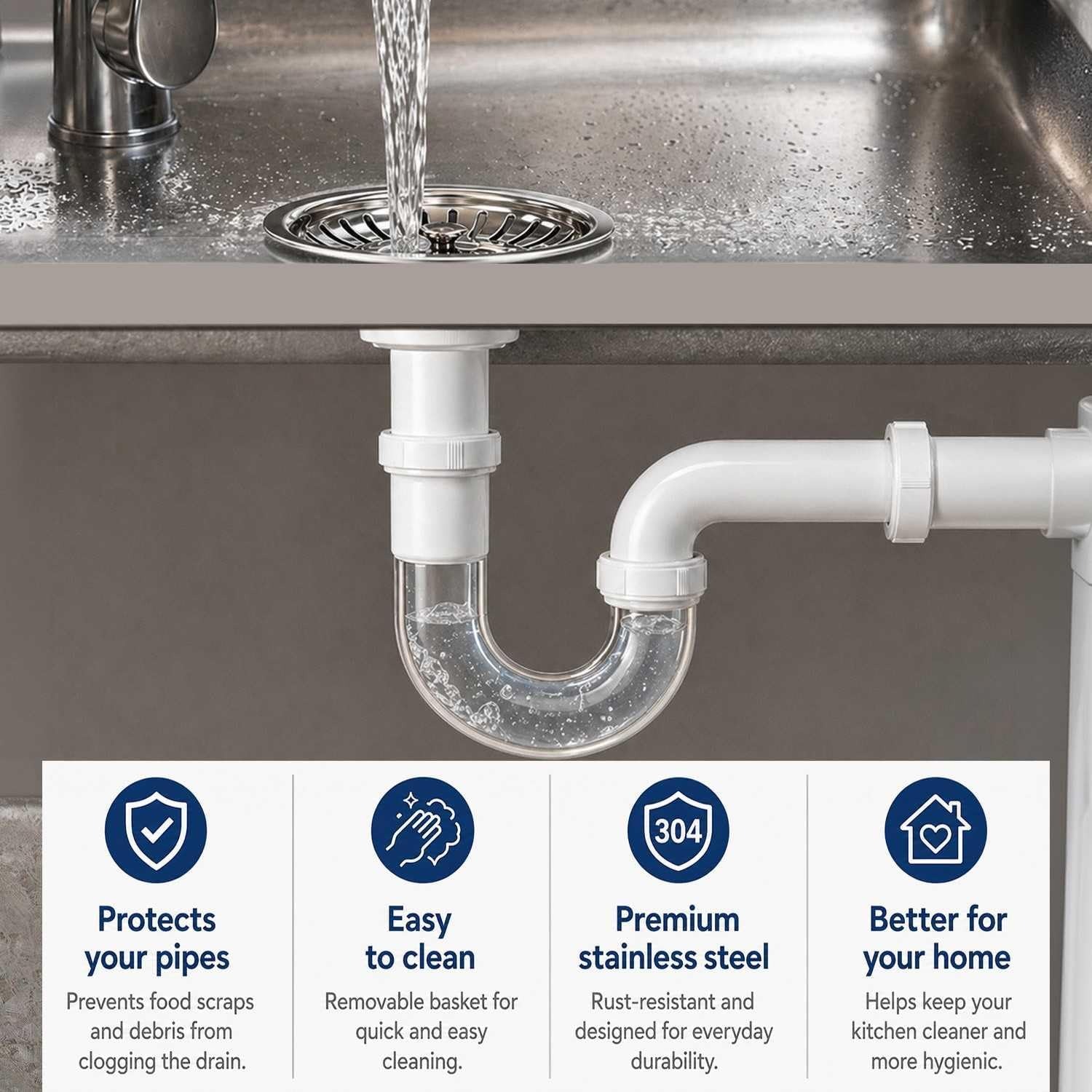
A kitchen drain rarely blocks overnight. It blocks slowly, over months, while you tip a pan of pasta water into the sink and watch a few strands disappear. Rice, coffee grounds, onion skins, bits of egg shell. Each one is harmless on its own. Together they form a sticky mat in the trap, grease binds it, and one evening the water sits in the bowl and refuses to move.
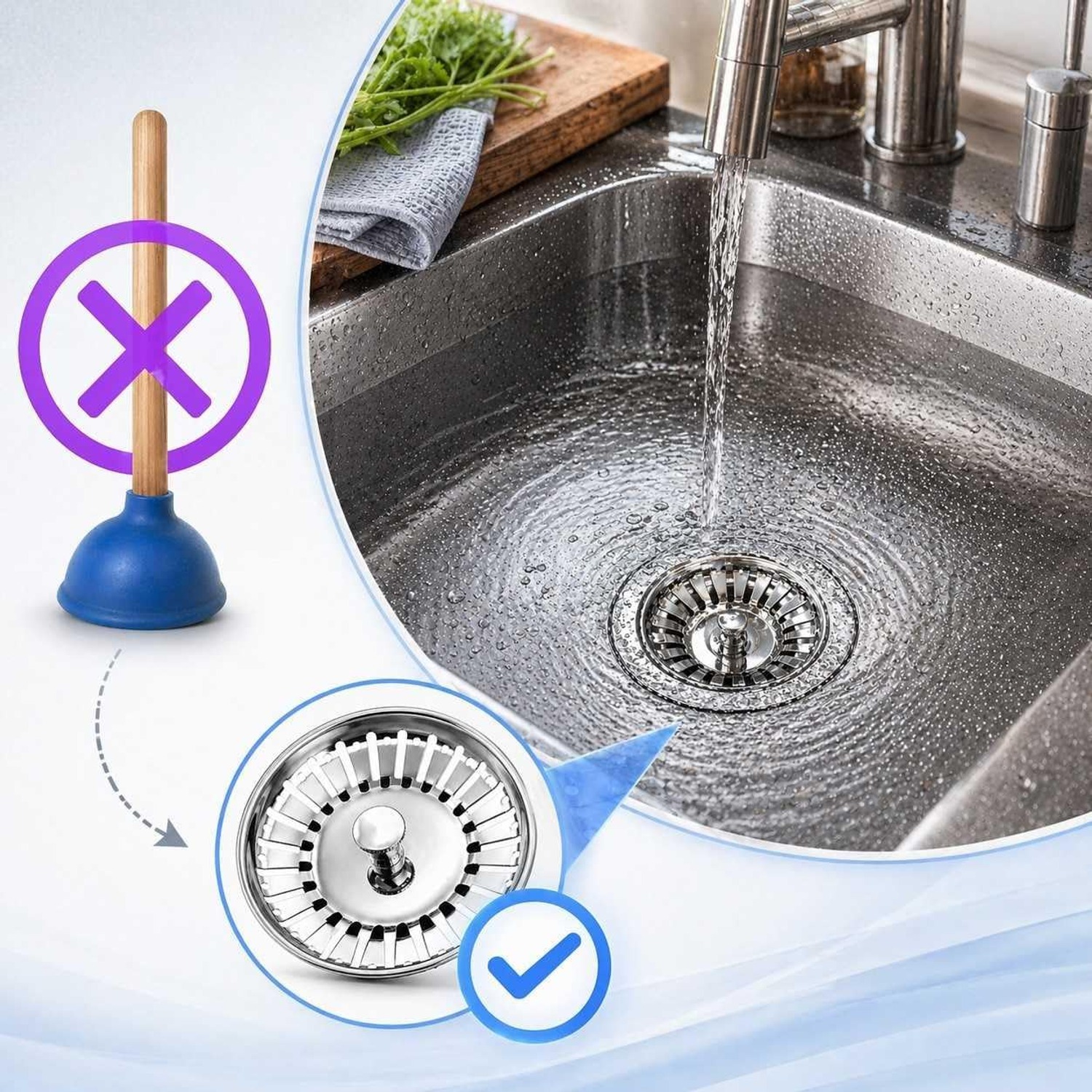
The fix is not a bottle of chemicals. It is a piece of mesh sitting in the hole, catching the solids before they ever reach the pipe. That is the entire job of a sink strainer, and it is why a fitting that costs less than a takeaway can save you a plumber's call-out.
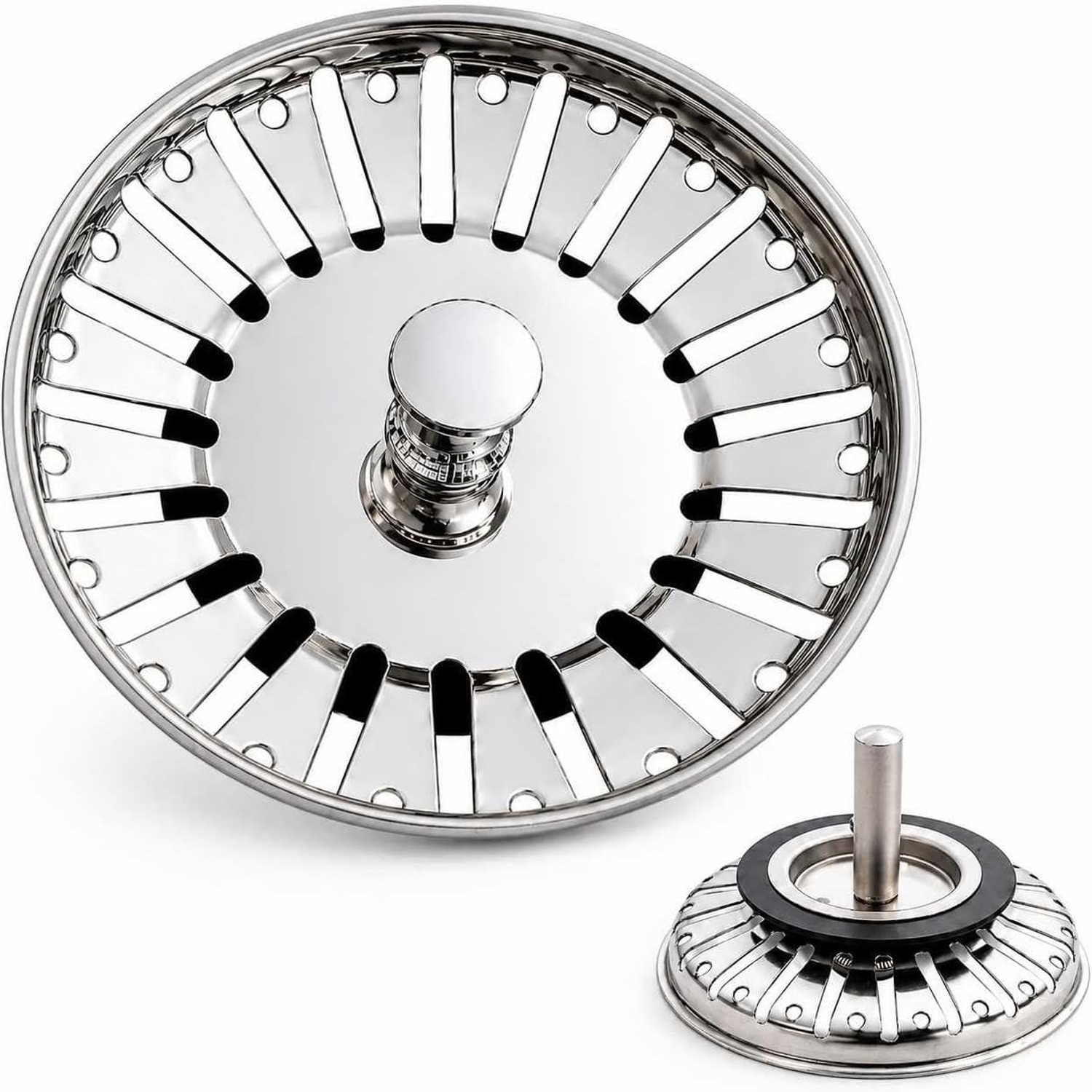
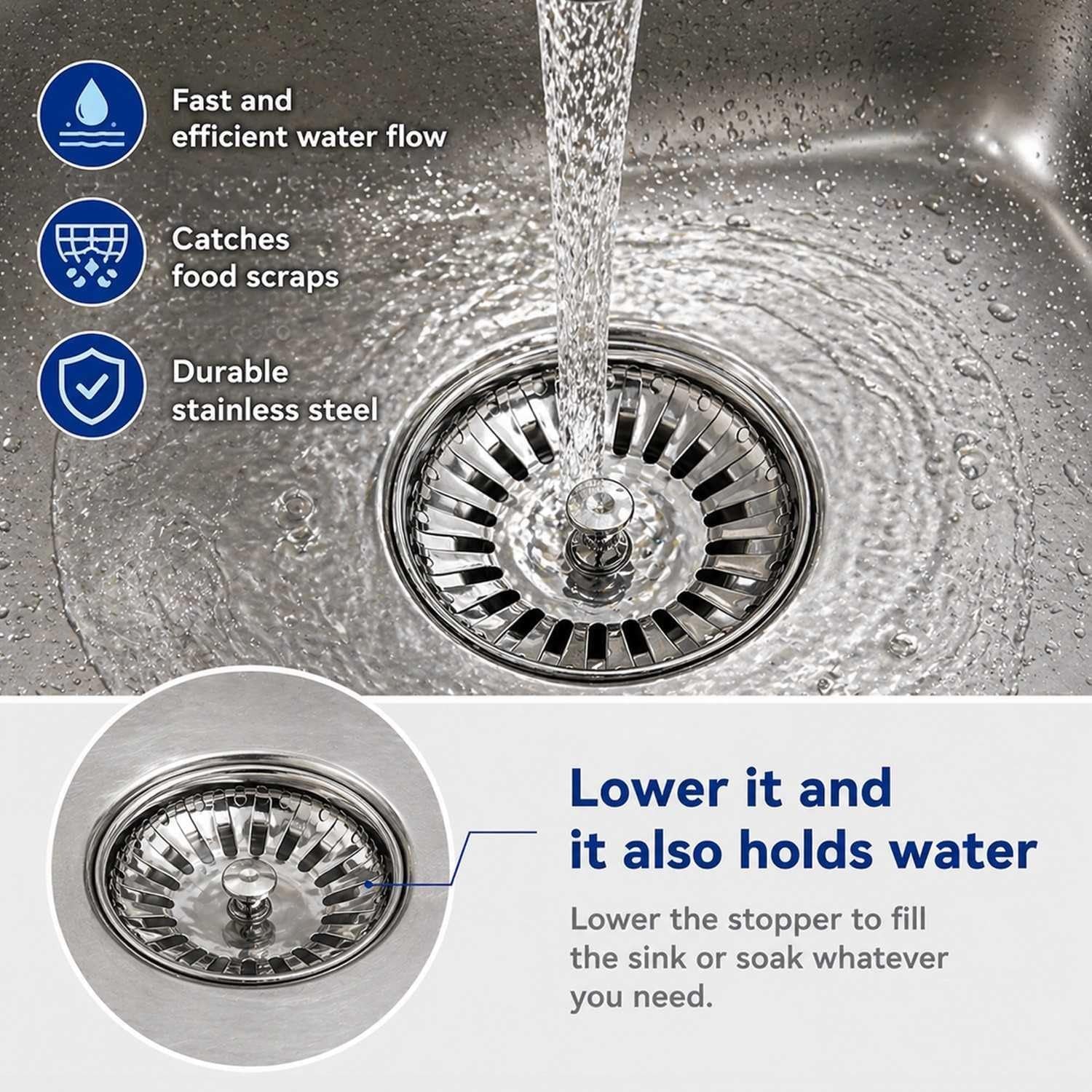
This particular fitting does a second job too. It is a pop up sink strainer plug 83mm, which means the same cap that strains your water also seals it. Lift it and water drains. Press it down and the silicone gasket closes the outlet so the bowl holds water. One fitting, two positions, no chain.
How a pop up strainer plug works
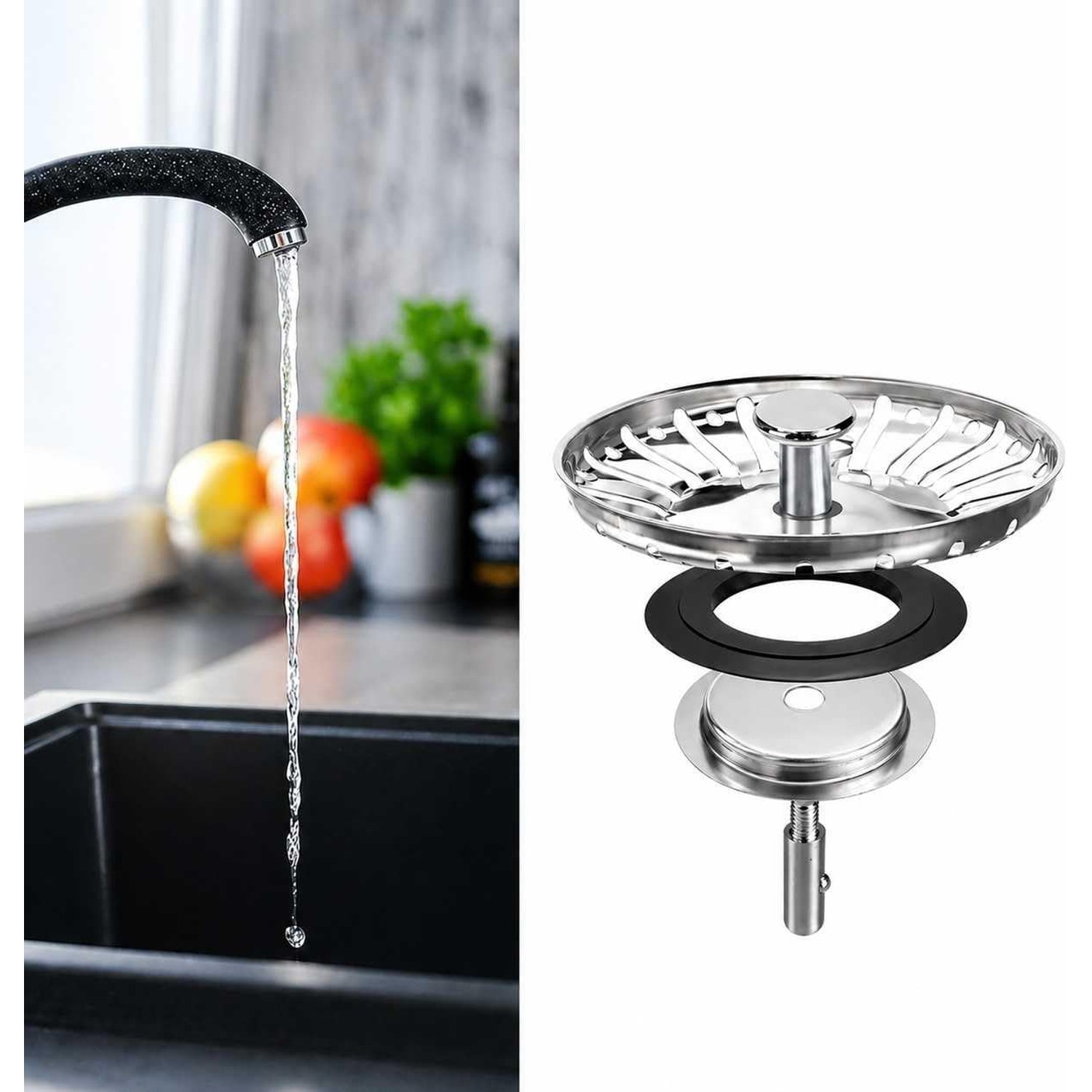
Inside the cap is a chrome-plated brass shaft with a ball bearing and a rubber seal. The shaft locates in the centre of your sink outlet and the cap rides up and down on it.
In the upper position there is a gap between the gasket and the outlet rim. Water flows around the edge and down the pipe, while the mesh and the basket hold on to anything solid. That is your everyday setting for rinsing, draining and general washing up.
Push the cap down and the gasket meets the rim. The seal closes, the water stays. You can fill the bowl to soak a roasting tin or wash a load of glasses in hot soapy water. When you are done, lift the cap and it drains.
What makes this better than a loose rubber plug is that nothing lives outside the sink. There is no stopper on the windowsill collecting limescale and no chain clanking against the steel. It is a small ergonomic improvement that you notice every single day.
Getting the size right
This is where most sink plug purchases go wrong, so it is worth slowing down.
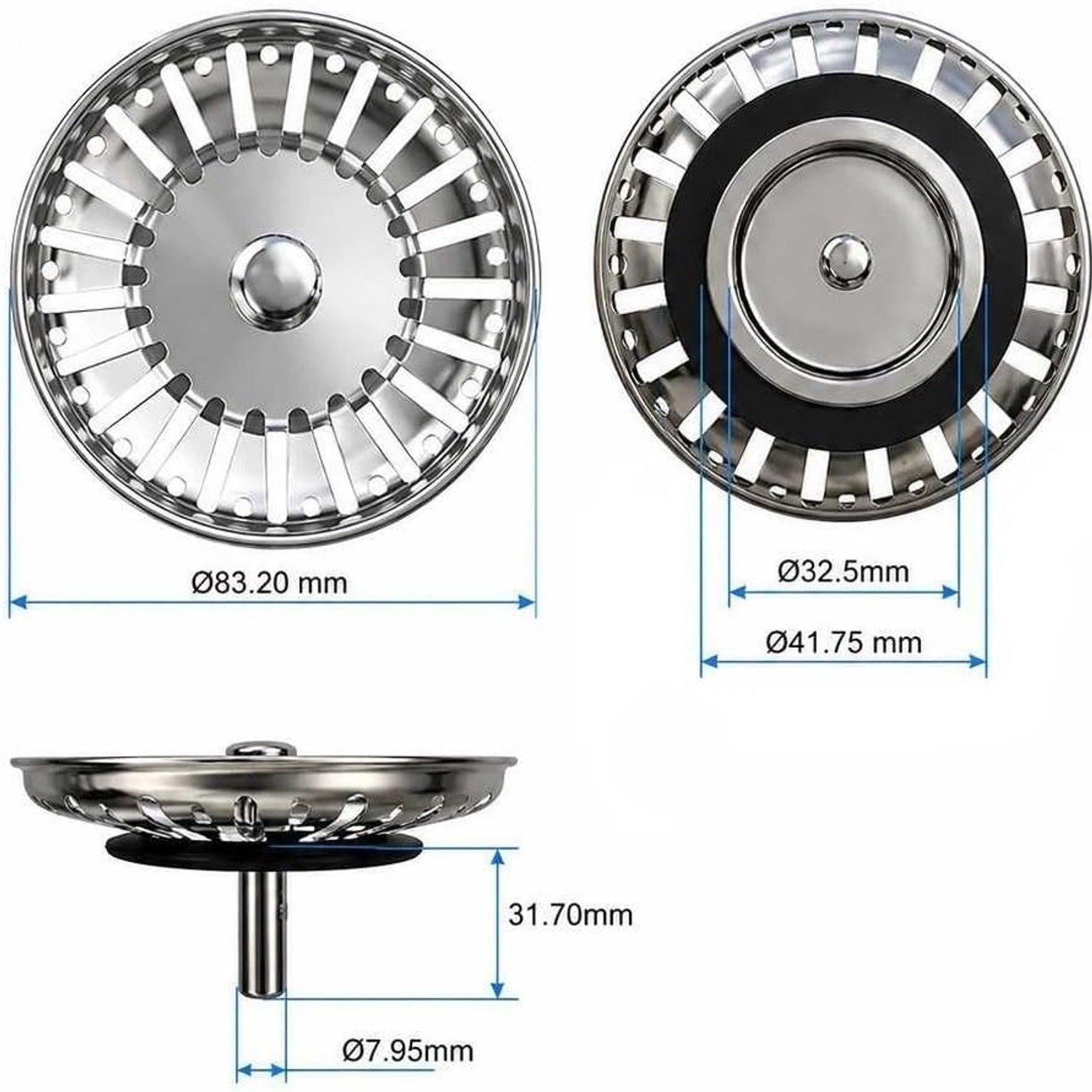
This unit has a compatible groove diameter of 83mm and is designed for kitchen and bathroom sinks with an 80mm outlet. The item itself measures 8.3cm wide by 4.7cm high, with a depth of 10mm.
To check yours, pull out whatever is currently in the sink and measure straight across the top of the waste opening, rim to rim, with a tape measure or a ruler. If you land close to 80mm, you are in the right territory. A lot of stainless steel and composite kitchen sinks use this size, which is why it is often sold as a sink strainer for 80mm outlets.
If you measure 90mm, this will not seal. If you measure something much smaller, you are probably looking at a bathroom basin waste, which usually takes a different fitting entirely. Measure first. It takes thirty seconds and saves a return.
One more check: look down into the outlet and make sure the housing is a standard open waste rather than a disposal unit. Disposal units have their own matching splash guards and will not take a drop-in strainer plug.
Why the materials matter more than the price
A sink is a harsh little environment. Hot water, cold water, detergent, bleach, degreaser, acid from lemons and tomatoes, plus daily knocks from pans and cutlery.
Cheap plastic stoppers do not love that. The plastic goes cloudy, the seal hardens, and after a year it no longer holds water properly. Then you buy another one.
This strainer uses stainless steel for the body and basket, silicone for the gasket, and chrome-plated brass for the central shaft. The maker states those materials resist chemical products like detergents and bleach. Stainless steel does not stain from tea or tomato sauce the way plastic does. Silicone stays flexible far longer than cheap rubber, which is what keeps the seal working. Brass is the traditional choice for a moving shaft because it does not corrode and seize the way a mild steel pin would.
The practical result is a stainless steel kitchen sink waste plug that still seals properly in two years, which is the only measure of value that counts for a part like this.
Who it suits
Anyone who cooks. If you prep vegetables, drain pasta or rinse rice at the sink, a removable drain basket pays for itself the first time it stops a blockage.
Renters, too. It is a drop-in fitting with no plumbing work, so you can install it the day you move in and take it with you when you leave. Nothing is drilled, glued or altered.
Households with older pipework benefit the most. Old cast iron or heavily scaled pipes have less room to spare, so keeping solids out of them matters more. The same goes for anyone on a septic system, where food waste is a genuine nuisance rather than just a plumbing risk.
It is also quietly useful in a bathroom basin with an 80mm waste, where the thing you are catching is hair rather than food. Hair is the single most common basin blockage and a mesh cap stops almost all of it.
Living with it, and keeping it working
The maintenance routine is simple and it is the whole secret.
After any cooking that produces scraps, lift the cap out and tip the contents into the bin. Do not push them down the drain, since that defeats the point. A couple of times a week, wash the whole unit in warm soapy water. If the mesh holes look greasy, a soft washing-up brush clears them in seconds.
Avoid steel wool and gritty cream cleaners on the chrome-plated shaft. They will dull the finish over time without improving anything. Wipe the silicone seal clean when you wash it, since a smear of grease or a grain of grit under the gasket is the usual reason a plug suddenly stops holding water.
While the strainer is out, give the outlet rim a wipe as well. The seal needs a clean surface to press against, and that rim collects film faster than you would expect.
If you ever notice the cap sticking in one position, it is almost always debris around the shaft. Rinse it under the hot tap and work the cap up and down a few times.
What arrives
One strainer plug, supplied bulk. That means it ships in a protective envelope and bag rather than a retail display box. The product is new. If you are buying it as a gift, be aware there is no presentation packaging, so wrap it yourself or pair it with something else for the kitchen.
Finish is silver, described as chrome-plated and stainless steel, in a plain modern style that disappears into a stainless sink.
Weight and country of origin are not specified by the maker, so we will not guess at them here.
The short version
If your sink has an 80mm outlet, this gives you a strainer and a plug in one fitting that you can lift out and rinse in seconds. The steel, silicone and brass combination handles bleach, detergent and hot water without going soft, and the push down action means no chain and no stray stopper to lose.
Measure your waste opening before you order. That one check is the difference between a part that drops straight in and a part that goes back in the post. Everything else about this fitting is straightforward.