
The complete guide
How To Choose A Shower Drain Hair Catcher That Actually Stays Put
The real cause of a slow shower drain
Almost nobody blocks a drain in one go. It builds. A few strands of hair snag on a rough edge inside the pipe, soap and conditioner cling to them, and over a few weeks that small catch turns into a mat that water has to squeeze past. By the time you notice the water rising around your ankles mid-shower, the blockage has usually been forming for a month or more.
The frustrating part is how preventable it is. The hair that causes the problem goes down the drain in full view. It is on the tray, it is on your hands, you can see it heading for the plughole. A drain filter simply gives it somewhere to stop.
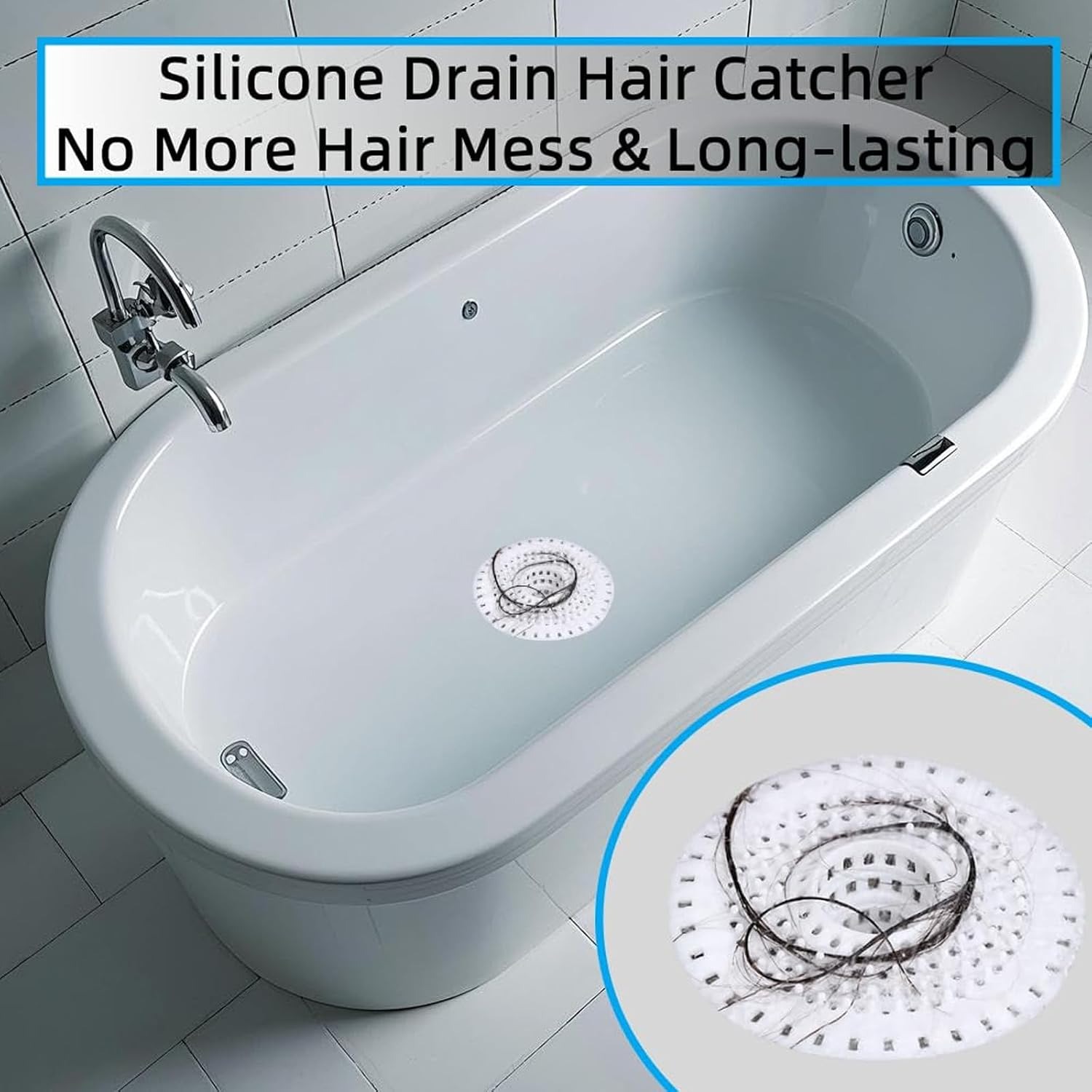
That is the whole job of a silicone shower hair grid. It sits over the opening and takes the hair out of the equation before it ever gets into the pipework. No chemicals, no plunging, no unscrewing the trap on a Sunday afternoon.
How a double layer filter differs from a basic strainer
Most cheap drain covers are a flat disc with holes in it. They catch some hair, but they have two weaknesses. First, hair spreads across the flat surface and forms a seal, which chokes the flow. Second, anything smaller than the holes goes straight through, so grit and soap lumps still make it into the pipe.
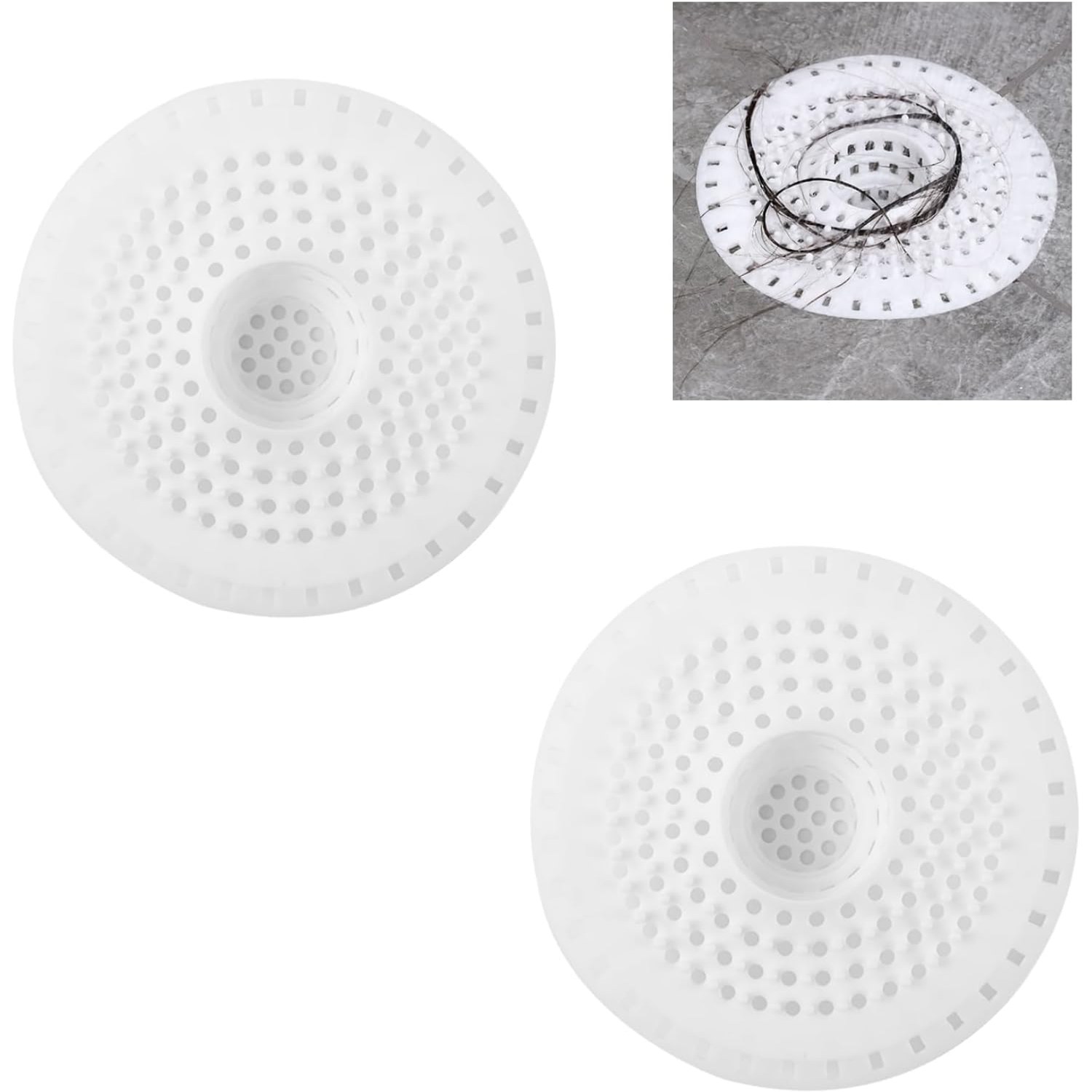
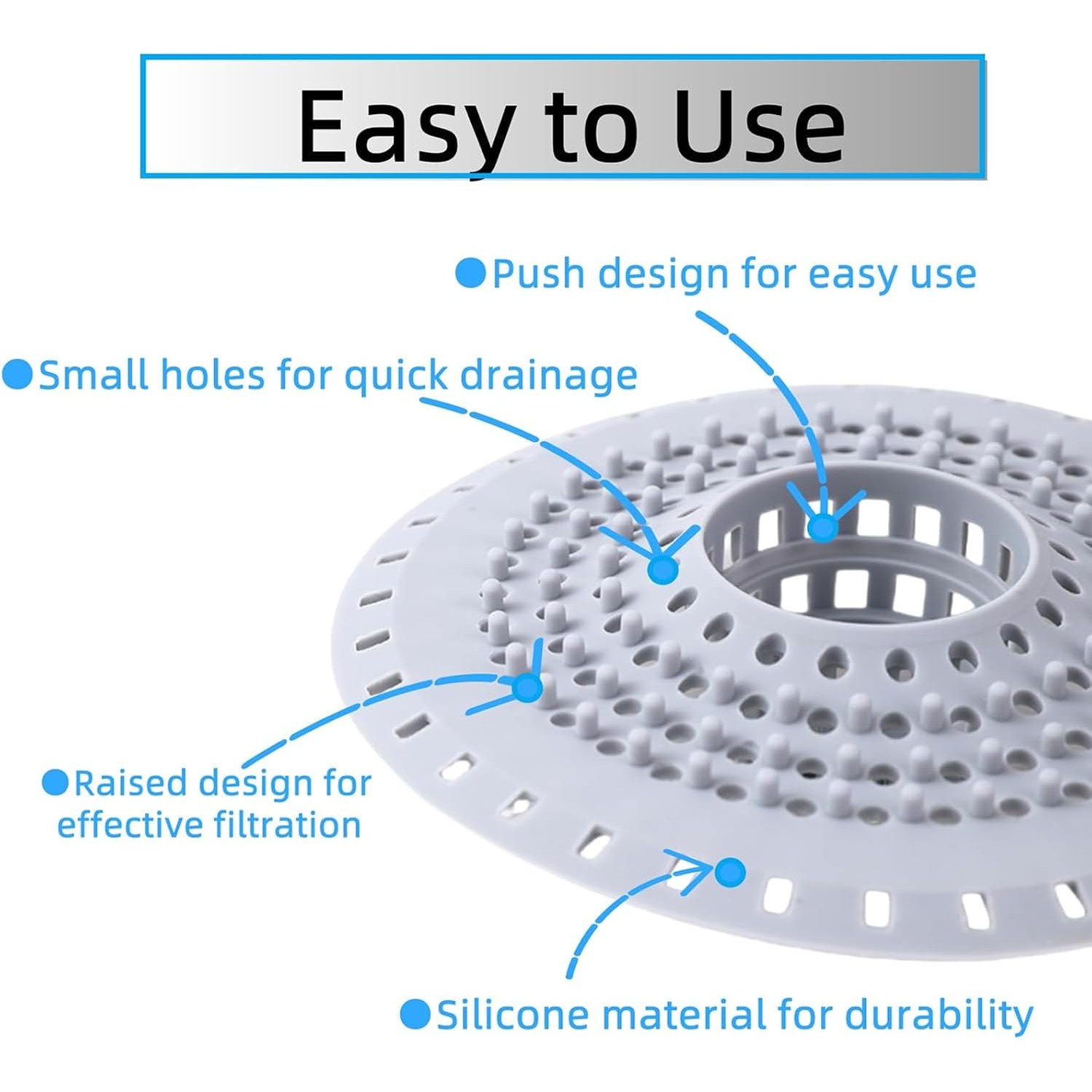
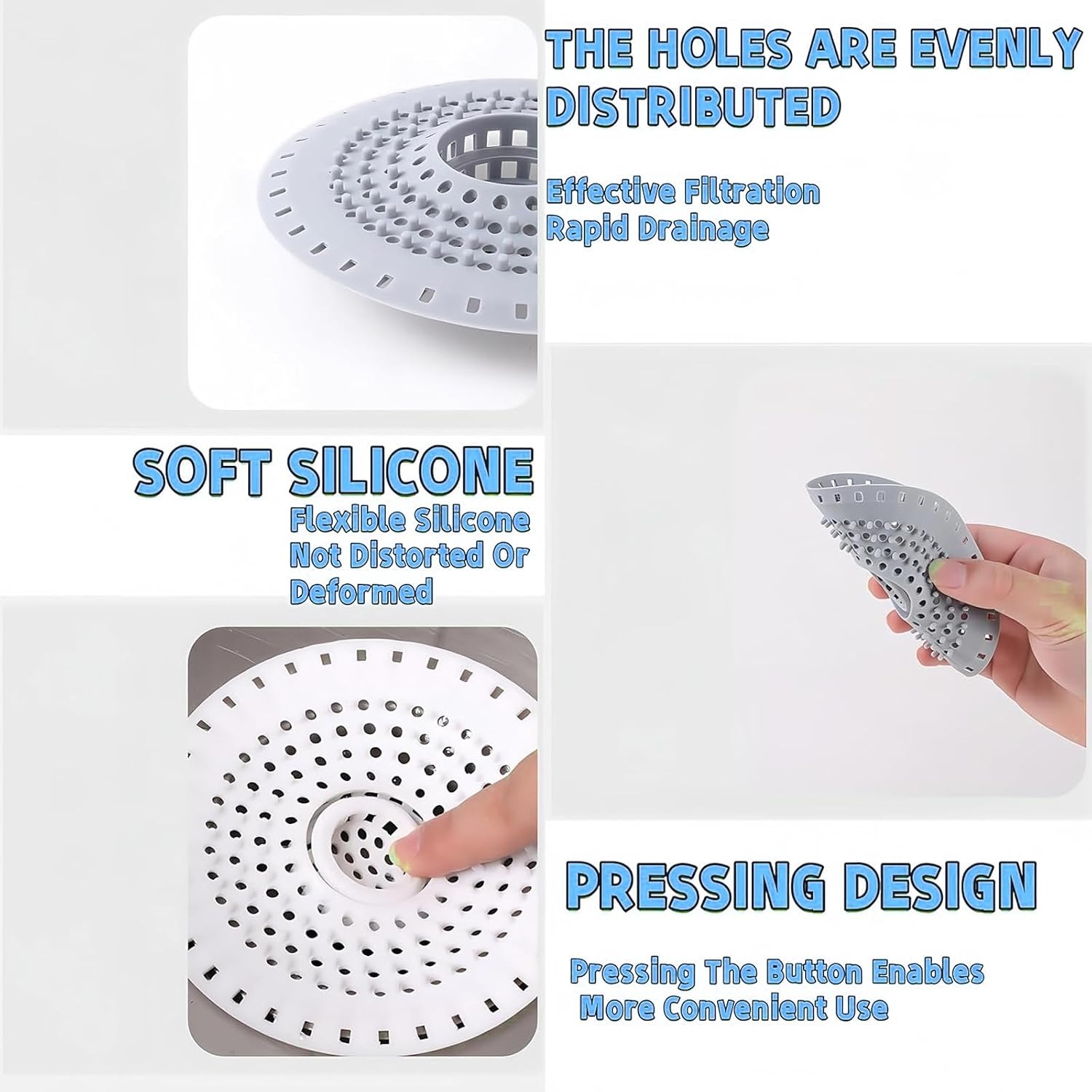
The double layer approach deals with both. The outer mesh is coarse and deliberately so. It is sized to grab hair quickly and hold it in a clump you can pick off with your fingers. Below that, a finer mesh catches the smaller material that the top layer lets through. You get hair control and debris control from one piece, which is what people are usually after when they go looking for the best reusable drain filter.
The raised shape is the other half of the design. Because the filter domes up rather than lying flat, the sides stay open even when hair has collected on top. Water takes the path of least resistance and drains around the clump instead of stalling behind it. In practice that means you notice the mesh needs emptying because you can see the hair, not because the shower has started to flood.
Why grip matters more than people expect
A drain filter that moves is worse than no filter at all. If it shifts even slightly, hair slides under the edge and straight down the drain, and you end up with the blockage you were trying to avoid plus a bit of plastic drifting around the tray.
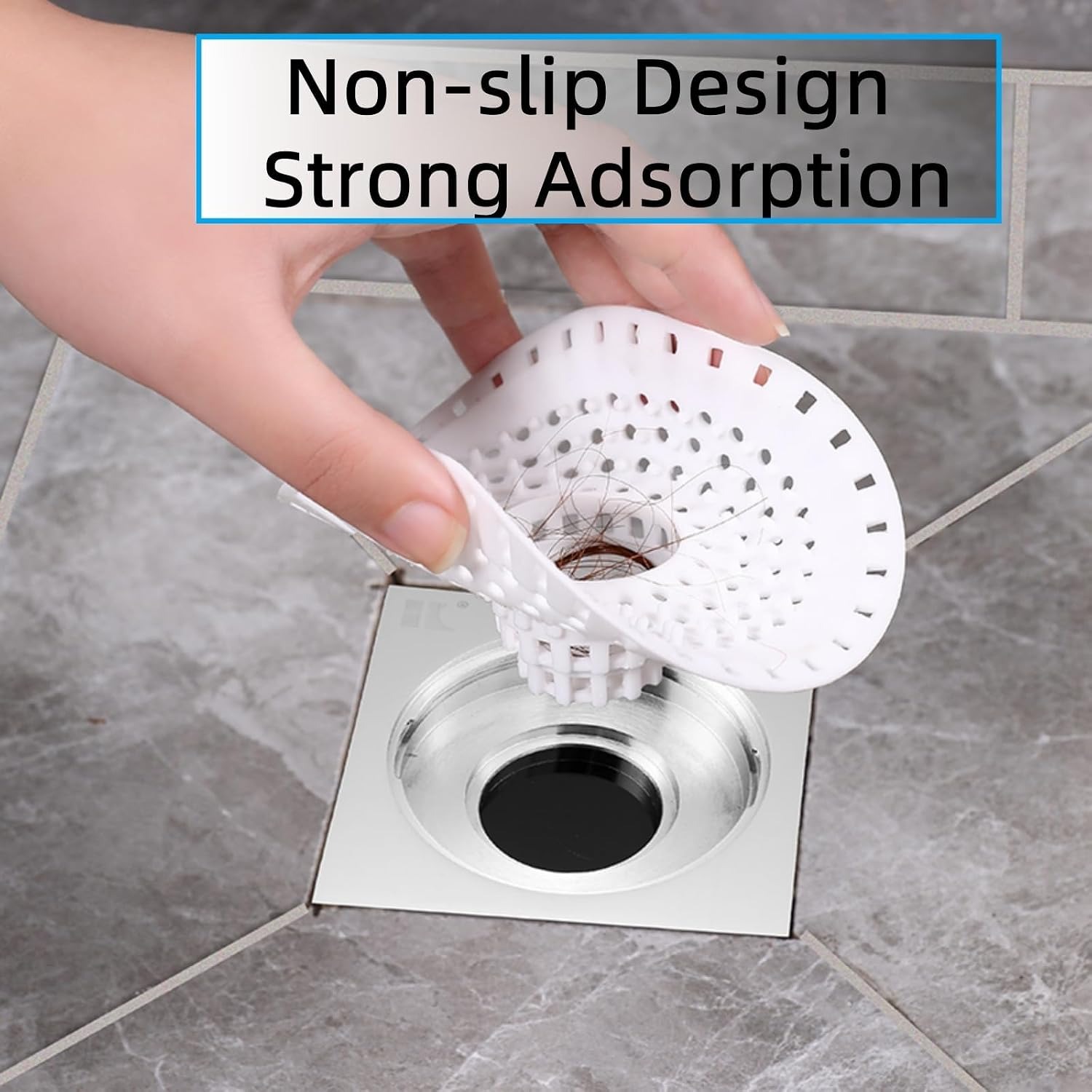
This one uses a soft rubber non-slip strip on the underside. It grips smooth surfaces directly, so there is nothing to glue down and no suction cups to pop off halfway through a shower. Press it over the drain and the strip does the rest.
The catch, and it is worth being straight about it, is that the grip depends on the surface. Glazed ceramic, glass, acrylic and smooth resin all give the strip something to hold. Stone-effect trays, heavily textured anti-slip finishes and rough tiling do not, because the strip only makes contact at the high points. If your tray is textured, the best non slip drain cover for you may well be a different style that locks into the drain opening instead.
A quick test before you order: wipe the area around your plughole with a dry cloth and run a fingertip across it. If it feels glassy, you are fine. If it feels like fine sandpaper, think twice.
Sizing it up
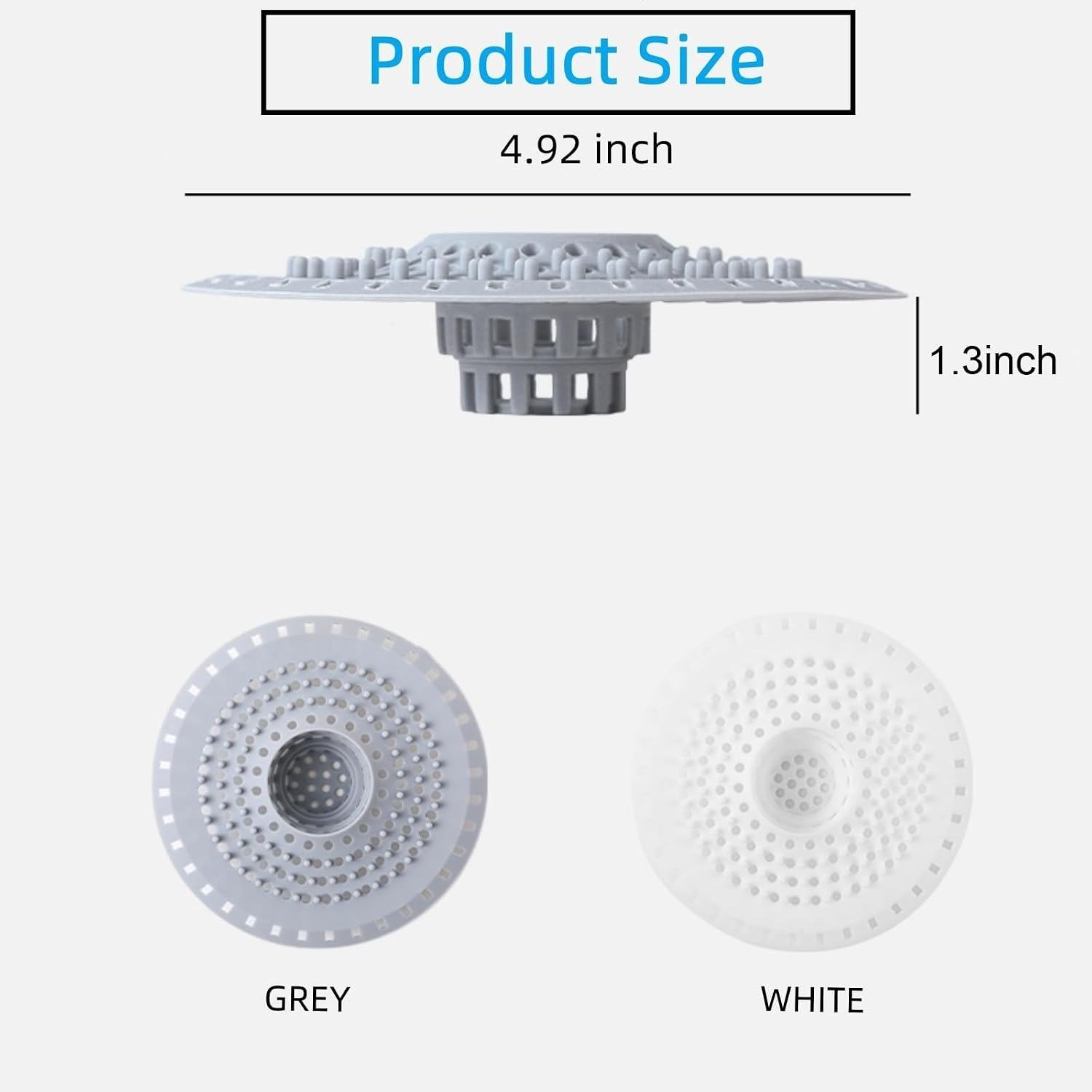
The filter is 13 cm wide and 3.5 cm high. It sits on top of the drain rather than dropping inside it, so the measurement that matters is the flat, smooth area surrounding your plughole, not the diameter of the hole itself. You want at least 13 cm of clear space so the whole base can make contact.
Height matters in one specific case. If you have a pop-up or click-clack waste that stands proud of the tray, a surface-mounted filter cannot sit flat over it. Check the height of your fitting against the 3.5 cm profile and you will know straight away whether it works.
Beyond that, silicone is forgiving. It flexes enough to sit comfortably on a very slight curve or dip, which rigid metal covers cannot do.
Who gets the most out of it
Households with long hair feel the difference fastest. If someone in the house sheds enough to need the trap cleared a few times a year, catching it at the surface saves a genuinely unpleasant job. The same goes for anyone who washes a dog in the bath, since pet hair behaves much the same way inside a pipe.
Renters and students tend to like it because it needs no tools, no adhesive and no permanent change to the bathroom. You press it down when you move in and take it with you when you leave.
Then there is the second filter in the pack. Some people put it in a second bathroom. Others use it in the kitchen, where the enemy is food scraps and coffee grounds rather than hair, and a silicone screen works just as well as a hair trap for shower drain duty. A third option is to keep it dry as a spare so there is always a clean one ready to swap in.
Keeping it clean without making a job of it
The cleaning routine is short enough that it does not become a chore. Lift the filter off the tray, tip the hair straight into the bin, and rinse under warm soapy water. If the finer mesh has gone cloudy with soap residue, a soft brush shifts it in a few seconds.
Shake off the water and press it back down. That is it.
Two things to avoid. Do not attack it with an abrasive scouring pad, because that dulls the polished finish. And lift the filter out before you pour any drain cleaner or strong chemical down the plughole, then rinse both the tray and the filter with plain water afterwards.
Letting it dry fully every so often is worth doing too. Silicone does not absorb water, so any smell is almost always residue sitting in the mesh rather than the material itself. A proper wash and a dry afternoon sorts it.
What it will not do
Worth saying plainly. A surface filter prevents new blockages. It does not clear an existing one. If your drain is already slow, deal with that first, whether that means clearing the trap or calling someone, and then fit the filter to stop it coming back.
It also will not help if it is not in place. The filter only works when it is sitting over the drain, so if you take it out to clean and forget to put it back, you are unprotected until you do.
And it is a filter, not a shower mat. The surface is designed to resist slipping, but stepping around it is the sensible move, particularly with soap underfoot.
The short version
A silicone shower hair grid is one of the cheapest pieces of prevention you can put in a bathroom. This one catches hair on a coarse outer mesh, holds back smaller debris on a finer layer underneath, and keeps draining through the sides thanks to the raised shape.
Check two things before you buy. Is the area around your drain smooth enough for the non-slip strip to grip, and do you have 13 cm of flat space to work with? If both answers are yes, you are set.
You get two filters, which covers a shower and a sink, or a shower and a spare. Clean it with a rinse every few days and it quietly does its job for a long time.