
The complete guide
How To Replace A Shower Trap Cover On A 90mm Waste
A small part that does a big job
The cover over a shower waste is easy to ignore. It is a little disc in the floor of the tray, and most days nobody gives it a thought.
Then it cracks. Or the finish wears and it starts to look shabby. Or it comes off for cleaning one day and never quite sits right again. Sometimes it simply disappears during a house move or a deep clean.
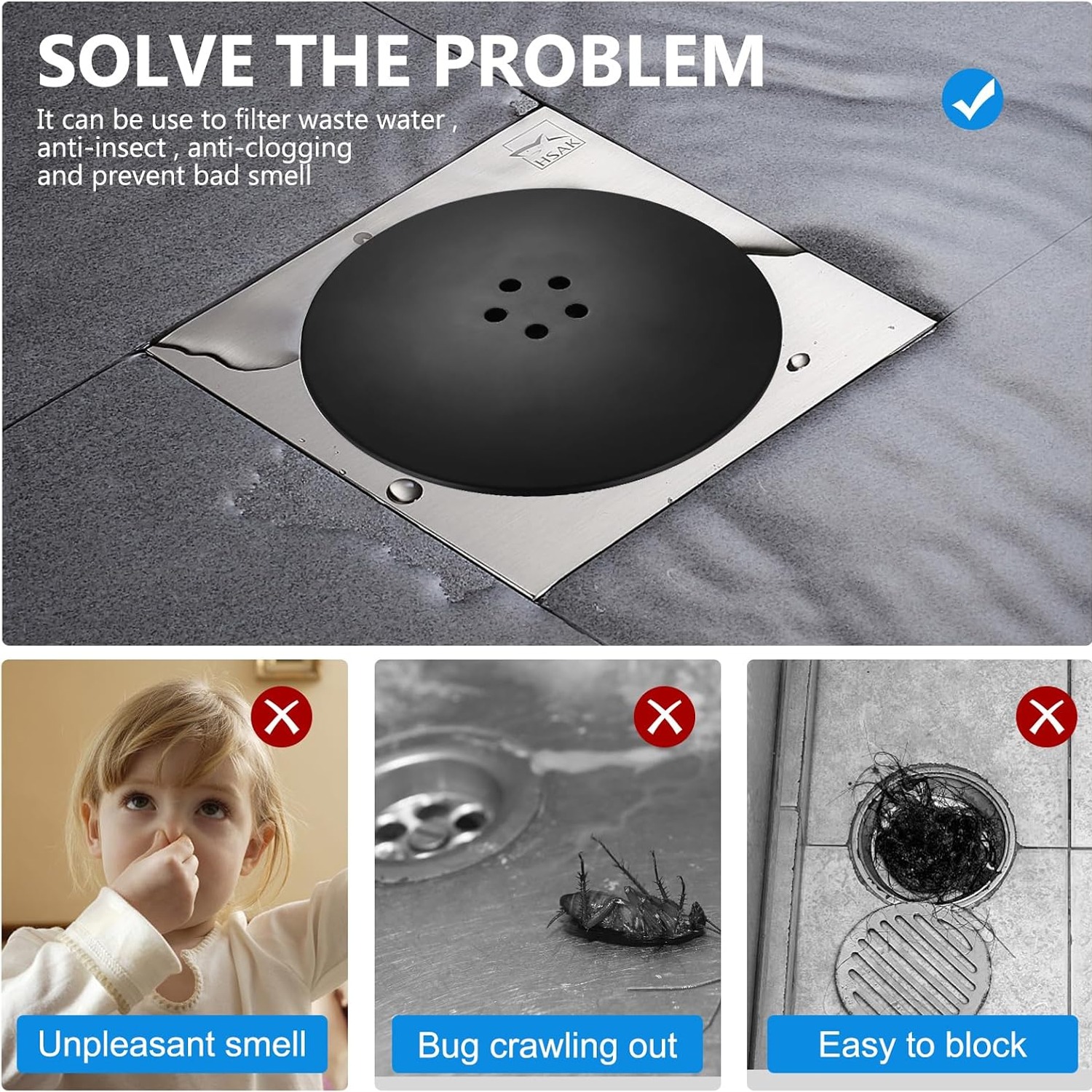
The shower still works without it, and that is the catch. With no cover, every loose hair and every sliver of soap goes straight down the hole. The trap below fills faster. Within weeks the water is pooling around your feet, and the open hole is not pleasant to look at or to step on.
Replacing the cover is one of the cheapest and quickest repairs in a bathroom. The only hard part is getting the right size.
What the cover is for
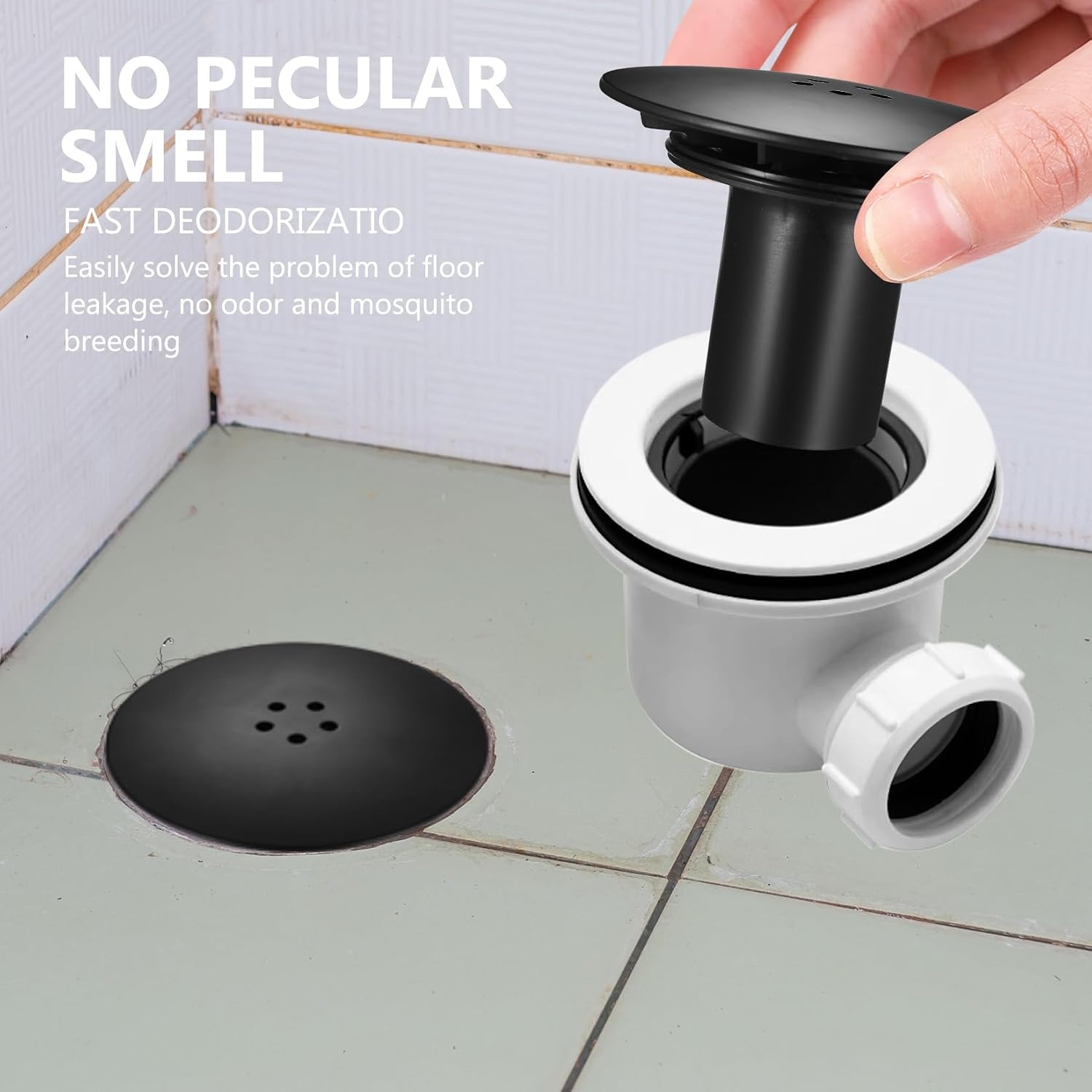
A shower trap sits under the tray. It is a small chamber that holds a little water, and that water blocks drain smells from coming up into the room. Water from the shower runs through it and away down the waste pipe.
The cover is the top of that arrangement. It hides the hole, and it stops larger objects, such as a razor cap or a shampoo lid, from dropping into the trap. It also holds back hair.
That last job matters most. Hair is the cause of nearly every blocked shower. A cover with small holes catches a good share of it at the surface, where you can see it and lift it out.
What this one is
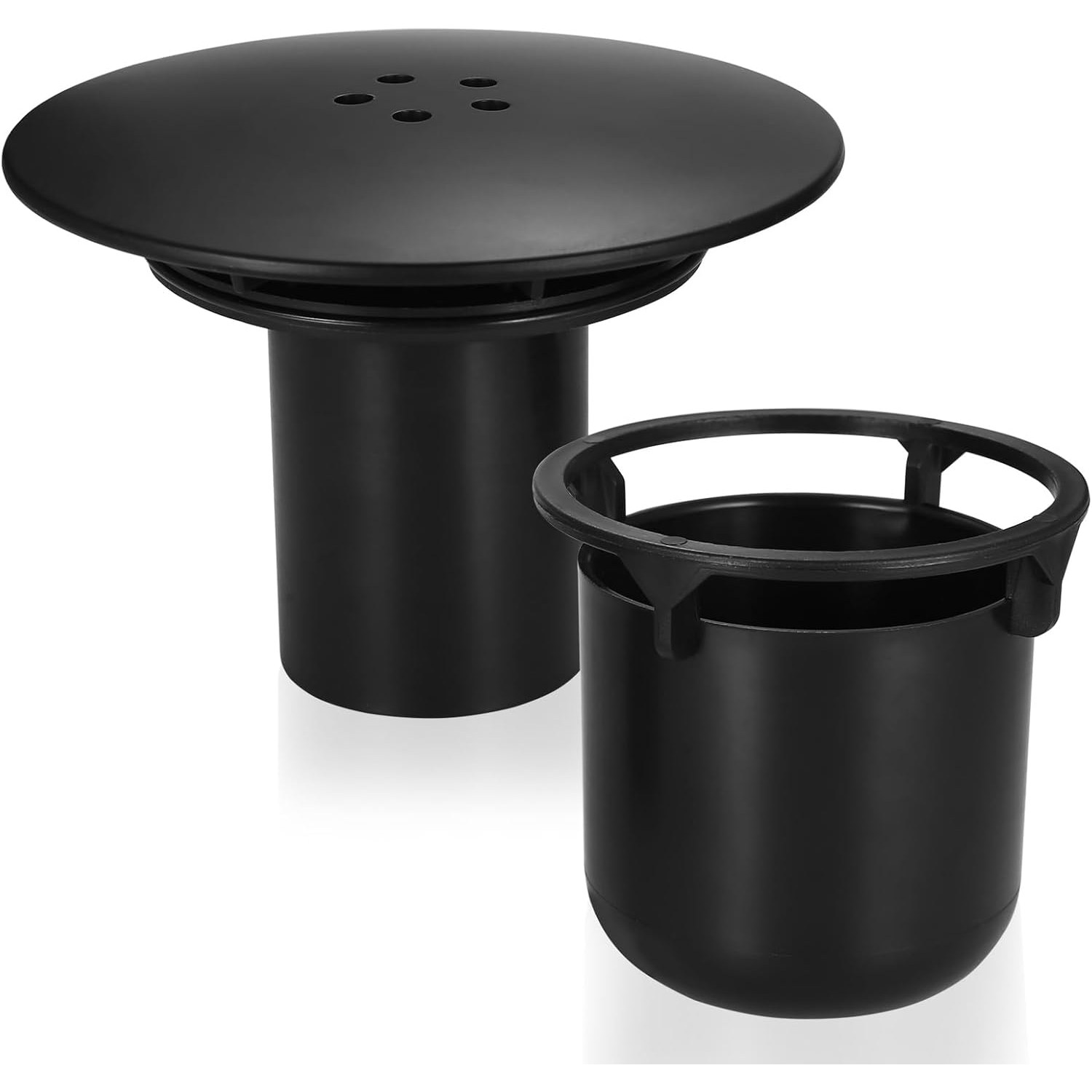
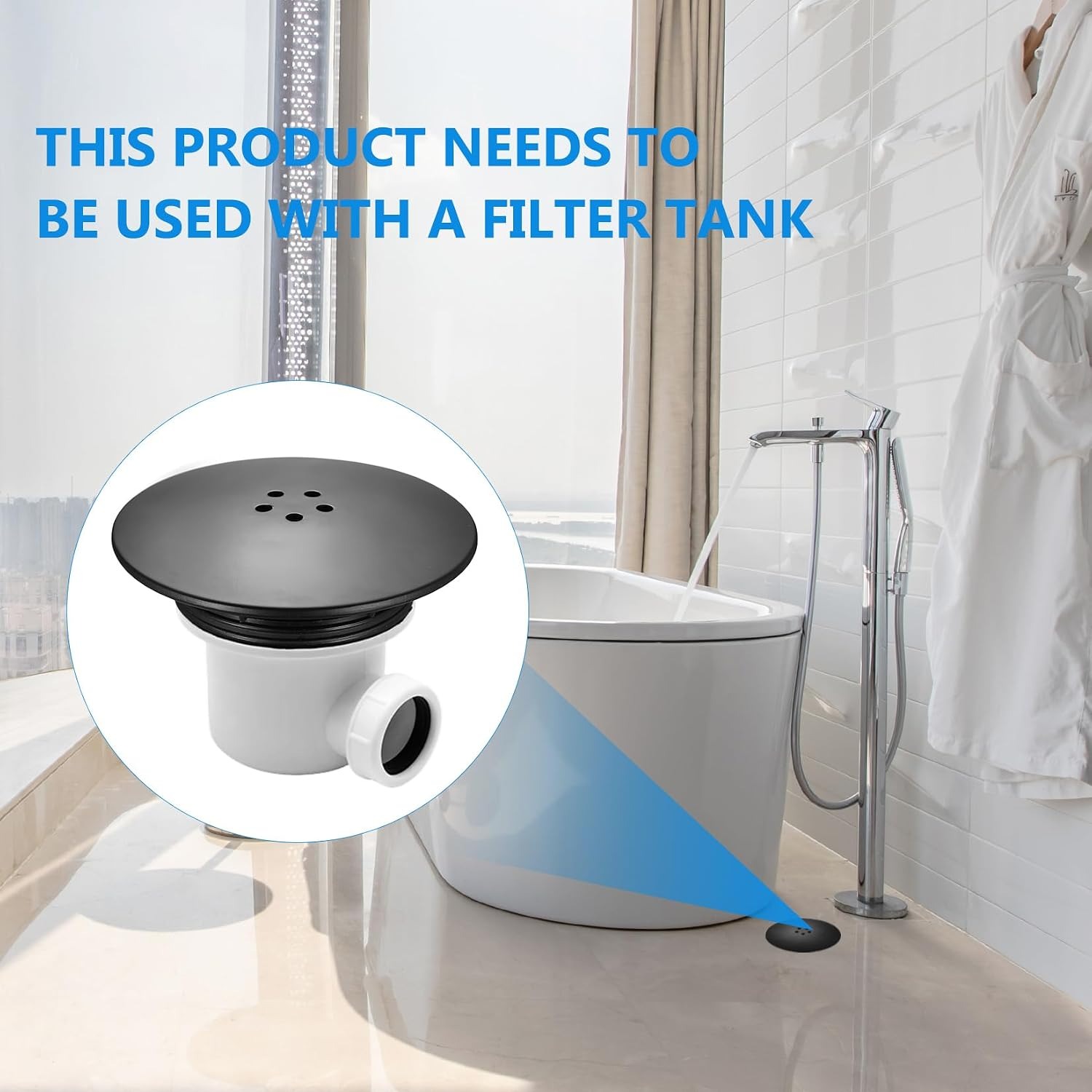
This is a replacement shower trap cover. The maker describes it for shower trays with a 90mm waste hole.
It is made of polypropylene, a common plastic often written as PP. The maker describes a PP base and a PP body. The colour is listed as black, and the finish is listed as brushed.
The top has small, closely spaced holes. The maker describes these as blocking human and pet hair and other debris while letting water drain.
One cover comes in the pack. The trap is not included. This is the visible top part only.
The weight and full dimensions are not stated by the maker, so we cannot give them here.
Two numbers to check before you buy
The maker gives two measurements, and they mean different things.
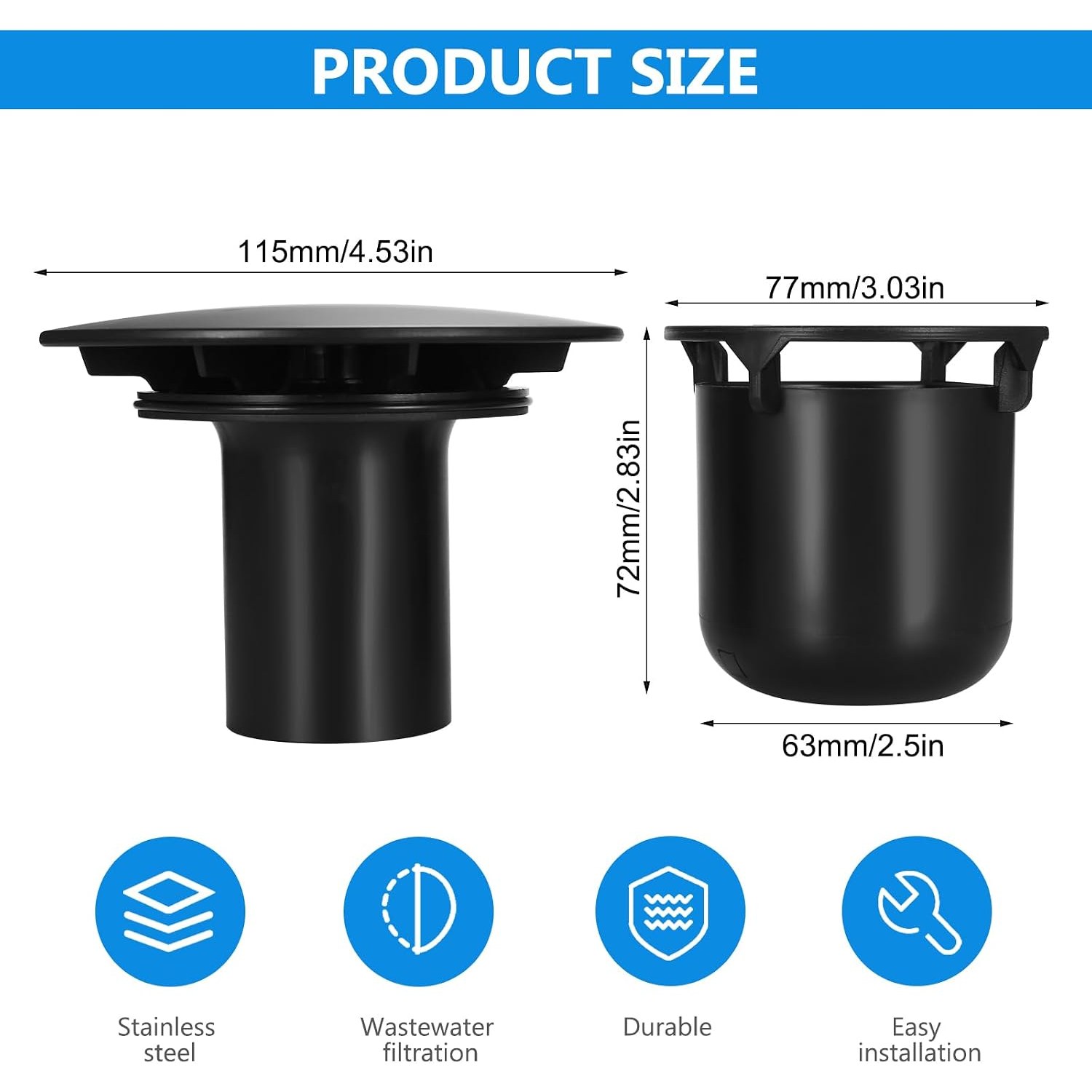
The first is 90mm. That is the diameter of the waste hole in the shower tray that the cover is made for.
The second is 115mm. The maker calls this the cover or cap length. We read it as the width across the top of the cover, the part that sits over the hole and rests on the tray. A top that is wider than the hole makes sense, since it has to overlap the edge.
So measure both things in your own shower. Lift the old cover off if it is still there. Measure straight across the hole in the tray. Then measure across the old cover. If your figures are close to 90mm and 115mm, this cover is a likely match.
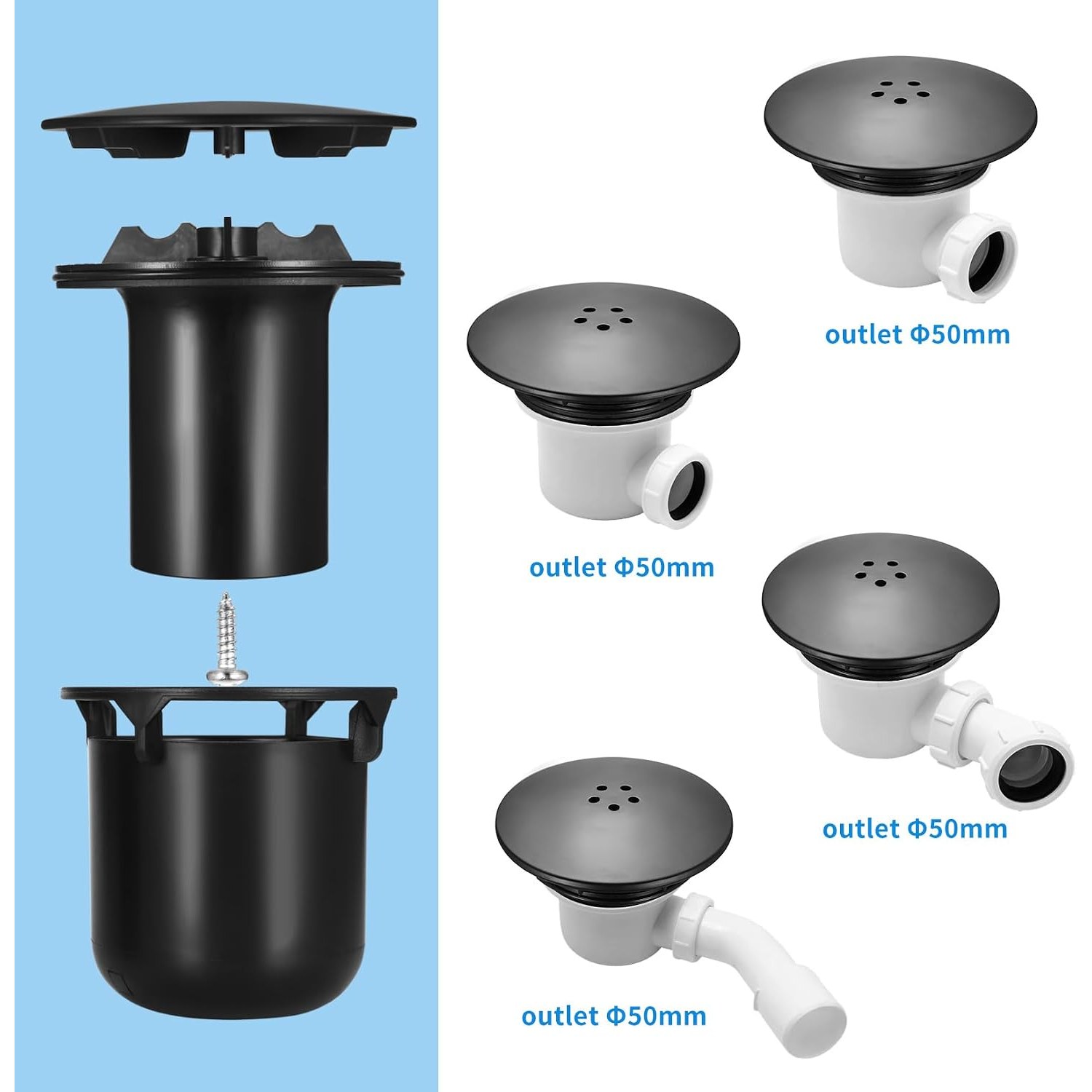
One caution is only fair. Shower traps are made by many firms, and the fitting under the cap is not the same on all of them. Some covers push in. Some sit on a centre post. Some clip. The maker of this cover does not say which trap designs it suits beyond the 90mm waste size. We cannot confirm a fit for a particular make of trap. If you can, compare the underside of your old cover with the product photos before you order.
Swapping the cover
The maker describes the job simply. Remove the old cover and put this one in its place. No tools are mentioned.
It is worth doing a little more than that while you are there.
Start by lifting the old cover out. If it is held by soap scale, try after a warm shower, when the scale is softer. Ease it up with your fingers. Do not lever against the tray with a screwdriver, because acrylic and stone resin trays both chip.
With the cover off, look into the trap. There will almost certainly be hair. Pull it out with a gloved hand or a piece of tissue and put it in the bin. Many traps have an inner cup or dip tube that lifts out for cleaning. If yours does, rinse it and put it back exactly as it was. That part holds the water seal, and the shower will smell if it is left out.
Wipe around the rim of the waste so the new cover has a clean surface to sit on. Then put the new cover in. Run the shower for a minute and watch. The water should drain freely, and the cover should sit flat without rocking.
That is the whole job. No pipework is touched, which is why this is something a householder can do.
Keeping it clean
A cover that catches hair needs the hair taken off it. That sounds obvious, yet it is the step most people skip.
Once a week, lift the cover out. Peel the hair away and bin it. Wash the cover with warm water and a soft brush or cloth. The maker describes it as easy to clean and dry with a simple scrub. Dry it and put it back.
In a home where several people with long hair use the same shower, do it every few days. It takes under a minute, and it is far less work than clearing a blocked trap.
Because the cover is polypropylene, there is no metal in it to rust. It can still collect soap scale and limescale, which shows up more on a dark surface. Regular washing keeps on top of that. Avoid harsh scourers, which can mark the finish.
We do not recommend chemical drain cleaners for a slow shower. Clearing the hair by hand is safer and usually more effective.
When the cover is not the problem
A new cover fixes a broken or missing cover. It does not fix everything.
If the shower is still slow after you have cleaned the trap, the blockage is further along the waste pipe. A plastic hair tool or a slim drain brush is a sensible next step.
If there is a smell, the water seal in the trap may have dried out or the inner part may be missing. Running the shower for a minute refills the seal.
If there is water staining on the ceiling below, or the tray moves when you stand in it, stop. That points to a leak at the trap or the waste connection. Replacing or refitting a shower trap means working on fixed pipework. That is a job for a qualified plumber, and the Irish Building Regulations apply to drainage work.
And if drains across the house are backing up together, the problem is not in your shower at all. A blockage in the public sewer is a matter for Uisce Éireann or your local authority.
A note on standing on it
The maker does not state whether this cover is made to take a person's full weight. Plastic covers in shower trays do get stepped on in normal use. Even so, it is sensible to avoid standing squarely on the waste, with this cover or any other.
The short version
A shower trap cover hides the waste hole and holds back hair. When it cracks or goes missing, hair goes straight into the trap and blockages follow.
This replacement is for shower trays with a 90mm waste hole. The maker gives the cover or cap size as 115mm. It is polypropylene, listed as black with a brushed finish, and one comes in the pack. The trap is not included.
Measure your waste hole and your old cover first. Trap fittings vary, so we cannot confirm a fit for a particular make. Swap the cover by hand, clean it weekly, and call a qualified plumber if the trap itself leaks or needs replacing.