
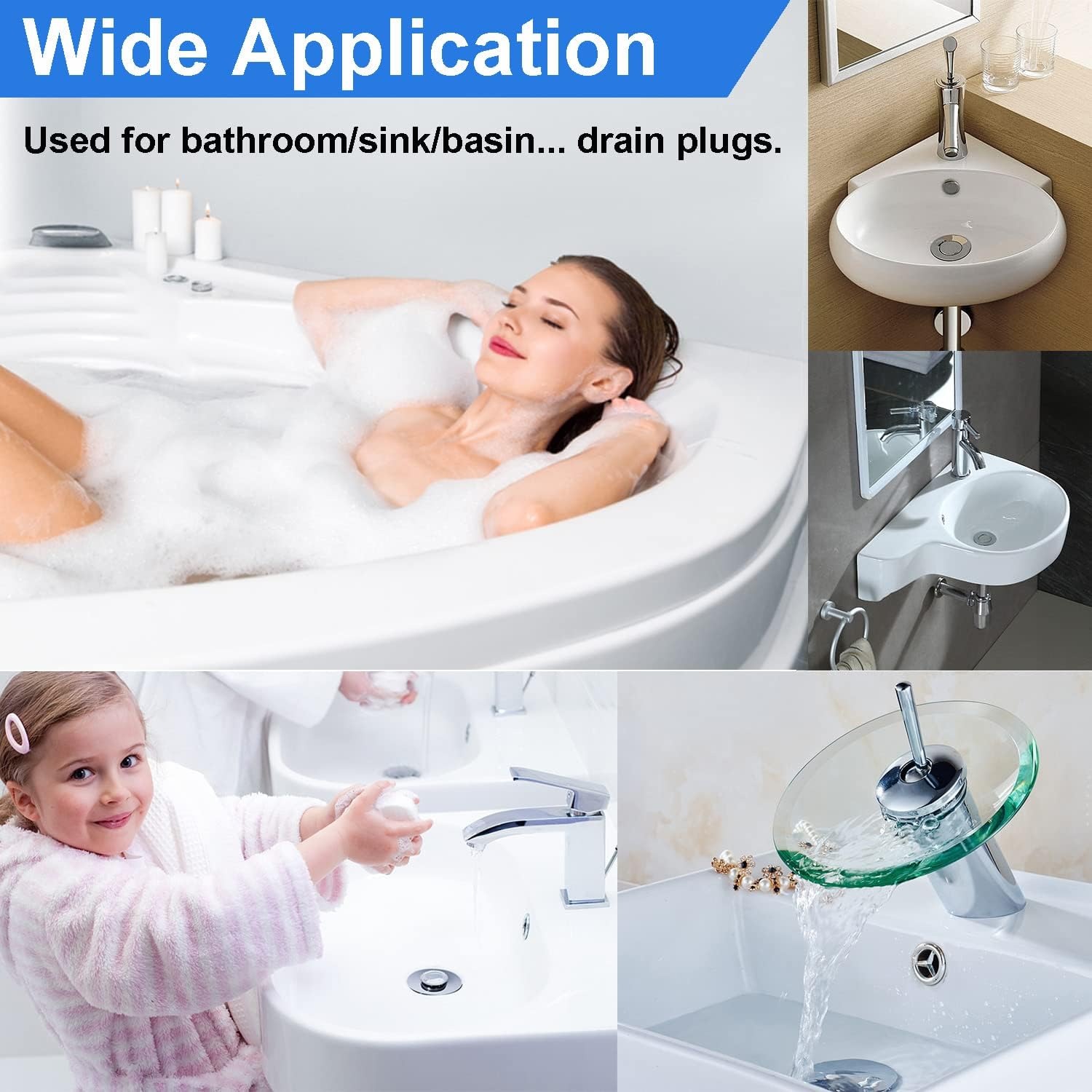
The complete guide
How to Choose a Pop Up Basin Plug That Actually Seals
The small part that causes the biggest annoyance
A basin plug is one of those things nobody thinks about until it fails. Then it becomes the most irritating object in the house. The water drains away while you are shaving. The chain snaps and you are left poking a rubber disc with a fingertip. Or the pop up lever behind the tap loses its grip on the linkage underneath and the stopper sits permanently half open, holding neither water nor your patience.
Underneath that, a second problem builds quietly. Hair and soap scum slide past the loose stopper and start lining the pipe. Weeks later the basin drains like treacle, and the fix involves a bucket, a towel and unscrewing the trap.
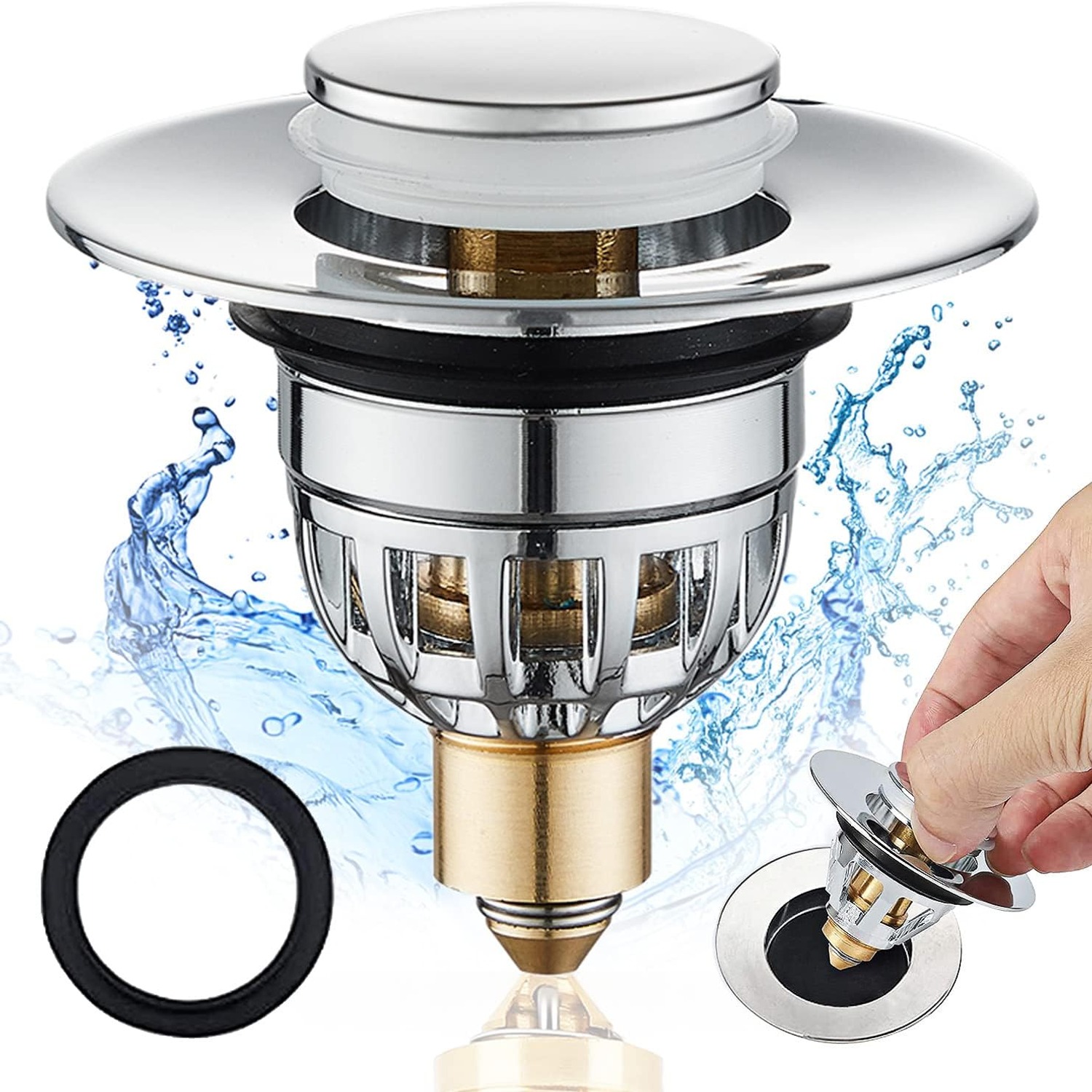
A push type sink plug with a built-in strainer deals with both problems at once. It gives you a clean, reliable seal when you want the basin full, and it puts a basket in the way of everything that would otherwise go down the pipe.
How a bounce plug works
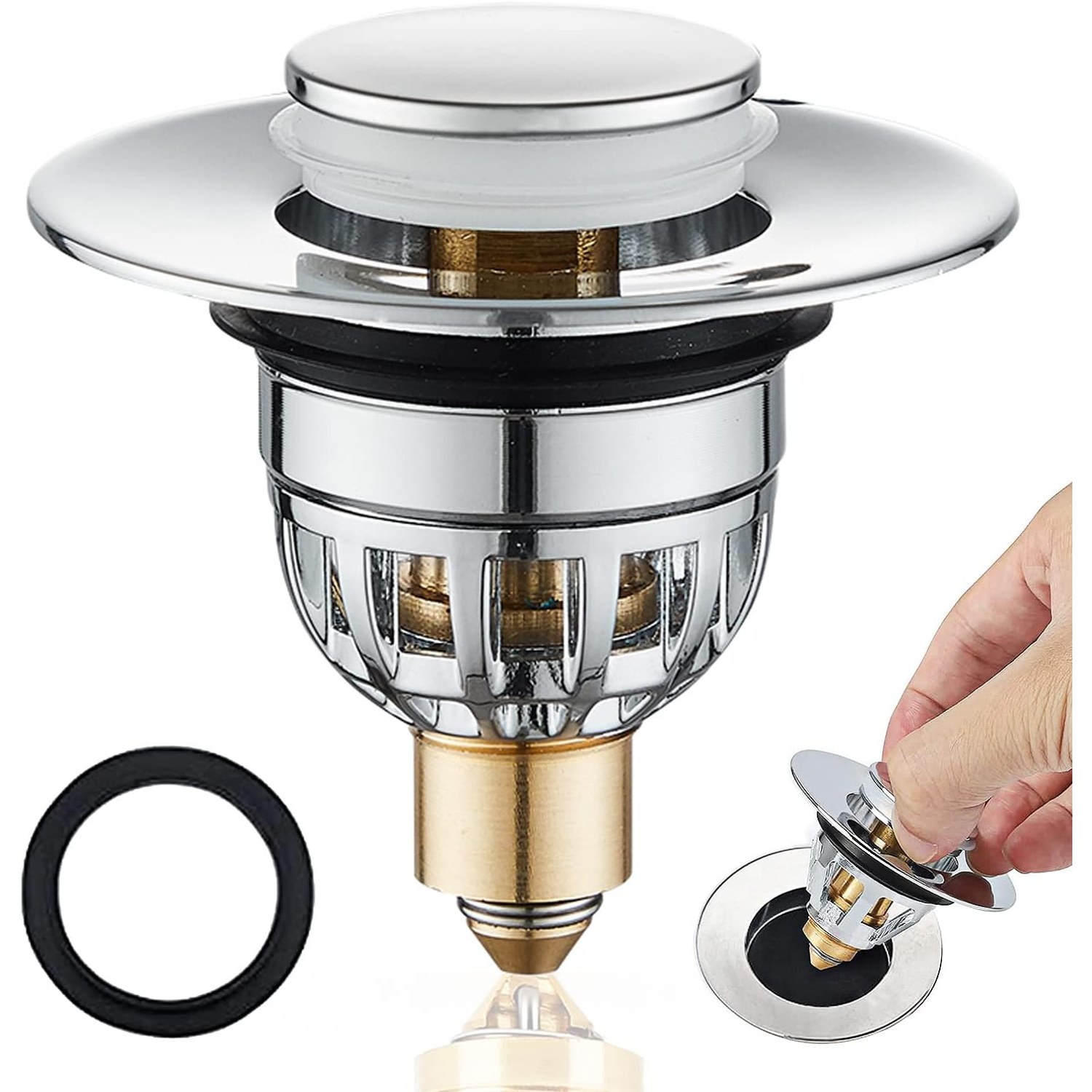
The mechanism has been around for years and it is refreshingly simple. Inside the body sits a spring and a cam, usually made of brass because brass does not corrode and holds its shape in constant moisture. Press the top cover and the cam locks the cover down. Press it again and the cam releases, the spring pushes the cover up a few millimetres, and water runs away around the raised rim.
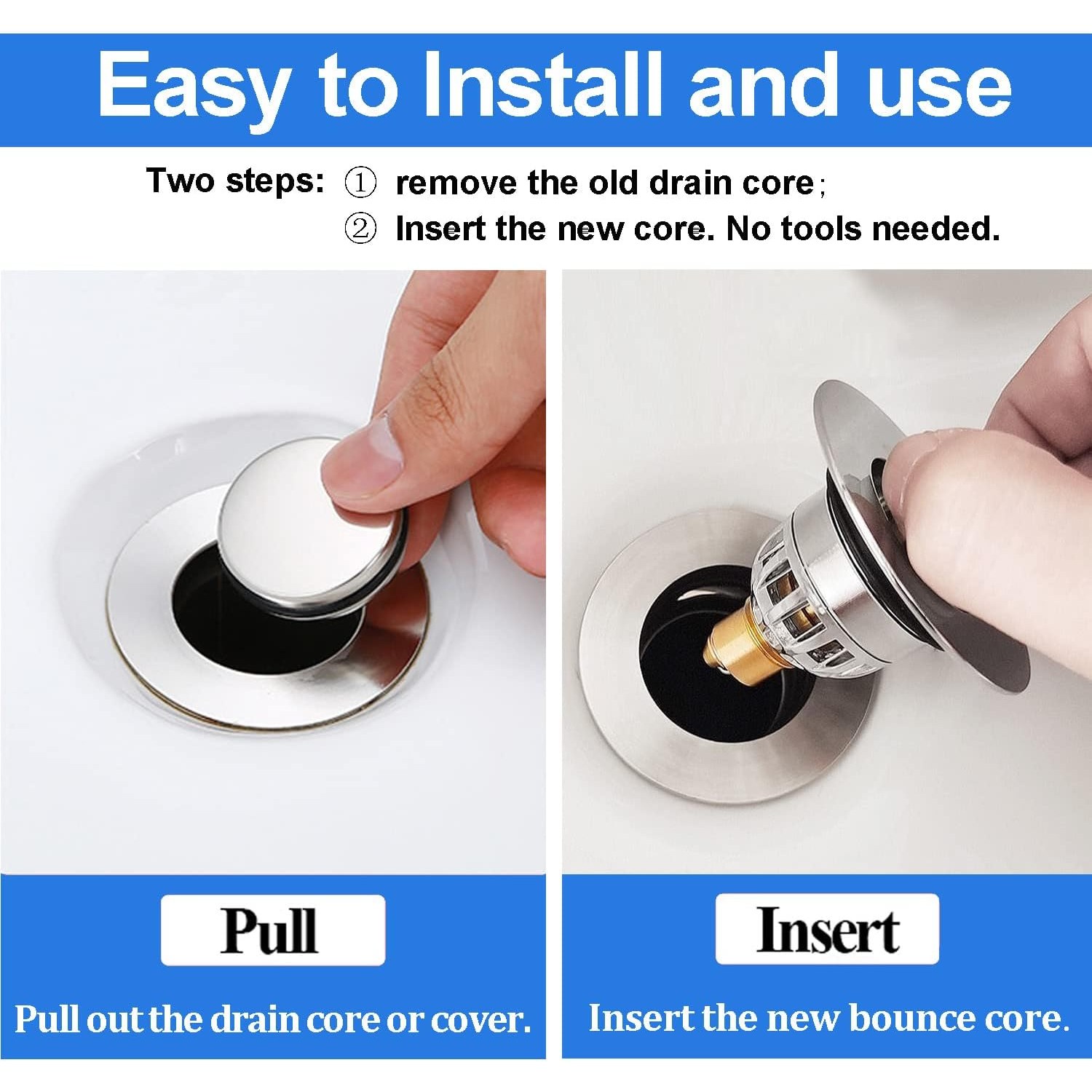
There is nothing on the outside of the basin. No chain, no knob behind the tap, no rod and linkage hidden under the sink waiting to seize. That matters because the hidden linkage is the usual failure point on an old pop up waste. When it goes, most people end up replacing the entire waste assembly, which means disconnecting the trap and resealing the basin. A drop-in core avoids all of it.
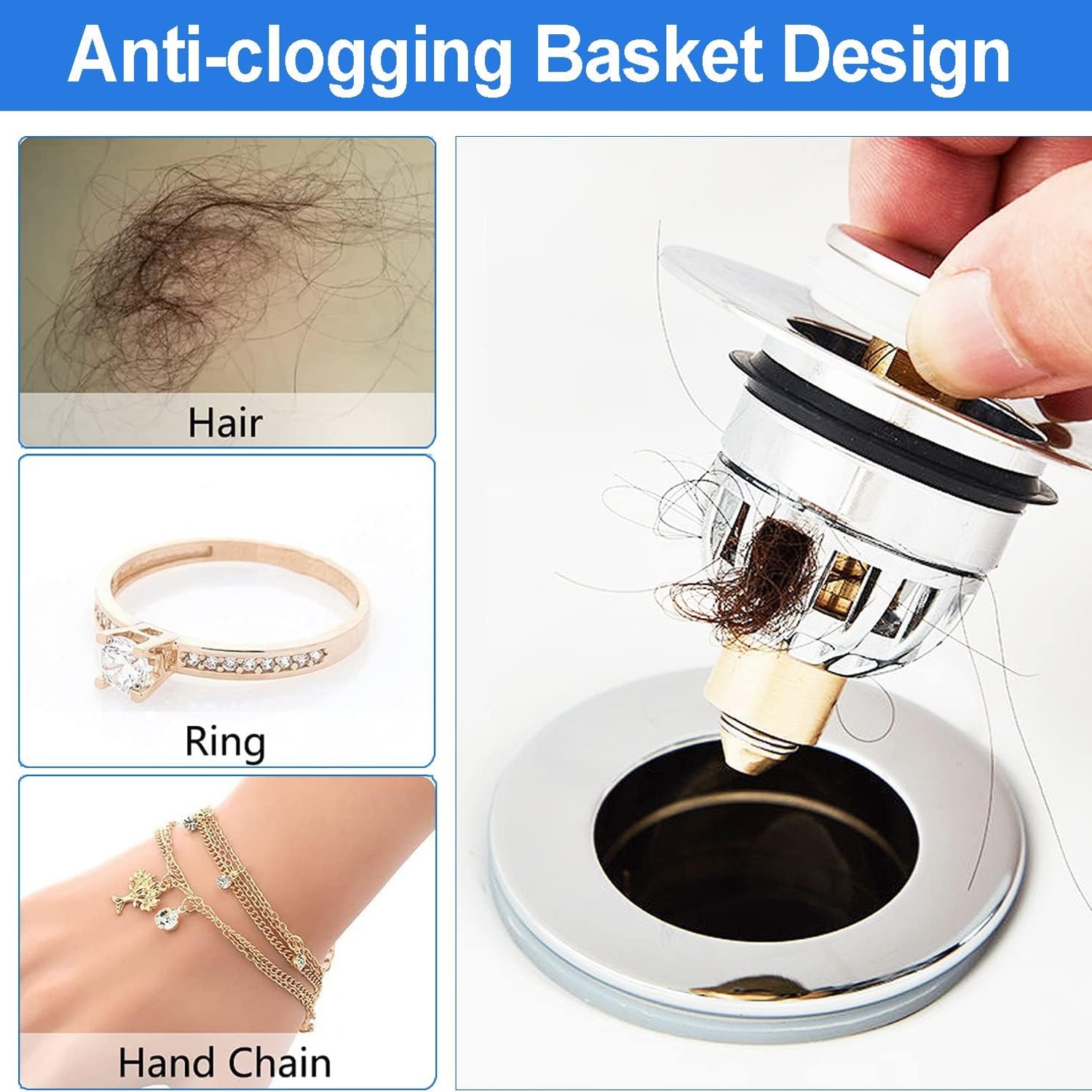
This particular unit adds a stainless steel filter basket under the cover. So you get two modes from one press. Cover down holds water. Cover up drains water through the basket, which keeps hair and debris out of the pipework.
Getting the size right
This is the only part worth slowing down for. Drain holes vary, and a plug that is close but not quite right will either sit proud or fail to seal.
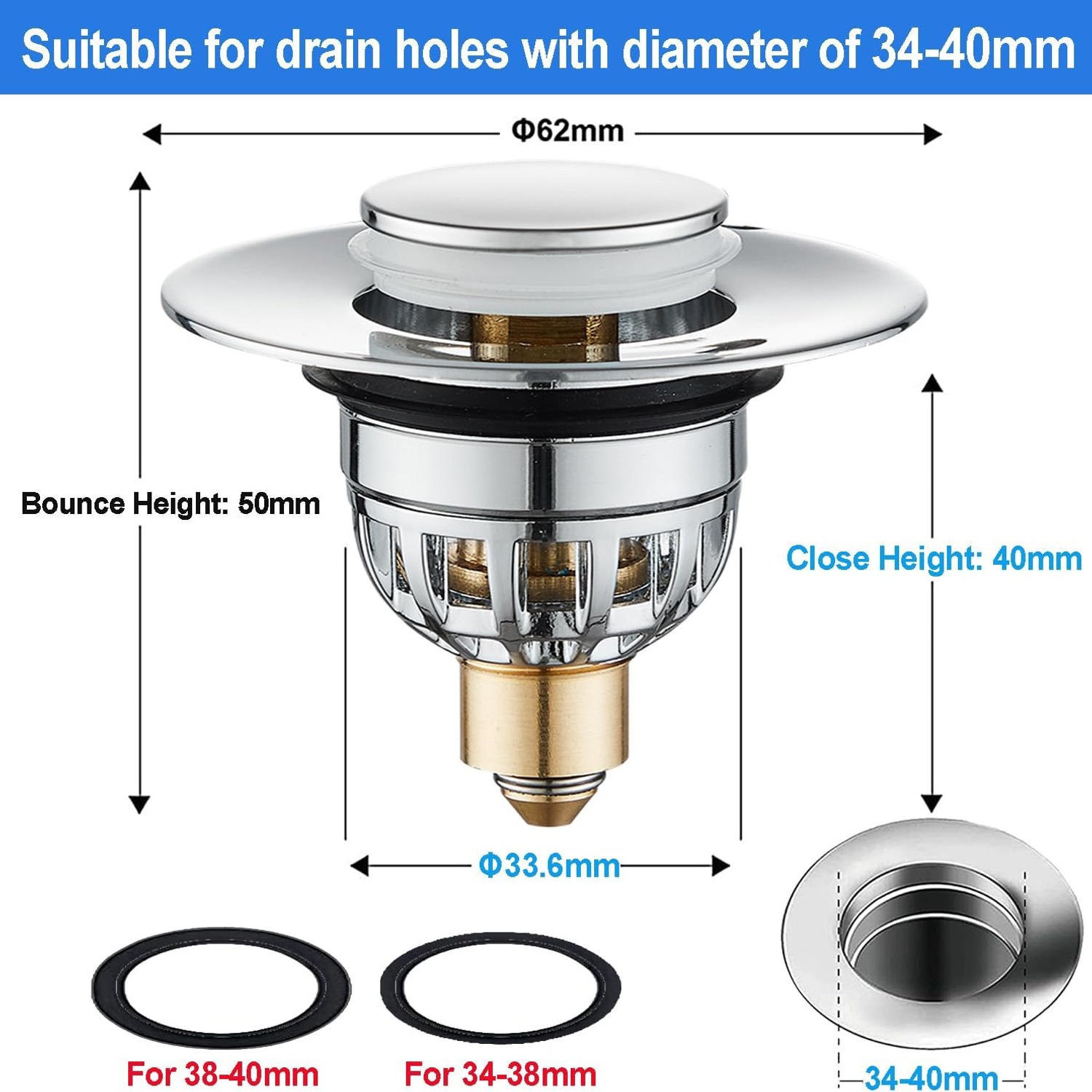
This plug fits drain holes between 34mm and 40mm in diameter. The strainer itself has an inner diameter of 33.5mm, and the unit measures 34mm wide by 50mm high.
To measure, take the old plug or drainer core out first. A lot of people measure with the old part still in place and get a reading that is a few millimetres off. With the opening clear, lay a ruler or tape across the inside at the widest point and read the number. If it lands anywhere from 34 to 40, you are fine.
Also glance at the depth. The unit is 50mm tall, so there needs to be that much clear space in the waste below the basin surface. In the vast majority of standard basins there is plenty.
One more thing. Kitchen sinks often use a much larger waste opening, commonly around 90mm. If you are hoping to use this as a kitchen sink pop up plug, measure first rather than assume.
Who this suits
Renters get a lot out of a drop-in plug. You are not altering the plumbing, you are not drilling anything, and when you move out you can lift it back out and take it with you. Nothing to explain to a landlord.
People with long hair in the house are the other obvious group. If you have ever pulled a matted grey rope out of a trap, you know why a basket at the top of the drain is worth having. Catching debris where you can see it beats dealing with it where you cannot.
It also suits anyone doing a cheap bathroom refresh. New taps and a new plug can lift a tired basin for very little outlay, and a brushed silver cover looks a great deal better than a yellowed rubber stopper on a kinked chain.
What to look for in materials
Plenty of cheap stoppers are plastic with a thin chrome coating. They look fine on day one. Six months in, the coating flakes at the edge, the plastic goes chalky, and the seal hardens.
The things worth checking on any basin waste plug are the mechanism metal, the cover metal and the seal material. Brass for the bounce device is what you want, because it takes the repeated spring load without corroding. Stainless steel for the cover and basket means no rust streaks and a surface that cleans with a cloth. Silicone or good rubber for the seal keeps water where it belongs.
This plug uses pure brass for the bounce device and stainless steel for the cover and basket, with silicone sealing parts. An anti-slip rubber pad and a rubber ring provide the double seal against the waste. A spare O-ring comes in the box, which is a sensible touch because the seal is always the first component to age.
Fitting it
Clear the old core out of the waste. Depending on your basin it will either lift straight out or unscrew. Wipe around the inside of the waste with a cloth to lift off any old grease, limescale or sealant residue, because grit under the seal is the single most common cause of a slow seep.
Drop the new plug in and press it down until it seats. Run the tap, fill the basin a little, and watch the water line for a minute. If it holds, you are done. If you see a slow drop, pull the plug, clean both surfaces again and refit. If it still seeps, swap in the spare O-ring.
The whole job is usually finished in under five minutes.
Keeping it working
The maintenance routine is short. Lift the basket out every week or two, tip it into the bin and rinse it under the tap. That single habit is what keeps the drain flowing and the plug sealing.
Clean the cover with warm soapy water and a soft cloth, then dry it so you do not get water spots. Leave the bleach, scouring powder and steel wool for other jobs, as all three will mark the finish over time.
Avoid pouring strong chemical drain unblockers through it. They attack seals and dull metal. If you are consistently emptying the basket, you should not need them anyway.
If, after a year or two, the plug starts holding water less reliably, it is almost always the O-ring rather than the mechanism. Pull the plug, fit the spare, and it is back to new.
The short version
A basin plug does two jobs. It holds water when you want it, and it keeps rubbish out of your pipes. Most old stoppers do the first badly and the second not at all.
A push type plug with a brass bounce device, a stainless steel cover and a removable filter basket handles both. It drops into an existing waste with no tools, which means no plumber and no plumbing work.
Measure your drain opening first. If it reads between 34mm and 40mm, this one fits. Everything after that is a two-minute swap and a basket you rinse now and then.